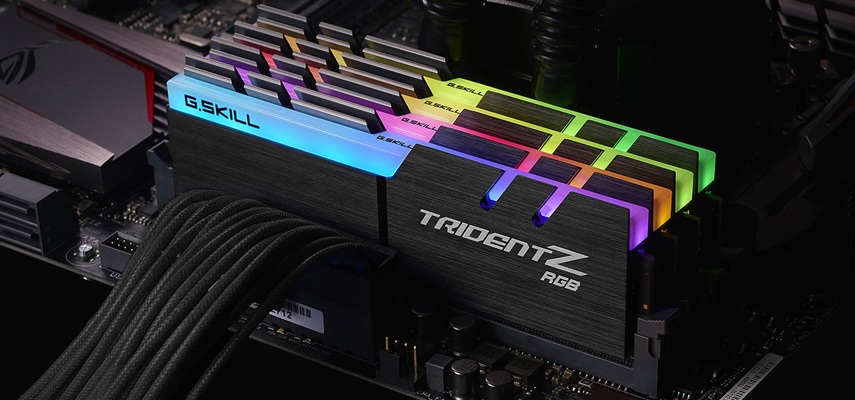
Every business accumulates outdated IT hardware over time, and RAM modules often top that list. Once systems are upgraded or replaced, these components can either become e-waste or an opportunity for value recovery. Yet, companies often overlook how crucial the process of resale is and how many pitfalls await those who rush through it.
Taking the time to plan and execute a structured approach can make the difference between a profitable recovery and a costly oversight. When firms decide to sell used RAM, they must approach the process with precision and an understanding of what buyers expect in a competitive secondary market.
Poor Evaluation of Memory Specifications
A frequent mistake involves failing to correctly assess the specifications of the RAM. Businesses often rely on rough estimates instead of documenting each module’s capacity, speed, and generation. Buyers in the secondary market are meticulous about compatibility, and even minor errors in listing details can lead to disputes or reduced interest.
To prevent this, organizations should inventory all components carefully. Labeling RAM modules by make, model, and capacity ensures transparency. This process may seem tedious, but it builds trust with resellers and bulk buyers who rely on accuracy before making a purchase.
Neglecting Proper Testing and Certification
Many companies assume that if the RAM was functioning before removal, it remains in perfect condition. That assumption often leads to failed transactions or rejected lots. Every module should go through diagnostic testing to confirm its performance and stability.
Why Testing Matters
- Ensures Reliability: Verified modules sell faster and command better prices.
- Builds Reputation: A consistent record of tested hardware attracts repeat buyers.
- Reduces Returns: Testing eliminates avoidable issues that can damage a company’s credibility.
Using certified equipment and reputable testing software gives buyers confidence that the modules meet operational standards. Companies that skip this step risk losing both revenue and trust.
Ignoring Data Security and Compliance
Although RAM typically does not store data long-term, certain enterprise systems use specialized configurations that may temporarily hold sensitive information. Overlooking this detail can lead to compliance breaches. Regulations around IT asset disposal and resale require strict data sanitization procedures for any hardware leaving corporate facilities.
Partnering with certified IT asset disposition (ITAD) providers ensures compliance with standards such as R2v3 and e-Stewards. These partners follow structured processes to securely manage equipment while maximizing recovery value.
Overlooking Partner Expertise
Companies often choose not to partner with IT asset recovery and remarketing firms. These teams specialize in handling everything from secure data removal to certified testing and environmentally responsible recycling. Partnering with professionals ensures every step, from assessment to final sale, is handled efficiently and ethically.
A reliable ITAD partner simplifies the process while protecting data, ensuring compliance, and returning the highest possible value to the organization. Businesses that invest in these services recover more and face fewer risks in resale transactions.
Setting Unrealistic Price Expectations
One of the most common frustrations comes from overvaluing equipment. RAM prices fluctuate based on supply, demand, and generational relevance. Modules that were once premium may lose value quickly once new technology emerges. Conducting a market analysis helps establish fair expectations.
Professional resellers track market movements and can advise on ideal selling windows. Accepting expert pricing recommendations avoids prolonged listings and missed opportunities to sell used RAM while demand remains strong.
Selling used RAM modules should never be treated as a casual clearance task. Each stage, from evaluation to packaging, plays a key role in determining overall returns. Accurate documentation, compliance awareness, professional testing, and realistic pricing together create a smooth and profitable resale experience. Businesses that approach the process strategically can transform surplus hardware into valuable assets instead of letting it gather dust on storage shelves.