










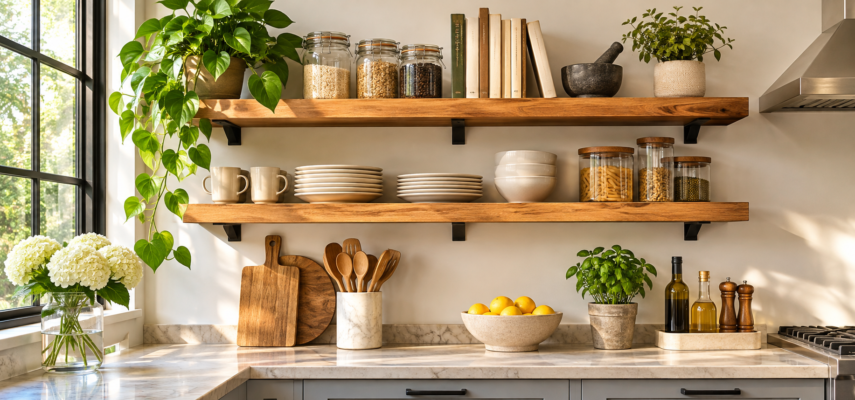

Creating an organized home is not always about having more space. Often, it is about making better use of the space already available. From compact apartments to spacious family homes, effective storage solutions can make everyday living more comfortable, reduce clutter, and improve room functionality. One of the most practical ways to achieve this is through well-designed shelving.
Heavy-duty shelves offer more than a convenient place to store belongings. They provide dependable support for heavier household items while creating opportunities to use otherwise overlooked wall space. With the right materials, placement, and design, shelving can become an integral part of a home’s interior rather than simply another storage fixture.
Rethinking the Way We Use Wall Space
Floor space is valuable, particularly in smaller homes where furniture and everyday belongings can quickly make rooms feel crowded. Traditional storage furniture, such as cabinets, bookcases, and freestanding shelving units, can take up considerable room. Wall-mounted shelves offer an alternative by using vertical space.
Installing shelves above desks, countertops, sofas, and other furniture creates additional storage without introducing another bulky piece of furniture. This approach can help keep walkways open and make rooms feel less congested.
The key is to consider which areas of a room are currently underused. An empty wall in a home office could become a practical storage area for books and reference materials. A narrow kitchen wall might accommodate shelves for cookware and frequently used ingredients. Even small spaces, such as hallways and laundry rooms, can benefit from carefully positioned shelving.
Making better use of vertical space also encourages more thoughtful organization. Instead of letting belongings pile up on countertops and other surfaces, homeowners can give everyday items designated places.
Why Heavy-Duty Shelves Make a Difference
Not all shelving is designed to support the same weight. Lightweight decorative shelves suit small ornaments, picture frames, and other relatively light objects. However, storing heavier belongings requires a more substantial solution.
Heavy-duty shelves are built with stronger materials, thicker shelf boards, and mounting systems that can support greater loads when installed correctly. They are particularly useful for storing hardcover books, kitchen equipment, ceramic dishware, storage containers, and other household essentials.
Construction and mounting hardware are important considerations. A sturdy wooden shelf paired with appropriately rated brackets can provide a reliable storage surface while maintaining an attractive appearance. Some designs use visible metal brackets, while floating shelves incorporate concealed support systems for a cleaner, more streamlined finish.
Solid hardwood is another popular choice. Materials such as oak and mahogany offer durability and natural character, making them suitable for interiors where storage needs to complement the overall design.
When selecting shelving, homeowners should always check the manufacturer’s stated weight capacity and installation requirements. The actual load a shelf can support depends on its dimensions, bracket design, wall construction, and fixing method.
Creating More Functional Kitchens
Kitchens are among the busiest areas of a home, and efficient storage can make a noticeable difference to everyday routines. Countertops often become crowded with appliances, utensils, ingredients, and cookware, leaving limited room for food preparation.
Heavy-duty wall shelves can help by providing additional storage above work surfaces. Larger shelves can accommodate heavier kitchen essentials, including stacks of plates, mixing bowls, cookware, and jars.
Open shelving also makes frequently used items easier to access. Instead of opening several cupboards to find everyday essentials, homeowners can keep selected items within easy reach.
However, practical placement matters. Shelves should be positioned at a comfortable height, away from areas where they might interfere with cooking activities. Items used regularly should be accessible, while heavier objects should be stored securely and not placed precariously near shelf edges.
For a cohesive appearance, consider matching shelf materials and finishes with existing cabinetry, countertops, or other kitchen features.
Making Home Offices More Organized
Home offices require storage that supports productivity without creating unnecessary distractions. Books, folders, stationery, electronic accessories, and work equipment can quickly overwhelm a desk without a dedicated storage system.
Wall-mounted heavy-duty shelves offer an effective way to organize these items while keeping the main work surface clear. A long shelf above a desk can accommodate reference books, storage boxes, and office supplies, while smaller shelves can separate decorative items from everyday essentials.
Shelving can also help establish distinct storage zones. For example, one section might hold professional documents, another could accommodate books, and a third might be reserved for technology accessories.
For home offices with limited floor space, this arrangement can be particularly useful. It lets homeowners add substantial storage capacity without sacrificing room for a desk or comfortable seating.
Using Shelving to Improve Living Room Storage
Living rooms often need to balance practical storage with visual appeal. They accommodate entertainment equipment, books, decorative accessories, family photographs, and personal collections, all of which can contribute to clutter when poorly organized.
Heavy-duty floating shelves offer a way to display and store these items without relying entirely on large entertainment units or bookcases.
A pair of shelves positioned beside a television can accommodate decorative objects and smaller accessories, while a longer shelf above a sofa can create an attractive display area. Corner shelving can also make use of spaces that might otherwise remain empty.
The choice of material and finish influences the overall effect. Natural wood introduces warmth and texture, while darker finishes can complement contemporary or industrial-inspired interiors. Floating designs create a relatively understated appearance, allowing displayed objects and surrounding architectural features to remain prominent.
For homeowners exploring different options, collections such as Nook Woodworking heavy duty shelves show how solid wood construction and practical mounting systems can combine to create functional, attractive storage.
Choosing the Right Shelves for Each Room
Successful shelving begins with understanding what needs to be stored. A shelf intended for lightweight decorative accessories has different requirements from one expected to support a substantial collection of books or kitchen equipment.
Before purchasing, consider the following factors:
- Weight capacity: Check the manufacturer’s specifications and choose shelving designed to support the intended load.
- Dimensions: Measure the available wall space and determine the appropriate shelf length, depth, and thickness.
- Materials: Consider solid wood, metal, and other materials based on durability, maintenance, and interior style.
- Bracket design: Concealed brackets offer a streamlined appearance, while visible brackets can provide additional support for certain applications.
- Accessibility: Position shelves based on how often their contents will be used.
It is equally important to consider the wall itself. Heavy-duty shelving must be installed with hardware suited to the wall construction. For many wall-mounted systems, securing brackets directly into wall studs provides the strongest support. Masonry walls require appropriate masonry fixings, while drywall installations must follow the manufacturer’s specific recommendations.
Professional installation may be worthwhile for particularly heavy loads or unfamiliar wall structures.
Keeping Storage Practical and Clutter-Free
Adding shelves does not automatically create an organized home. The way items are arranged is just as important as the storage itself.
A useful starting point is to group belongings by purpose. Kitchen essentials should remain together, office supplies should have designated areas, and decorative accessories should be arranged with enough space to avoid overcrowding.
Storage boxes and baskets can also help contain smaller items, particularly in home offices, bedrooms, and laundry rooms. Meanwhile, leaving some shelf space empty creates visual breathing room and makes it easier to accommodate new belongings.
Regularly reviewing stored items helps prevent shelves from becoming another place where unused possessions accumulate. Keeping only useful or meaningful belongings makes storage easier to maintain over time.
Making Better Use of Every Inch
A well-organized home does not necessarily require extensive renovations or expensive storage furniture. Sometimes, relatively simple improvements can make the greatest difference.
Heavy-duty shelves offer a practical way to reclaim unused wall space, support everyday belongings, and create more functional rooms. Their versatility makes them suitable for kitchens, living rooms, home offices, bedrooms, and other areas where additional storage is needed.
By choosing appropriate materials, considering weight requirements, and planning shelf placement carefully, homeowners can create storage solutions that work with their existing interiors. Ultimately, making every inch count is about creating a home where everything has a place and everyday spaces are easier to use, enjoy, and maintain.












