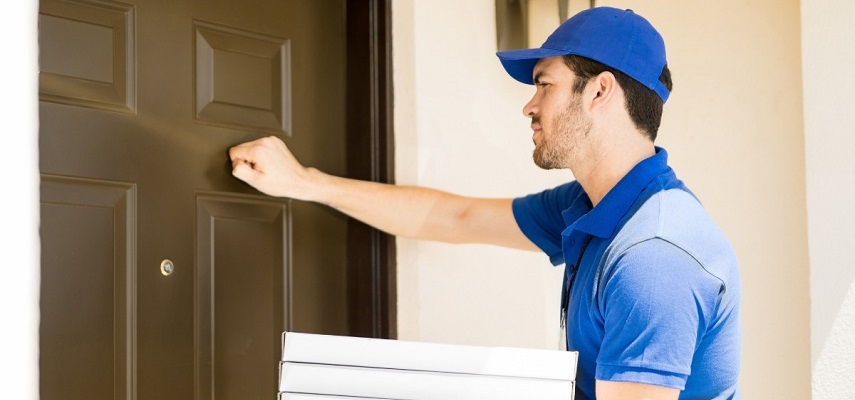
Last-mile delivery is the most complex segment of the logistics chain. It involves moving goods from a distribution hub to the final destination, often under strict time constraints and unpredictable conditions. Urban congestion, fluctuating demand, and customer expectations for real-time updates make this stage difficult to manage efficiently.
Smart technology addresses these challenges by introducing automation, real-time data processing, and system integration. Instead of relying on static planning and manual coordination, businesses can operate dynamically, adjusting to changes as they occur.
The focus is not just speed. It is about building a system that balances cost, reliability, and scalability.
Role of Smart Dispatch and Routing Systems
Dispatch and routing are the core of last-mile operations. Traditional methods rely on manual planning, which cannot handle multiple variables at scale.
Smart systems use algorithms to process inputs such as delivery windows, traffic conditions, and vehicle capacity. Routes are generated based on efficiency rather than fixed assumptions.
Platforms offering the best courier software integrate dispatching and routing into a single workflow. This allows businesses to assign tasks and optimize routes simultaneously.
- Dynamic route generation: Adjusts delivery paths in real time
- Automated dispatching: Assigns jobs based on proximity and availability
- Constraint-based planning: Accounts for time windows and vehicle limits
These systems reduce manual workload and improve consistency across operations.
Real-Time Tracking and Operational Visibility
Visibility is essential for managing last-mile delivery. Without accurate data, delays cannot be identified or corrected in time.
Smart tracking systems use GPS and telematics to provide continuous updates. Managers can monitor vehicle locations, delivery status, and route adherence.
This visibility enables proactive management. If a delay occurs, routes can be adjusted or resources reassigned immediately.
Customer-facing tracking also improves service quality. Real-time updates reduce uncertainty and lower the volume of support inquiries.
Operational transparency creates accountability. Drivers and dispatchers work within a system where performance is measurable.
Data Integration and Workflow Automation
Last-mile delivery involves multiple systems, including order management, inventory, and customer databases. Without integration, data becomes fragmented.
Smart technology connects these systems through APIs. This ensures that information flows seamlessly from order placement to delivery completion.
Automation plays a key role. Repetitive tasks such as order assignment, route updates, and status notifications are handled by the system.
- Order synchronization: Transfers data directly from sales platforms
- Automated notifications: Keeps customers informed without manual input
- Centralised dashboards: Provides a unified view of operations
Integration reduces delays and eliminates duplication of effort.
Optimizing Fleet Utilization
Fleet efficiency is a major factor in last-mile performance. Underutilized vehicles increase costs, while overloaded routes reduce reliability.
Smart systems analyse demand patterns and allocate resources accordingly. Vehicles are assigned based on capacity, location, and delivery requirements.
Electric and hybrid vehicles are increasingly used in urban areas. They reduce emissions and comply with regulatory requirements while maintaining operational efficiency.
Route optimization also contributes to better utilization. By reducing unnecessary travel, businesses can complete more deliveries with fewer resources.
Enhancing Driver Performance and Coordination
Drivers are a critical component of last-mile delivery. Their efficiency directly affects service quality.
Smart technology provides drivers with mobile applications that include route guidance, task updates, and communication tools. This reduces reliance on manual instructions.
Performance data is also captured. Metrics such as delivery time, route adherence, and idle time provide insight into efficiency.
- Mobile task management: Delivers real-time instructions
- Navigation integration: Guides drivers through optimized routes
- Performance tracking: Identifies areas for improvement
Improved coordination reduces delays and ensures that drivers operate within defined parameters.
Managing Urban Delivery Constraints
Urban environments introduce specific challenges. Traffic congestion, restricted zones, and limited parking affect delivery speed.
Smart systems account for these constraints during route planning. They use real-time traffic data and historical patterns to avoid delays.
Time window management is also critical. Deliveries must be scheduled within customer availability while considering travel time variability.
Micro-distribution hubs are increasingly used to address urban challenges. These allow goods to be staged closer to delivery points, reducing travel distance.
Cost Control and Efficiency Metrics
Last-mile delivery is cost-intensive. Businesses must monitor performance to maintain profitability.
Key metrics include cost per delivery, fuel consumption, and on-time delivery rates. These indicators provide a clear view of operational efficiency.
- Cost per drop: Measures overall delivery efficiency
- Route deviation: Identifies inefficiencies in execution
- Delivery success rate: Tracks completed versus failed deliveries
Data-driven analysis allows businesses to refine operations and reduce unnecessary expenses.
Continuous monitoring ensures that systems remain effective as demand changes.
Future Trends in Smart Last-Mile Delivery
Technology in last-mile delivery continues to evolve. Artificial intelligence and machine learning are being used to improve predictive routing and demand forecasting.
Automation is expanding into areas such as autonomous vehicles and drone delivery. While still developing, these technologies have the potential to reduce labor dependency.
For entrepreneurs entering the logistics space, building a scalable cargo van business is often the first step toward participating in last-mile delivery networks.
Sustainability is also shaping the future. Businesses are adopting low-emission vehicles and optimized routes to reduce environmental impact.
Integration will become deeper. Systems will connect across supply chains, creating end-to-end visibility and control.
Conclusion
Optimizing last-mile delivery requires a structured, technology-driven approach. Smart systems replace manual processes with automated workflows and real-time decision-making.
Routing, tracking, and data integration form the foundation of efficient operations. These elements work together to reduce costs and improve service reliability.
In practice, success depends on how well these technologies are implemented and integrated. Businesses that adopt smart solutions can manage complexity more effectively and scale operations without losing control.