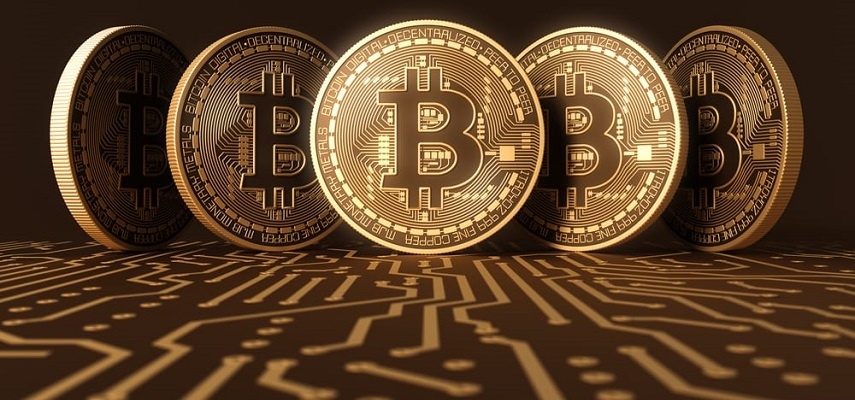
Purchasing Bitcoin can initially seem scary, with most methods requiring account creation, identity verification, and waiting periods for bank transfers to clear. These complexities and delays frustrate people wanting quick, straightforward purchases without extensive setup processes. Fortunately, several accessible alternatives exist for acquiring Bitcoin with varying levels of convenience, privacy, and cost.
1. Online Exchanges
Centralized platforms like Binance, Coinbase, and Kraken dominate the cryptocurrency exchange landscape, offering streamlined Bitcoin purchases through bank transfers or debit/credit cards. The process involves creating an account, completing Know Your Customer (KYC) verification by submitting identification documents, depositing fiat currency, and executing trades. These platforms provide user-friendly interfaces suitable for beginners. Fees typically remain lower than alternative methods, with many exchanges offering competitive rates on large transactions. However, verification can take days, bank transfers might require several business days to process, and users must share personal information, including addresses, phone numbers, and government IDs. For those comfortable with these requirements and not needing immediate access, exchanges offer cost-effective Bitcoin acquisition.
2. Peer-to-Peer Platforms
P2P marketplaces like Bisq connect buyers directly with sellers, eliminating intermediary platforms. Users negotiate terms, including price, payment method, and transaction size, with options spanning bank transfers, PayPal, Venmo, gift cards, and even cash meetups. According to CoinWire’s P2P exchange analysis, these platforms offer improved privacy and flexible payment options unavailable through traditional exchanges. This suits users who value anonymity or lack access to conventional banking services. However, P2P trading needs caution, like verifying seller reputations through ratings and completed transaction histories to prevent scams. Escrow services offered by platforms protect both parties, but users must still exercise due diligence when choosing trading partners.
3. Bitcoin ATMs
Physical Bitcoin ATMs provide the fastest, most straightforward purchase method for users who are comfortable with higher fees. These kiosks, increasingly common in convenience stores, gas stations, and shopping centers across America, allow instant cash-to-Bitcoin conversions. To use one, locate a nearby BTC ATM or crypto ATM in your area, bring cash and your smartphone with a Bitcoin wallet installed, scan your wallet’s QR code at the machine, insert bills, and receive Bitcoin within minutes. Cointelegraph’s Bitcoin ATM guide reveals these machines require minimal verification, often just a phone number for smaller transactions, making them ideal for quick purchases. Fees typically range from 7 to 15%, which is higher than exchanges but reflects the convenience and immediacy they provide.
4. Mobile Payment Apps
Popular payment apps like Cash App and PayPal have integrated Bitcoin purchasing into their existing platforms, making crypto accessible to users already comfortable with these services for everyday transactions. These apps allow recurring purchases through features like Auto Invest, accept various funding sources, including linked bank accounts and debit cards, and some support Lightning Network for faster Bitcoin transactions. However, fees can be substantial, often spread-based instead of clearly disclosed, and critically, users don’t control private keys, meaning the app technically owns the Bitcoin on your behalf. This arrangement suits casual buyers unconcerned with technical custody but contradicts cryptocurrency’s self-sovereignty principles.
Each Bitcoin acquisition method balances convenience, cost, privacy, and speed differently. Choosing the right approach depends on your priorities, whether that’s minimizing fees, maximizing privacy, or simply getting Bitcoin as quickly as possible.