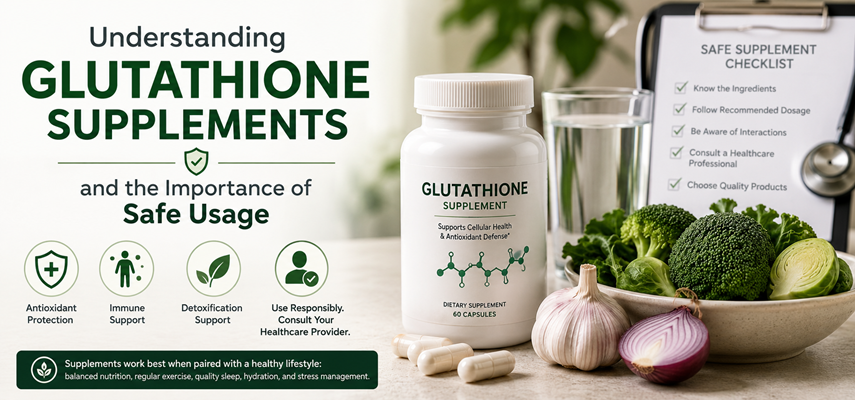
Glutathione has gained significant attention in recent years as more people explore wellness supplements that support overall health, antioxidant protection, and immune system function. Often referred to as the body’s “master antioxidant,” glutathione plays a critical role in protecting cells from oxidative stress and helping the body process toxins naturally. Because of its growing popularity, many individuals are now researching how glutathione works, its potential benefits, and the importance of using supplements responsibly.
Naturally produced in the liver, glutathione is made up of three amino acids: glutamine, glycine, and cysteine. It supports several important bodily functions, including immune response, cellular repair, and detoxification. According to the Cleveland Clinic, antioxidants like glutathione help protect cells from damage caused by free radicals, which may contribute to aging and various health conditions over time.
As interest in antioxidant therapy continues to grow, glutathione supplements are increasingly used in wellness routines focused on immune support, skin health, energy levels, and overall vitality. However, healthcare professionals often emphasize the importance of understanding proper usage guidelines before beginning any supplement regimen. Like many health products, glutathione may not be appropriate for everyone, particularly individuals with certain medical conditions, allergies, or medication interactions.
Understanding proper glutathione precautions can help individuals make more informed decisions regarding supplementation and overall wellness strategies. Reviewing safety considerations, dosage recommendations, and potential interactions with a qualified healthcare provider is an important step before adding any supplement to a daily routine.
One reason glutathione has become so widely discussed is its role in managing oxidative stress. Oxidative stress occurs when free radicals overwhelm the body’s natural defenses, potentially contributing to inflammation and cellular damage. Factors such as pollution, stress, poor diet, smoking, and aging may all influence glutathione levels within the body. Some healthcare practitioners believe maintaining a healthy antioxidant balance may support long-term wellness and recovery.
Despite its popularity, not all glutathione products are identical. Supplements are available in multiple forms, including capsules, liquids, intravenous therapies, and topical products. The effectiveness and absorption rates of these delivery methods may vary between individuals. Some people may also experience sensitivities to inactive ingredients or certain formulations, which makes professional guidance especially important.
The National Institutes of Health Office of Dietary Supplements notes that dietary supplements can interact with medications or medical conditions, reinforcing the importance of discussing supplement use with healthcare professionals. Consumers are encouraged to evaluate supplement safety carefully and avoid assuming that “natural” automatically means risk-free.
In addition, educational resources from MedlinePlus, a service of the U.S. National Library of Medicine, explain the importance of understanding supplement ingredients, potential side effects, and possible drug interactions before beginning any wellness product or nutritional supplement routine.
Another important consideration is the prevalence of unrealistic health claims often associated with trending supplements. While antioxidants play an essential role in supporting the body’s natural defenses, healthcare experts generally recommend avoiding exaggerated promises regarding rapid cures or guaranteed outcomes. Responsible supplement use should always be paired with balanced nutrition, exercise, hydration, sleep, and regular medical care.
Certain individuals may need to exercise additional caution before taking glutathione supplements. Pregnant individuals, people with chronic medical conditions, and patients taking prescription medications should consult a healthcare provider to evaluate potential risks or interactions. Professional oversight helps ensure supplements are used appropriately based on individual health needs and medical history.
In addition to supplementation, several lifestyle habits may naturally support healthy glutathione levels. Consuming foods rich in sulfur-containing compounds, such as garlic, onions, broccoli, kale, and Brussels sprouts, may help support the body’s antioxidant systems. Regular exercise, quality sleep, stress management, and reducing exposure to environmental toxins may also contribute to overall cellular health.
As consumers become increasingly proactive about preventive wellness, education remains one of the most important components of safe supplement use. Understanding the science behind antioxidants, recognizing potential limitations, and seeking reliable medical guidance can help individuals make safer and more informed healthcare decisions.
Whether someone is considering glutathione for general wellness support or exploring antioxidant supplementation for specific health goals, taking time to research credible information and understand proper safety considerations is essential. By following responsible supplementation practices and consulting qualified healthcare professionals, individuals can better support their long-term health while minimizing unnecessary risks.