
Photo by kaboompics.com from pexel.com
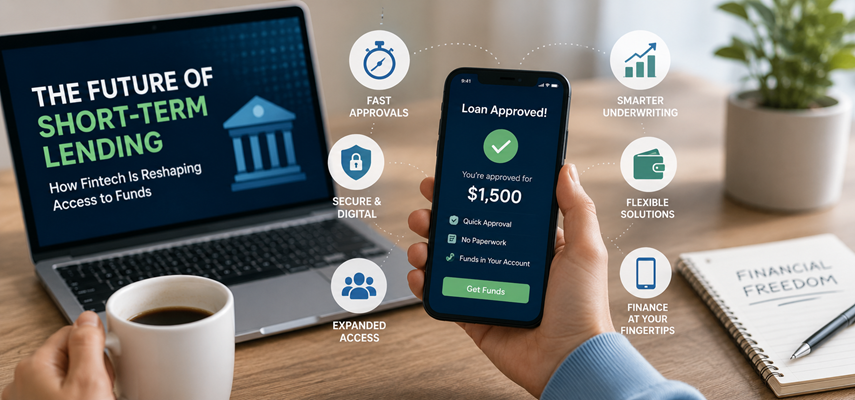
Short-term lending has changed a lot in recent years. The process is now more digital, with less paperwork and faster approvals. Technology helps both consumers and lenders handle applications more efficiently and make quicker decisions.
More people can now access short-term loans than before. This includes workers with irregular income and those with limited credit history who may have been turned away in the past. Fintech platforms are expanding financial access and changing how short-term lending works at every stage.
Alternative Data Underwriting
Traditional lending decisions have often relied heavily on credit scores and credit reports. While these tools remain important, they do not always reflect a person’s full financial situation. Many consumers pay bills on time and manage money responsibly despite having limited credit histories.
Alternative data underwriting helps fill that gap by examining details such as income, rent records, utility payments, and cash flow. This is where online lenders such as CreditNinja fit into the evolving short-term lending space. Their quick online applications, low credit support, and fast eligibility reviews can help borrowers explore options when traditional credit checks are not accessible.
The Era of Click and Approve Lending
Many consumers seeking short-term funds need access quickly, especially during unexpected financial situations. Traditional approval timelines often required several days before borrowers received a decision or funding.
Modern lending platforms reduce delays through digital verification systems, allowing bank account checks, identity verification, and application reviews to be completed within minutes. Once approved, funds may be delivered directly to a bank account or digital wallet much faster than older lending models allowed.
Embedded Finance
Financial services are no longer limited to banks and lending websites. Today, lending options are appearing inside platforms that consumers already use for work, shopping, transportation, and business management.
This approach is known as embedded finance. For example, a rideshare platform may offer cash advances to drivers, while an online marketplace may provide funding options to sellers. By placing lending tools directly within existing platforms, users can access financial support at the point where they need it most.
Peer-to-Peer Lending and New Funding Networks
Technology has also opened up new ways for borrowers and funders to connect. Peer-to-peer lending platforms allow individuals to participate in funding opportunities through digital marketplaces rather than relying entirely on traditional institutions.
These platforms can provide borrowers with additional choices while creating opportunities for more personalized lending arrangements. As digital networks expand, peer-to-peer models are likely to play a greater role in broadening access to funds and strengthening competition in the lending market.
Biometric Underwriting and Security
Biometric tools are making short-term lending faster and safer. Facial recognition, fingerprint scanning, and device behavior checks can help confirm that an applicant is who they claim to be. This can reduce the need for slow manual reviews during the application process.
Some fintech platforms also review how a person uses their device, such as typing patterns or navigation behavior. These signals can help flag possible fraud while allowing legitimate applications to move forward faster. As a result, borrowers may get quicker access to funds while lenders add another layer of protection.
Micro Lending Built for Gig Economy Workers
Many lending products were originally designed for workers with predictable pay schedules and stable monthly income. However, the growth of freelance work and gig-based employment has created demand for more flexible financial solutions.
Micro lending products are often tailored to smaller funding needs and can accommodate varying income patterns. Some repayment structures are designed around fluctuating earnings rather than fixed schedules. This flexibility can help independent workers manage temporary cash flow gaps without creating unnecessary repayment pressure during slower periods.
Greater Transparency Through Simple Pricing Models
Consumers are paying closer attention to the overall cost and structure of financial products. As a result, many fintech companies are focusing on clearer and more straightforward pricing approaches.
Some platforms use flat fees or subscription-style models that make borrowing costs easier to understand. Clear disclosures and predictable repayment terms can also help borrowers make informed decisions before accepting funds. Greater transparency also helps build trust between lenders and consumers.
Automated Repayments and Financial Management Tools
Repayment technology is becoming more sophisticated as lenders seek to reduce missed payments and improve the borrower experience. Digital tools can automate many aspects of repayment management while helping consumers stay organized.
Some platforms use automated scheduling, account monitoring, and payment reminders to support successful repayment. Others may break payments into smaller amounts that better align with cash flow patterns. These features can reduce stress and help borrowers stay current on their financial obligations.
The Next Chapter of Short-Term Lending
The future of short-term lending is being shaped by technology that makes borrowing faster and easier. New tools help lenders review applications more efficiently and give consumers more ways to get funds. These changes also create more flexible borrowing options.
Clear information and simple design are becoming more important for borrowers. People now expect financial services to be easy to understand and use. Because of these trends, short-term lending will likely become more convenient and user-friendly.