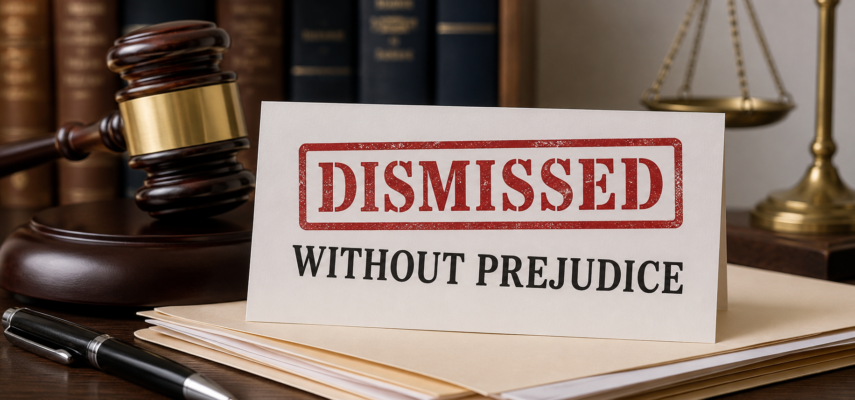
Hearing that a court has dismissed a case can sound like the end of the road. In reality, that isn’t always true. Legal terms often carry meanings that differ from what people assume, and “dismissed without prejudice” is one of the most misunderstood. If you’re involved in a legal dispute or simply trying to understand a court document, knowing what this phrase means can save you from unnecessary stress.
You may have searched “What does dismissed without prejudice mean?” after learning about it in paperwork or during a court hearing. The short answer is that the case has been dismissed, but the person who filed it may have the right to file it again later. That makes it very different from a dismissal “with prejudice,” which usually ends the matter for good.
What Does “Without Prejudice” Actually Mean?
A dismissal without prejudice means the court has closed the case without making a decision about the legal claims. The court isn’t saying the lawsuit was right or wrong. Instead, the case ends for procedural or technical reasons, while leaving the door open for another filing if the issue can be corrected.
Think of it like returning an incomplete application. You haven’t been rejected forever. You’ve simply been told to fix the problem before trying again.
Why Would a Case Be Dismissed Without Prejudice?
There are several reasons this can happen, and many have little to do with the strength of the case itself.
Some common examples include:
- Filing paperwork incorrectly
- Missing required information
- Filing in the wrong court
- Failing to properly notify the other party
- Asking the court to dismiss the case voluntarily before moving forward
In some situations, a judge may dismiss a case because a legal requirement wasn’t met. Once that issue is resolved, the plaintiff may be able to resume the process.
Does It Mean the Person Lost the Case?
That’s one of the biggest misconceptions. A dismissal without prejudice doesn’t decide who was right or wrong. Since the court never reached the merits of the dispute, neither side wins nor loses based on the underlying legal arguments.
That distinction matters because it preserves the opportunity to pursue the claim later, assuming the law still allows it.
Can the Case Be Filed Again?
Whether a case can be refiled depends on several factors, including the reason for dismissal and any applicable deadlines. One of the biggest concerns is the statute of limitations. If that filing deadline expires before the case is refiled, the plaintiff may lose the chance to pursue the claim, even if the earlier dismissal was without prejudice.
For that reason, a dismissal without prejudice shouldn’t be viewed as an invitation to wait indefinitely. Time can still work against you.
How Is It Different From “Dismissed With Prejudice”?
The difference comes down to whether the case can return to court. A dismissal with prejudice is generally final. The claims cannot be brought again because the court has permanently closed the matter.
A dismissal without prejudice, on the other hand, means the person may be able to file the same lawsuit again. The current case is over, but the legal issue may not be. That difference can affect what legal options are still available.
Does This Happen in Criminal Cases?
In criminal matters, prosecutors may ask the court to dismiss charges without prejudice if they need more time to gather evidence or if a witness is temporarily unavailable. Depending on the circumstances and applicable laws, prosecutors may later decide to file charges again.
However, constitutional protections, including the right to a speedy trial, can affect whether a criminal case may be refiled.
Should You Assume Everything Is Fine?
A dismissal without prejudice offers another opportunity, but it doesn’t eliminate the challenges ahead. Filing errors still need to be corrected. Deadlines still apply. New evidence may still be necessary. Waiting too long or overlooking procedural requirements could prevent the case from moving forward again.
That’s why it’s important to understand why the dismissal happened in the first place rather than focusing only on the wording of the order.
Final Thoughts
The phrase “dismissed without prejudice” sounds technical, but its meaning is fairly straightforward once you break it down. The court has ended the current case without issuing a final judgment on the legal claims. In many situations, the person who filed the lawsuit has the opportunity to correct the issue and file again.
If you’ve received a court order containing this language, don’t assume you’ve won or lost. Instead, review the reason for the dismissal, pay close attention to any deadlines, and understand what steps may still be available. A single legal phrase can make a big difference in what happens next.