










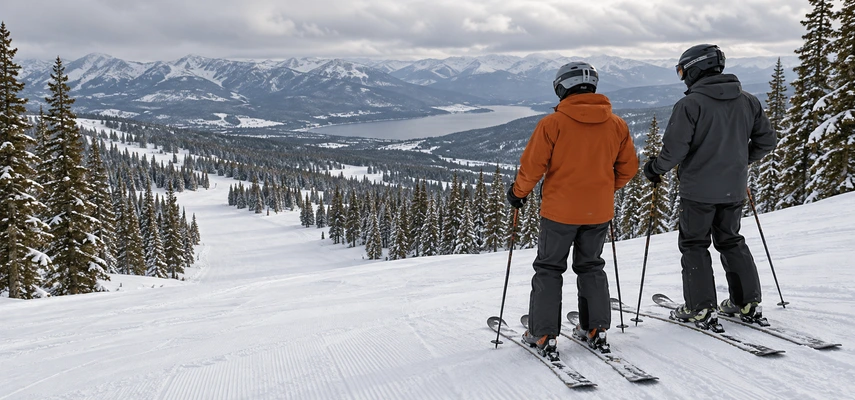

A familiar turn can feel unfamiliar when the slope becomes a little steeper. Gravity seems more insistent during the downhill part, the next movement feels closer, and the temptation is to hurry everything into a sudden sideways correction.
The answer isn’t a single dramatic instruction to lean downhill or attack the mountain. Useful control comes from an appropriate progression: suitable terrain, reliable existing skills, a planned path, and movements that remain coordinated as the demands increase.
This guide concerns early experiences on slopes steeper than those you currently manage comfortably. It isn’t instruction for expert chutes, exposed terrain, or black-diamond readiness. Work with a qualified instructor who can assess you and choose a manageable next setting.
Make the change small enough to learn from
Choose a modest increase in demand, not the hardest slope your friends believe you might survive. Your current stopping, turning, and speed management should already work reliably on easier terrain.
A new pitch shouldn’t simultaneously introduce narrow space, difficult snow, poor visibility, and unfamiliar navigation. Each additional demand competes for the attention you need to understand the change in gradient.
Ask the instructor which specific open section is appropriate and why. Know the route before the lift ride and identify suitable places to pause. A good progression is planned before the first uncertain turn.
Ratings remain relative to the resort. The NSAA’s trail-signage guidance is a useful reminder that a color isn’t a universal measurement. Discuss the actual slope and conditions rather than selecting a challenge from the symbol alone.
Understand why the downhill phase feels stronger
On a steeper incline, the component of gravity tending to pull you down the slope is greater. When your path points more directly downhill, acceleration can become more noticeable than on the terrain where you first learned.
That doesn’t mean you must accept uncontrolled speed between every pair of turns. It means the route and ski-snow interaction need to manage the motion throughout the sequence, with less room for an unfinished or delayed task.
The ski tips moving left and right isn’t enough if the overall path continues mostly down the fall line. Quick zigzags can leave speed building even while you feel very busy.
An instructor can watch the path and identify where control changes. Is the new turn difficult to begin, is the arc cut short, or does a defensive stance prevent steering? Those are different problems and may need different responses.
Keep the body available instead of retreating
Leaning backward can feel like a sensible way to move away from the slope. It can also place your body behind the feet and make the skis harder to guide. The attempted reassurance may remove useful control.
Maintain a coordinated, adaptable stance with comfortable movement through the lower joints. Let the instructor assess the relationship between body, feet, and snow rather than copying an exact angle from a photograph.
A deep squat isn’t automatically a secure position. It may leave the legs working hard while limiting movement. Equally, throwing the shoulders forward isn’t a universal correction for backward support.
Ron LeMaster’s alignment discussion explains why the forces and body organization matter more than a single vertical pose. On your first stronger pitch, the practical aim is still to remain able to steer and adjust.
Give the skis a manageable path
Use turn shapes suited to the available corridor and your skills. An appropriately developed arc across the slope helps change the relationship between your direction of travel and gravity.
Don’t rush the skis into a sharp last-second change merely because the downhill phase feels uncomfortable. That can create a cycle of acceleration and abrupt braking. Work with the instructor on guiding the path more deliberately.
The PSIA-AASI Eastern tasks connect steering, support, and edge behavior to turn shape and speed. The task isn’t to hold one preferred movement everywhere, but to produce suitable ski performance.
Your corridor must still respect other users. A theoretical broad turn isn’t useful if the trail width or traffic doesn’t permit it. If the space required exceeds what is available, choose a different setting rather than asserting your need for the entire run.
Use controlled skidding where it serves the objective
Skidding includes sideways movement of the skis through snow and can help dissipate energy. It is a useful part of skiing, especially when the immediate goal is controlled speed rather than an efficient clean carve.
Trying to carve every turn can preserve more speed than you want. A developing skier doesn’t need to replace a workable brushed turn with a more demanding edge performance to look advanced.
REI’s instructor-supported steep-skiing guidance identifies controlled skidding and line choice as useful tools. Its advanced practice suggestions aren’t a beginner’s shortcut; learn the relevant movement on suitable terrain before adding pitch.
Don’t confuse a controlled skid with jamming the edges abruptly or throwing the upper body sideways. Steering and edge adjustment need coordination. Ask your instructor for a task that develops the needed response without increasing speed to force the issue.
Release the old turn before forcing the new one
If the skis remain strongly engaged on the previous edges, they may resist being guided into the next direction. Pulling harder with the shoulders can make the transition feel more strenuous without creating the freedom you need.
Appropriate edge release allows the skis to change their relationship with the snow so the new turn can develop. That happens as part of coordinated movement, not a long uncontrolled straight run between arcs.
An instructor may return to an easier slope to explore the release, then reintroduce the modest pitch when the movement is clearer. That isn’t lost progress. It is a way to learn the missing piece without asking terrain to provide the explanation.
Don’t attempt unfamiliar sideslip, pivot, or short-turn drills on the harder section because their names sound relevant. Those are skills with their own progressions. Knowing the intended outcome doesn’t yet supply the movement.
Plan short sections and visible pauses
From a safe visible stopping place, identify the next manageable section and where you can finish without obstructing traffic. Include surface changes, narrowing, and intersections in the plan.
You don’t have to ski the whole route continuously to learn from it. A planned pause can let the instructor explain an observation, let traffic clear, or give you a chance to reset attention.
Avoid stops below crests or in narrow passages. Don’t let the group gather in a place where approaching skiers cannot see or avoid it. The NSAA responsibility code applies throughout the progression.
Look uphill and avoid approaching users before starting again. A new section is a fresh decision, even if the previous few turns went well. Keep the route and pace deliberate rather than following the group automatically.
Let the conditions have a vote
The same slope can ask a different question when the snow becomes firm, scraped, bumpy, or soft and uneven. Poor light can make reading the surface harder before the pitch itself changes at all.
Choose conditions that support learning. If steering or stopping becomes less reliable, reduce the terrain demand or finish the session. There is no requirement to prove that the lesson plan works after the situation has changed.
Big Sky’s safety guidance connects speed, space, and awareness with changing terrain and fatigue. That combination matters more than the idea that a particular run ought to be within your ability.
Stay on appropriate open managed terrain and obey closures. Steeper resort practice doesn’t qualify you for unmanaged slopes, backcountry travel, or avalanche decisions. A nearby lift doesn’t extend the area’s management beyond its actual boundaries.
Recognize when to stop the experiment
If every turn becomes an urgent recovery, the task is too demanding at that moment. If you can’t select a path, maintain space, or stop appropriately, seek help rather than continuing to collect difficult turns.
Tell the instructor when you feel overwhelmed, fatigued, cold, or uncomfortable in the equipment. Those details affect performance and the sensible next step. More insistence isn’t always the missing ingredient.
If you find yourself committed to terrain you cannot manage, contact staff or patrol for assistance. Don’t rely on a friend to catch you, an unfamiliar emergency stop, or a deliberate fall as a routine solution.
Returning to easier terrain gives you room to apply feedback. The useful result of a harder section may be a clearer understanding of what to practice, rather than an immediate decision to repeat it until tired.
Measure success by preserved control
A productive progression leaves the route manageable enough that you can describe what worked and make a useful next choice. You may still feel challenged, but the turns aren’t a sequence of surprises you barely recover from.
Ask the instructor what should become more reliable before another increase in pitch. Keep that objective specific and practice it where the conditions make understanding possible.
The mountain doesn’t need conquering for the learning to matter. A slightly stronger slope becomes rewarding when familiar skills remain available and the path stays intentional. That’s the foundation for later technique—and a good reason to make the next step small enough to own.












