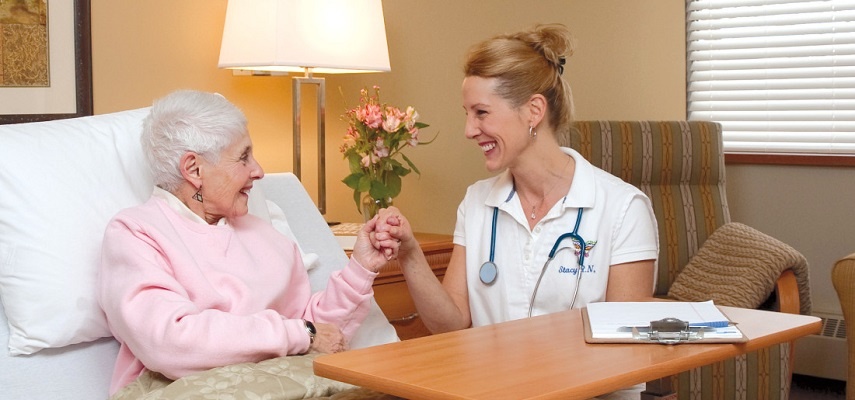

Photo by Annabel Podevyn on Unsplash
The statistics on abuse of older people paint a terrible picture. According to the World Health Organization (WHO), approximately one in six people aged 60 and over experienced a form of abuse in a community setting in the past 12 months. Abuse rates are also high in nursing homes, long-term care facilities, and other institutions, with two in three staff reporting they have committed abuse in the previous 12 months.
Everyone deserves to feel safe and supported in their golden years while living in a care institution, but that’s not everyone’s experience. Nursing home abuse rates are on the rise for these and many other reasons:
Understaffing
Many residents and their families receive a nursing home abuse settlement due to neglect that resulted in a serious injury or even death. In many situations, understaffing is a contributing factor. Cost-cutting measures and a lack of qualified candidates mean fewer care professionals working in nursing homes. As a result, the ratio of workers to residents is too low.
In an American Health Care Association (AHCA) survey, 94% of nursing homes reported facing staffing shortages in the last month, while 81% of assisted living communities did. Nearly 75% of nursing homes reported that the workforce situation had worsened since the COVID-19 pandemic of 2020. Without adequate staffing, caregivers can become overwhelmed, leading to high stress, burnout, reduced compassion, and neglectful care.
Financial and Organizational
To increase profits or avoid overspending, many care facilities reduce staff, supplies, and services. These cost-cutting measures have a significant impact on both caregivers and patients. Resources can also be poorly allocated, with funds spent on administration rather than on care for residents. In many situations, there are also not enough resources for the number of residents in a nursing home, leading to neglect.
Communication Failures
Not all forms of nursing home abuse are intentional. However, unfortunately, simple communication failures can be deadly. For example, poor communication between workers due to incomplete records or shift changes can result in missed care. When caregivers are rushed off their feet, they may also fail to inform residents’ families of health changes or potential issues. Residents may not always be able to advocate for themselves. They can have speech difficulties, cognitive impairments, or even fear retaliation if they report their neglect.
Inadequate Training
Nursing homes can be so desperate for workers to care for their residents that they lower their standards for workers. For example, they might hire someone with less experience than they would when they have adequate staff. With fewer permanent workers, they may also rely on temporary agency workers, who may not be familiar with all nursing home policies and care practices.
Inadequate training in both situations can affect resident care. In fact, poor training is a key finding in many forms of research conducted on nursing home abuse. For example, in a study that investigated the abuse of residents with dementia or Alzheimer’s disease, poor training was regularly cited.
The sad reality is that, despite being frequently reported and highly publicized, nursing home abuse rates continue to rise due to poor training, understaffing, money management, and many other preventable reasons.