










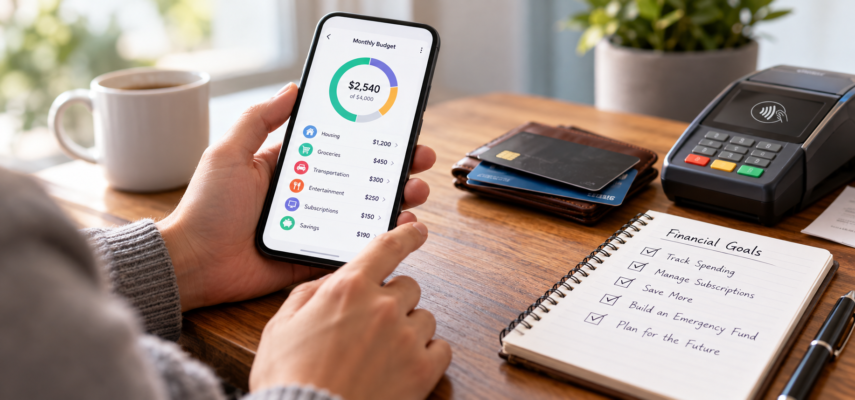

Paying for everyday purchases has become almost effortless. A quick tap at the grocery store, a digital wallet at a restaurant, or an automatic subscription payment can complete a transaction in seconds. While cashless payments make managing money more convenient, they also make it easier to overlook smaller expenses and recurring charges. Without regular attention, these transactions can add up to a substantial amount by the end of the month.
Building better money management habits in a cashless economy requires understanding spending patterns, choosing appropriate payment methods and using digital financial tools effectively. The goal isn’t to avoid cashless payments but to maintain control over how much money is spent, saved and allocated toward financial priorities.
Understand How Cashless Payments Influence Spending
Cashless payments remove much of the effort involved in making purchases. Instead of counting bills or checking the money remaining in a wallet, consumers can pay through smartphones, credit cards, and saved payment information. This makes everyday transactions convenient, but it also reduces how much attention people pay to individual purchases. When payments happen repeatedly throughout the day, their combined cost can become difficult to recognize.
Consider someone who spends $6 on coffee, $12 on lunch and $15 on an online purchase. That’s $33 in one day, or $660 when repeated across 20 days. None of these purchases is necessarily unreasonable, but their total cost matters when evaluating monthly finances. Regularly reviewing transactions helps consumers spot spending patterns that aren’t obvious at the time of purchase.
Banking apps and digital statements make this process easier by organizing purchases according to merchant, date and amount. Categorizing expenses into groceries, transportation, entertainment and other household needs provides a clearer picture of where money goes. A weekly review is often enough to identify changes before they affect the monthly budget.
Choose Payment Methods That Match Your Spending Habits
Different payment methods serve different purposes, and choosing between them should involve more than convenience. Debit cards withdraw money from an account, while credit cards let you pay later under the cardholder agreement. Digital wallets can store either type of card, making transactions faster without changing the underlying payment terms. Understanding these differences helps consumers choose the right option for everyday expenses.
Spending habits also influence how people evaluate payment options. Someone who drives frequently, for example, may compare general-purpose credit cards, fuel loyalty programs and options such as the BP Visa credit card when considering rewards associated with gasoline purchases. These comparisons matter when fuel is a regular household expense, but evaluate rewards alongside the payment method’s terms and costs. The goal is to see how different options fit existing spending patterns, not to encourage extra purchases.
Managing too many payment methods can also complicate financial tracking. When expenses are spread across several cards and apps, consumers must review multiple statements to understand their total spending. Keeping accounts organized and reviewing balances consistently makes it easier to avoid overlooked charges and maintain an accurate household budget.
Make Digital Budgeting Part of Your Routine
A budget provides structure by assigning income to specific expenses before you spend it. This becomes particularly useful when purchases happen electronically and automatic payments continue without requiring manual approval. Start by calculating monthly take-home income and identifying essential expenses such as housing, groceries, utilities, transportation and minimum debt payments. The remaining amount can then be divided between savings, irregular expenses and discretionary purchases.
For example, someone earning $4,000 monthly after taxes could allocate $2,400 toward essential expenses, $600 toward savings and $1,000 toward other spending. This is an illustrative breakdown, not a fixed recommendation, since housing costs and financial obligations vary widely. What matters is assigning realistic amounts to each category and checking whether actual expenses remain within those limits. If groceries regularly exceed the planned amount, the budget should reflect that rather than relying on an unrealistic target.
Digital budgeting apps can categorize transactions and show spending trends, but automation still needs occasional review. Purchases from large retailers, for instance, may include groceries, household supplies and electronics within the same transaction. Reviewing and correcting categories helps ensure the information accurately reflects spending habits and supports better financial decisions.
Keep Recurring Payments Under Control
Automatic subscriptions are easy to overlook because they continue without requiring a new purchasing decision each month. Streaming services, cloud storage, software memberships and fitness applications can gradually increase regular expenses, particularly when consumers maintain several accounts. A $14.99 monthly subscription costs $179.88 annually, while three subscriptions at that price cost $539.64 before taxes. Reviewing these charges can reveal expenses that no longer justify their cost.
A practical approach is to examine the previous three months of bank and credit card statements and identify every recurring payment. Check whether each service is still being used, whether its price has changed and whether multiple subscriptions provide overlapping features. Annual renewals deserve attention because people often overlook them during monthly reviews. Recording renewal dates also helps consumers anticipate larger payments and avoid unexpected charges.
Build Savings Into the Payment Process
Automated savings transfers can help consumers make consistent progress toward financial goals without relying on whatever money remains at the end of the month. Scheduling a transfer shortly after you receive income makes savings part of your regular budget rather than an occasional decision. For example, setting aside $40 each week produces $2,080 over 52 weeks before interest. The contribution should remain manageable alongside essential expenses and other financial commitments.
Separate savings categories can also improve financial organization. Emergency expenses, vehicle maintenance, vacations and annual insurance payments serve different purposes, even when the money comes from the same paycheck. Keeping these goals distinct helps prevent planned purchases from reducing funds reserved for unexpected financial needs. It also makes it easier to understand how much money is available for each expense.
Protect Your Money Across Digital Accounts
Managing money in a cashless economy also requires protecting access to banking, email and payment applications. A compromised email account can expose password-reset messages, while fraudulent payment requests can lead to unauthorized transfers or disclosure of sensitive information. Consumers should use unique passwords, enable multifactor authentication and review transaction notifications regularly. Keeping devices and financial applications updated also helps address known security vulnerabilities.
Unexpected messages requesting account information deserve particular attention. Criminals frequently impersonate financial institutions and create urgency by claiming that an account has been suspended or an unauthorized transaction requires immediate action. Instead of following links in unsolicited messages, consumers should contact the institution through its official application or a trusted phone number. Report suspicious transactions promptly because applicable protections and reporting deadlines depend on the payment method and circumstances.
Make Convenience Work in Your Favor
A cashless economy provides convenient ways to pay bills, organize transactions and manage financial accounts. However, these benefits depend on staying aware of spending rather than letting payments happen without review. Regular budgeting, organized payment methods, subscription management, and consistent savings contributions help consumers understand where their money goes. Digital security adds another layer of protection by reducing avoidable financial risks.
Better money management doesn’t require monitoring every transaction throughout the day. It requires a reliable routine for reviewing expenses, understanding financial commitments and adjusting spending when circumstances change. By combining the convenience of digital payments with practical financial habits, consumers can maintain greater control over their money and make steady progress toward long-term goals.











