











Cava and German Sekt can meet in the same tasting flight without telling the same production story. One has a protected Spanish origin and compulsory traditional-method identity; the other needs closer label reading before you know where its base wine came from or how its bubbles were made. Riesling adds another useful distinction: a grape name can explain likely fruit and acidity, but it isn’t a complete production specification.
For Diploma study, build the explanation in layers. Establish origin, follow the fruit into the cellar, interpret the label and then judge the wine. That sequence prevents an expensive-looking bottle from doing your analytical work for you.
Cava: a protected origin with several growing settings
Cava’s historical centre lies around Sant Sadurní d’Anoia in Penedès, but the designation extends beyond a single Catalan landscape. The Consejo Regulador’s four-zone account identifies Comtats de Barcelona, Valle del Ebro, Viñedos de Almendralejo and Requena. The territory isn’t one continuous vineyard with identical conditions.
Mediterranean warmth and summer dryness matter around the historic heartland. Inland settings, altitude, exposure and distance from the sea modify temperature, water supply and ripening. A cooler elevated site and a warmer low-lying parcel can supply different components even when both satisfy origin requirements. Don’t turn a regional climate description into a prediction for every harvest.
Growers must balance a sufficient crop with healthy fruit, useful acidity and appropriate flavour development. Canopy management affects shading and ventilation; soil management and water availability influence vine growth. Harvest timing for sparkling base wine can differ from that for a fuller still wine. Earlier picking isn’t an unlimited virtue: very sharp fruit without enough flavour is hardly a bargain.
Macabeo, Xarel·lo and Parellada form the familiar traditional trio. The authorised-variety account also includes Chardonnay, Subirat Parent and permitted red varieties. Blending can combine different aromatic, structural and ripening contributions. It doesn’t mean every producer uses the same proportions or every successful wine requires all three classic grapes.
Cava production: connect each operation to its purpose
Gentle pressing limits unwanted extraction; sound base-wine fermentation preserves useful fruit and acidity. Producers can keep components separate before blending, choosing whether to retain a sharper profile or soften it through permitted cellar decisions. Differences in fruit, oxidation management, fermentation conditions and blending remain relevant before the second fermentation even begins.
The current Cava specification requires a second alcoholic fermentation in bottle and at least nine months in contact with lees in that same bottle. Rosé base wine requires at least 25% red grapes. Hand harvesting is a specific Paraje Calificado condition, rather than a safe assumption about every Cava vineyard.
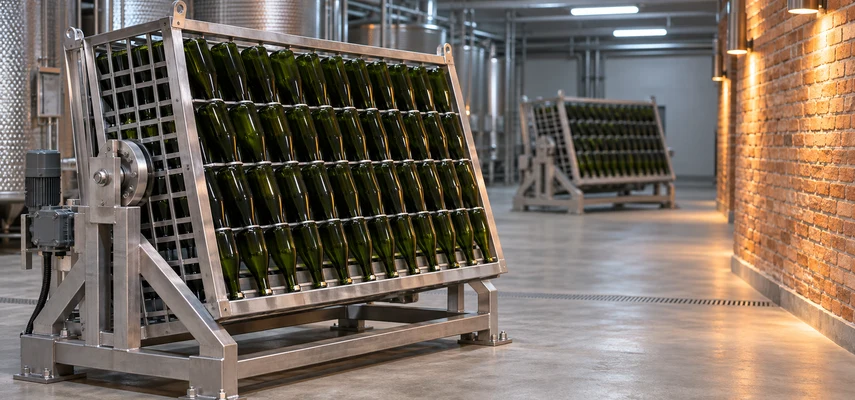
Tirage supplies the ingredients for the second fermentation. The trapped carbon dioxide creates pressure, while subsequent lees contact can influence texture and developed character. Riddling collects sediment towards the closure, disgorgement removes it, and any permitted finishing additions must suit the intended wine. A mechanised operation can improve efficiency without automatically diminishing quality.
Fresh-fruited Cava and a more developed example need different explanations. Fruit character, acidity, mousse, dosage and maturation interact; more toast isn’t automatically more balance. Assess quality through condition, definition, harmony and finish, and assess further bottle-ageing separately. An enjoyable developed wine may already be ready to drink.
Read Cava’s classifications with their actual conditions
The minimum for Reserva is eighteen months, not the older fifteen-month figure still repeated in some accounts. Gran Reserva requires thirty months, while Paraje Calificado requires thirty-six. These are Cava categories; importing Champagne’s separate clocks produces the wrong answer.
Guarda Superior encompasses Reserva, Gran Reserva and Paraje Calificado, with additional vineyard and traceability conditions. The operative specification requires organic certification from the 2025 harvest under its transition provisions. That harvest reference matters: it doesn’t establish that every older bottle released during 2025 came from certified organic fruit.
A recognised Paraje is a delimited site with specific controls, not simply a producer’s flattering description. The approved January 2026 amendment also changes the wording governing its geographical relationship and the recognition provisions for Elaborador Integral. Check the current authorisation rather than treating an old certificate or informal estate claim as sufficient.
Classification helps explain production constraints and positioning. It doesn’t replace an individual tasting judgement. Longer stockholding adds storage, handling and financing exposure, while stricter vineyard requirements can affect available supply. Those consequences help explain price without establishing that the oldest category always offers the best purchase for every customer.
German Sekt: begin with the origin wording
German Sekt production includes large-scale branded wine and smaller origin-focused bottlings. The Lower Saxony food authority explains that wine imported into Germany can be made into Sekt there. Deutscher Sekt identifies German wine, whereas Sekt b.A. relates to a specified wine-growing region. Country of processing and origin of the grapes aren’t interchangeable.
This distinction changes the growing-environment answer. A broad sourcing business may choose base wines from different permitted origins; a regional producer depends on a more defined vineyard setting. You can’t assign Mosel slopes or a German harvest’s weather to every bottle simply because its second fermentation happened in Germany.
Where German fruit is used, variety, site and harvest decisions shape the base wine. Cool conditions can retain acidity, while frost, poor flowering, rain and disease can complicate yields and fruit health. Growers need appropriate canopy and crop management rather than an assumption that low temperature automatically delivers balanced sparkling wine.
Sekt can use tank fermentation, transfer or traditional bottle fermentation as applicable. The method influences handling, cost, sediment removal and opportunities for lees development. A tank route can suit a fresh, accessible product; bottle fermentation can support a different proposition. Neither statement establishes the finished wine’s quality without tasting it.
Winzersekt is a defined term, not a universal Sekt recipe
German wine regulation §34a specifies conditions for Winzersekt, including qualifying own-holding fruit or member-holding fruit for a producer association. It requires traditional bottle fermentation, the specified continuous lees period of at least nine months, disgorgement, and prescribed identification of producer or association, grape variety and vintage.
That wording deserves care. Winzersekt doesn’t simply mean any wine made by a small business, nor does the provision exclude every producer association. Don’t assume every German Sekt follows these conditions or that a traditional-method label proves one person grew, fermented, riddled and sold every bottle unaided.
The commercial consequences can be substantial. A business retaining its own fruit has different sourcing exposure from one purchasing base wine. Bottle holding ties up capital and space; disgorgement and finishing require equipment or suitable services. A credible price explanation follows those costs, the route to market and demand rather than awarding a premium merely for a German word.
Riesling Sekt: aroma, acidity and method need separate answers
Riesling Sekt narrows the grape discussion but doesn’t remove the need to establish origin and method. The German Wine Institute’s US resource describes Riesling’s marked acidity, varied German growing settings and usefulness as sparkling base wine. Mosel, Rheingau, Rheinhessen and Pfalz offer different combinations of climate, slope, soils and exposure.
Riesling’s relatively late ripening makes site and season important. A grower seeking sparkling fruit needs enough flavour without excessive potential alcohol or loss of freshness. Harvest decisions, crop load, canopy condition and sorting interact. Steep sites can raise labour demands, but not every Riesling parcel is a steep riverside postcard.
Protective handling and controlled fermentation can preserve citrus, orchard-fruit or floral expression. Bottle fermentation and lees ageing can add another layer; a less developed example can place greater emphasis on primary fruit. Avoid assuming every Riesling Sekt is traditional-method, sweet, low in alcohol or destined for long ageing.
For quality, ask whether fruit, acidity, sweetness, alcohol and mousse work together. For price, consider growing costs, yields, method, maturation, packaging and selling. For bottle-ageing suitability, identify evidence of capacity to improve, rather than treating high acidity or the Riesling name as a guarantee. The same analytical discipline applies to Cava, broader Sekt and this varietal expression.
Explain business structures and marketing through each wine
Across Cava, German Sekt and Riesling Sekt, distinguish the grower selling grapes, the estate retaining fruit, and a merchant purchasing wine or components. A co-operative can share processing and marketing resources. Conglomerate ownership can support investment and distribution, while wine brands may draw on several sourcing arrangements. Ownership alone doesn’t establish sensory quality.
Supply depends on eligible fruit, yields, winery capacity and available stock. Demand depends on occasions, customer expectations, alternatives and willingness to pay. Costs include vineyard work, purchased materials, labour, energy, pressure equipment, stockholding, packaging, transport and selling. A poor harvest can constrain a regional estate while a broader sourcing operation faces different options and risks.
For Cava, a brand might emphasise protected origin and mature traditional-method character. A German Sekt brand might offer consistency and accessible refreshment; a Riesling Sekt specialist might explain grape character and regional identity. These are possible marketing choices, not descriptions of all producers. Define product, price position, people, placement and promotion together: a technical origin story needs someone able to explain why the customer should care.
Industry organisations also have different responsibilities. The Consejo Regulador governs the Cava designation; Comité Champagne serves Champagne, and the Cap Classique Association represents a South African category. Comparing their roles is useful; assuming that they impose one worldwide sparkling-wine rule isn’t.
Separate label information from sensory evidence
PDO identifies a protected designation of origin. A geographical indication is an origin claim within its applicable framework, not a synonym for production method. Country-specific terms such as Winzersekt add their own conditions. Read origin, method, age category and sweetness as separate pieces of information before combining them into an explanation.
The EU sparkling sweetness bands put Brut below Extra Dry in sugar level. Brut Nature requires less than 3 g/l and no sugar added after secondary fermentation. Don’t substitute still-wine dryness terminology or use a sweetness category as a quality grade. Sensory balance also depends on acidity, flavour, alcohol and texture.
For tasting, record clarity, colour depth and hue, plus visible bubbles or sediment. Assess nose condition before aroma strength and specific character. On the palate separate sweetness, acidity, tannin quantity and texture where relevant, alcohol warmth and body. Don’t invent red-wine tannin simply because a rosé used red grapes.
Distinguish flavour strength from flavour character, note mousse and other tactile features, and follow the persistence of identifiable flavour. Make one scale choice where instructed; illustrative descriptors guide observation rather than require a checklist of aromas. Explain quality through the combined evidence. Justify bottle-ageing suitability independently, identifying the likely improvement and components supporting it.
Connect global sparkling wines with sparkling production methods when testing the explanation: trace a production choice into the wine’s sensory evidence, then distinguish its contribution to style from its implications for quality and cost.
Original Diploma practice
These independent exercises use indicative points and outline answers, not official questions or marks. Proposed bottles are sourcing targets; no actual tasting or verified bottle grades are claimed.
Question 1: compare the production explanations
Compare a hypothetical Cava Reserva with a fresh tank-fermented Sekt. Explain origin, fruit, fermentation, maturation, style and costs without deciding quality from method alone.
Indicative points: protected origin; source flexibility; second fermentation; eighteen-month category; stockholding; sensory evidence. Outline answer: Shared bubbles conceal different constraints. The Cava category establishes specific conditions, while the Sekt explanation requires its own origin and method information; both need individual quality assessment.
Question 2: correct a label interpretation
A buyer says that Sekt made in Germany necessarily uses German Riesling and qualifies as Winzersekt. Evaluate the statement and identify the information needed.
Indicative points: processing versus grape origin; Deutscher Sekt; regional designation; grape; traditional method; producer and vintage conditions. Outline answer: The processing country doesn’t settle fruit origin, grape or Winzersekt eligibility. Read each applicable claim and verify its conditions before describing the wine.
Question 3: explain a premium Riesling Sekt proposition
Explain how a regional Riesling producer could position a bottle-fermented wine at a higher price. Include growing conditions, cellar choices, working capital, distribution and limits to the quality claim.
Indicative points: site; ripeness and acidity; method; holding costs; people and placement; tasting evidence. Outline answer: A premium proposition needs an identifiable product and a viable market. Costs help explain the price, while balance, definition and persistence support a separate quality judgement.
Analytical tasting preparation: preserve essential and optional status
Source Cava targeting good-to-very-good quality, reflecting an essential study selection. Traditional-method Riesling Sekt of any quality is optional; an acceptable-to-good German Sekt is another optional choice. These distinctions follow the official recommended-sample table, rather than making all three compulsory.
Indicative points: category status; conceal identities; complete notes; mousse; balance; quality and ageing. Outline answer: Compare observations before revealing labels. Test whether origin and method explain the evidence, and keep the proposed study quality targets separate from grades supported by the wines actually tasted.












