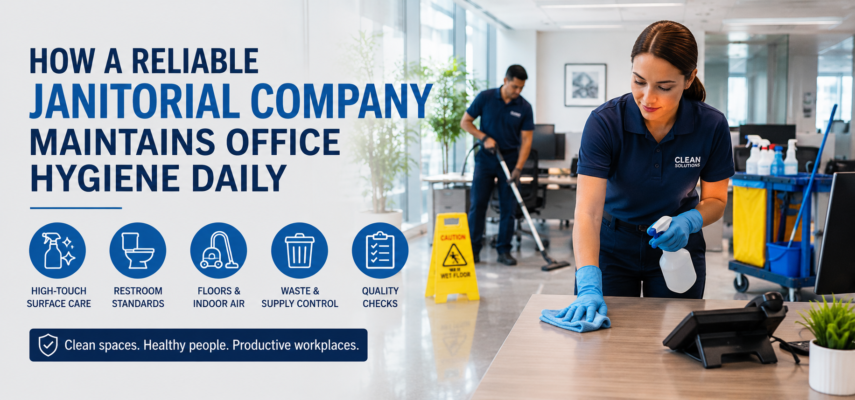
Introduction
Office hygiene depends on repeatable procedures, trained personnel, and close observation of shared spaces. A dependable cleaning team manages visible soil, airborne particles, moisture, waste, and frequently touched fixtures throughout each shift. These duties influence respiratory comfort, hand hygiene, odor control, and workplace confidence. For facility managers, documented routines provide evidence that essential areas receive attention at suitable intervals. Employees benefit from cleaner surroundings, fewer distractions, and a more comfortable setting for daily responsibilities.
A Consistent Daily Plan
A trusted NYC janitorial company builds its schedule around occupancy, floor area, traffic patterns, operating hours, and building use. Staff receive assigned zones rather than vague instructions. That distinction matters because every room has different hygiene demands. Reception counters collect frequent contact, kitchens accumulate food residue, and restrooms require repeated inspection. A written route creates accountability while allowing supervisors to adjust coverage after meetings, events, or unusual activity.
Morning Inspection
The first inspection establishes the day’s priorities. Supervisors examine entrances, lifts, corridors, work areas, restrooms, and staff kitchens before routine tasks begin. Spills, overflowing receptacles, damaged dispensers, unpleasant odors, or blocked walkways receive immediate attention. A checklist converts observations into useful records. It can note supply levels, floor conditions, fixture damage, and rooms requiring additional labor. Early review protects visitors and employees from preventable hazards.
High-Touch Surface Care
Handles, lift buttons, switches, phones, shared keyboards, tables, and tap controls deserve frequent cleaning. Personnel remove visible residue before applying an appropriate disinfectant. Product labels determine dilution, surface compatibility, and required wet contact time. Skipping that interval can reduce treatment effectiveness. A defined touchpoint route helps workers cover priority fixtures in a logical order, including items that may escape notice during broad room cleaning.
Restroom Standards
Restrooms require more than a quick wipe. Cleaning personnel replenish soap, tissue, and hand towels before dispensers become empty. Toilets, urinals, basins, partitions, mirrors, floors, and door hardware each need suitable treatment. Odor checks can reveal drainage concerns, standing moisture, or missed organic residue. During busy periods, supervisors may revisit these rooms several times. A simple inspection scale records whether conditions meet the agreed standard.
Floors and Indoor Air
Floor maintenance combines vacuuming, sweeping, damp mopping, stain removal, and scheduled machine care. Carpet fibers hold grit and skin flakes, while hard surfaces collect moisture near entrances and sinks. Each material requires compatible chemicals and equipment to prevent finish damage. Door mats deserve special attention because they trap water and soil before those substances spread indoors. Dust removal from ledges and vents also helps limit circulating particles.
Waste and Supply Control
Waste collection follows a planned route, with separate handling for ordinary refuse and materials requiring additional precautions. Liners should be changed before containers become overloaded or difficult to lift safely. Storage closets need labels, secure placement, and adequate ventilation where product instructions require it. Supervisors can compare weekly usage with occupancy figures. Unusual consumption may indicate leakage, poor dispensing, misplaced stock, or a change in building activity.
Quality Checks
Completion should be verified through observation, not assumed from a signed checklist. A supervisor can review selected rooms using criteria for surfaces, floors, restrooms, supplies, stains, and odor. Missed duties receive correction during the same shift whenever staffing permits. Monthly records may compare inspection scores, complaint volume, response times, and recurring defects. These measures show whether the service standard remains stable and where training requires reinforcement.
Communication With Managers
Building conditions can change after severe weather, construction, catered events, staff increases, or altered office hours. Cleaning personnel need a clear method for receiving those updates. A request log should identify the location, concern, priority, assigned worker, and completion time. Managers then have a reliable record for follow-up. Direct communication prevents duplicated requests, supports faster responses, and helps crews protect essential duties during unexpected disruptions.
Conclusion
Daily office hygiene results from disciplined execution, accurate records, and timely correction. Skilled cleaning teams inspect conditions, treat high-contact fixtures, service restrooms, maintain flooring, control waste, and monitor supplies. Supervisory checks provide evidence that work meets defined expectations. Communication keeps the schedule aligned with occupancy and building activity. When these practices operate together, employees and visitors encounter cleaner surfaces, safer walkways, improved odor control, and a more comfortable workplace throughout each business day.