










Every crash starts with a moment nobody planned for, and behind each number is a family whose routine changed overnight. Colorado recorded 701 traffic deaths in 2025, a slight rise from 689 the year before. State Patrol also logged 1,188 crashes involving commercial vehicles in just the first six months of 2025. Driver error gets most of the attention, yet worn brakes, bald tires, and skipped inspections play a quieter role. Brake defects were the most common out-of-service violation in the 2024 nationwide roadside inspection sweep, with more than 3,300 cited.
In Colorado Springs, where trucks haul freight along I-25 and Highway 24 every day, a mechanical failure can turn a routine drive into a life-changing event. Carriers owe a legal duty to keep rigs safe, and federal rules require regular inspections and repair records. When these duties slip, a truck accident attorney in Colorado Springs can help trace the failure back to whoever neglected it. Before getting there, it helps to see how specific maintenance lapses lead to serious crashes.
Brake Wear Increases Stopping Distance
Brakes lose effectiveness when pads, drums, or other components wear down or fail. A loaded truck already needs room to slow, and weak braking can leave a driver unable to stop before reaching traffic, an intersection, or a line of vehicles. A brake imbalance can also pull the truck to one side during a hard stop.
A post-crash inspection can identify worn parts, leaks, or damage that existed before impact. Investigators may compare the physical condition of the brakes with maintenance reports and driver inspection forms. A defect recorded before the trip raises questions about whether the truck should have remained in service.
Tire Defects Affect Control
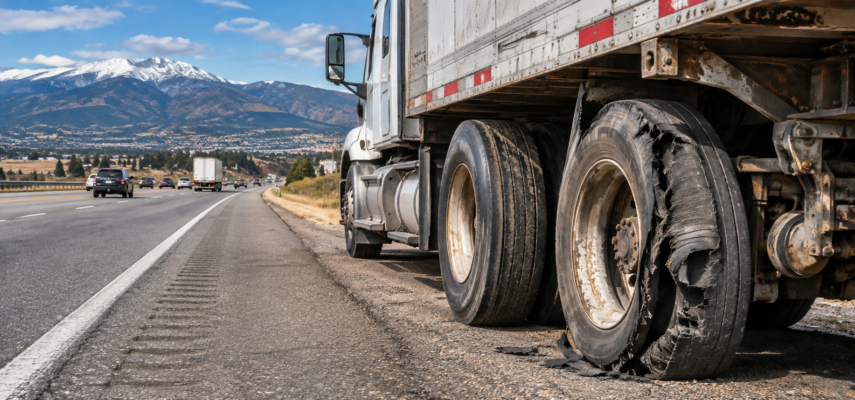
Underinflated, overinflated, worn, or damaged tires can reduce traction and stability. A blowout can cause a sudden lane change or force a driver to fight for control, while poor tread can make braking less effective on wet pavement. Uneven wear can also point to an unresolved alignment or suspension problem.
Tire evidence includes tread condition, pressure-related damage, and signs of a prior repair. Photographs and inspection notes can help show whether a tire defect existed before the collision or resulted from the impact. Preserving the damaged tire matters when its condition is disputed.
Steering and Suspension Failures Disrupt Handling
Loose steering parts or damaged suspension components can make a truck harder to guide, especially when it carries a heavy load or travels over uneven pavement. A driver may struggle to keep the vehicle in its lane or correct its path after swerving. Ignoring unusual vibration, pulling, or noise can allow a repairable problem to worsen.
Maintenance records can show whether drivers reported handling changes and whether a shop examined them. Repair invoices, inspection documents, and parts removed from the truck may help establish the following:
- When the defect arose
- Whether anyone addressed it
Lighting Defects Hide a Truck
Burned-out brake lights, turn signals, or headlights make it harder for other road users to judge a truck’s position and movements. Drivers behind the truck rely on the truck’s brake lights to react to a slowdown. At night or in poor visibility, failed headlights can also reduce the driver’s view of hazards.
A damaged bulb alone does not prove poor maintenance because a collision can break lighting equipment. Investigators examine the damage pattern, available records, and witness accounts to distinguish a preexisting defect from crash damage.
Inspection Failures Leave Defects Unresolved
Drivers and maintenance teams need to identify problems before a truck enters service. A rushed inspection can miss worn brakes, tire damage, fluid leaks, or warning lights. A company’s repair process also matters: a reported defect has little safety value if no one documents the response or verifies the repair.
Useful records can include inspection forms, work orders, repair invoices, and communications about reported problems. Together, they can show three crucial things:
- Whether the issue was known
- How the company responded
- Whether the truck returned to the road before repairs were complete
Multiple Parties May Share Responsibility
Responsibility can extend beyond the driver. A trucking company may control inspection schedules and repair decisions, while an outside maintenance provider may perform the work. The facts determine which parties contributed to the failure and collision.
A careful investigation connects the mechanical defect to the crash. Investigators may examine the truck, compare maintenance records with the damaged components, and review witness accounts. A defect is crucial to a claim when evidence shows it was connected to the collision, not merely to the damage found later.
Conclusion
After a serious truck collision, injured parties should not assume that visible damage tells the whole story. Medical care comes first, but records and physical evidence can change or disappear as vehicles are repaired or returned to service.
An injured person should keep any crash paperwork, photographs, and messages about the incident, and note what they remember about the truck’s behavior. A prompt review of maintenance evidence can help clarify whether a neglected defect contributed to the crash.











