










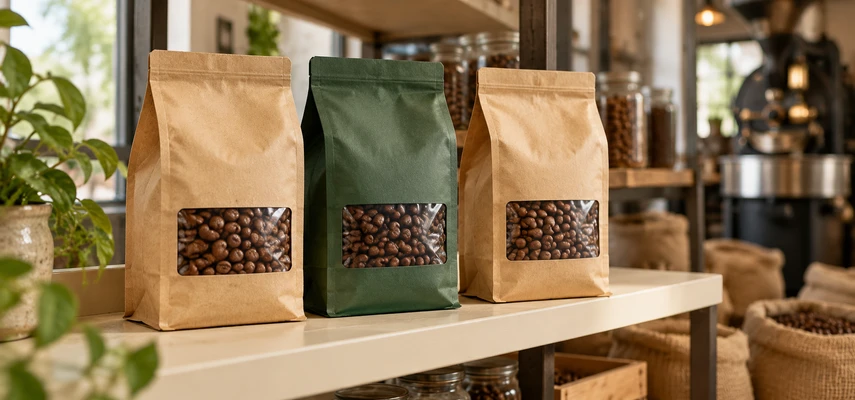

Buying coffee should be the pleasant part. You choose a bag, take it home, and look forward to tomorrow morning. Yet a shelf full of roast names, processing terms, and tasting notes can make the decision feel oddly high stakes. What if the bag promising jasmine and apricot turns out to be a breakfast you don’t enjoy?
The trick is to shop for the coffee you’ll actually drink. A useful label, a sensible quantity, and a few questions will get you further than chasing the most impressive description. You can learn what you like one bag at a time without buying an entirely new personality along with it.
Start with your usual cup
Before reading the shelf, think about breakfast. Do you drink black filter coffee, a small espresso, or a generous mug with milk? Do you like a pronounced roasted flavor, or are you curious about a lighter, brighter cup? Those answers give a seller something useful to work with.
You don’t need professional vocabulary. “I like something smooth with milk” is a perfectly serviceable request. So is “I want to try a fruity coffee, but nothing too sharp.” A good conversation starts with your preferences, not with proving that you’ve memorized the menu.
If you’re buying for a household, consider everyone’s habits. A coffee that fascinates one person may be unwelcome in somebody else’s everyday latte. You can keep a reliable shared bag and explore smaller quantities separately. Curiosity doesn’t have to take over the entire kitchen.
Use roast level as a starting clue
Light, medium, and dark suggest different roasting styles. Generally, darker roasting makes roasted and bitter characteristics more prominent, while lighter styles may leave more room for fruit-like aromas and acidity. But roast descriptions vary between sellers, so the word “medium” isn’t a universal specification.
Ask what the roaster means. Does their medium roast lean toward chocolate and nuts, or a bright fruit profile? What do they usually suggest for someone drinking with milk? You’re translating a broad category into the experience you’re hoping for.
Avoid buying against your own taste just because one roast has a fashionable reputation. A skillfully prepared darker coffee can be exactly what you enjoy. Exploring a lighter one is an option, not a graduation requirement.
Read tasting notes as suggestions
Notes such as chocolate, hazelnut, or citrus describe sensory associations in ordinary unflavored coffee. They aren’t necessarily ingredients. Explicitly flavored products are different, so read that part of the package separately if it matters to you.
Professional tasters use references to make sensory descriptions more consistent; the World Coffee Research sensory lexicon is one example. You don’t have to recognize the same fruit to get useful information from the bag. A cluster of chocolate and nut descriptors suggests a different direction from flowers and lemon.
Use the notes to narrow your search, then trust the actual drink. If a coffee promises peach and you mainly notice pleasant sweetness, you haven’t tasted it incorrectly. The label is an invitation to pay attention, rather than an answer sheet.
Look for information you can use
An origin tells you where a coffee grew. A processing description tells you something about how the fruit and seeds were handled. A roast date tells you when the green coffee was roasted. Each answers a different question, so don’t treat them as interchangeable badges of quality.
More detail can make a coffee easier to understand, especially when the seller can explain it. But a bag with a long farm biography won’t automatically become your favorite, and a simpler blend can still be well made. Look for clear information rather than the largest collection of impressive words.
Species and variety names are useful context, too. Arabica and its varieties refer to plants, not roast styles. “100% Arabica” doesn’t tell you whether the coffee was stored or roasted well. It answers one question about the contents and leaves several others open.
Single-origin or blend? Match the purpose
A single-origin coffee comes from one stated source, which may be a farm, region, or larger geographic area. A blend combines selected coffees. The scope of origin labeling varies, so ask what the seller means by the term rather than assuming every single-origin bag represents one tiny plot.
A blend can be a comfortable everyday choice when its creator is aiming for a particular style. A single-origin offering can be an enjoyable way to explore a specific coffee. Neither category automatically wins on quality, and neither belongs exclusively to one brewing method.
For your first purchase from a roaster, an approachable house blend may provide a useful reference point. If you want something more distinctive, ask which single-origin coffee differs meaningfully from it. That’s a more informative comparison than selecting the most unusual place name.
Ask about freshness without demanding today’s roast
A roast date gives you a useful reference, especially if the seller explains how they expect the coffee to develop. Coffee releases gas after roasting, while other changes gradually affect aroma. Freshness research is more nuanced than the idea that the newest bag must always be best.
Ask when the roaster suggests opening it for your brewing method and how long they expect the style to show well. The answer can vary with roast, packaging, and preparation. A sensible explanation is more useful than an absolute rule copied from a different coffee.
A best-before date serves a different purpose and may not reveal the roast date. If the package doesn’t tell you what you need, ask the shop. You can make a reasonable purchase without turning the shelf into an archaeological investigation, but clear dates help you plan.
Choose whole bean or ground for your setup
Whole beans let you decide when and how to grind, which can help preserve aroma and gives you flexibility across brewers. But those advantages depend on having a grinder that suits the job and using it consistently.
If you don’t own one, buying a modest quantity ground for your brewer is a reasonable start. Tell the seller whether you’re using a French press, filter machine, or another method. “Ground coffee” isn’t one particle size that works equally well everywhere.
Don’t let equipment ambitions outrun your morning routine. A bag ground appropriately by the roaster can make more sense than whole beans you can’t prepare. You can decide later whether grinding at home would improve your particular coffee habit.
Buy an amount you’ll comfortably use
Large bags can look like good value until you realize how slowly you drink coffee. Base the purchase on your usual routine. If you use 20 grams each morning, a 250-gram bag contains roughly twelve such doses. That’s simple planning arithmetic, not a brewing prescription.
Allow for other drinkers and for days when you buy coffee elsewhere. A small household might enjoy buying smaller bags more often; a busy kitchen may get through a larger one easily. The right quantity is the one that matches actual use.
Once home, follow basic storage guidance: protect the coffee from excessive air, heat, light, and moisture. A thoughtful purchase deserves something better than an open bag beside the stove. You don’t need elaborate storage equipment to begin treating it well.
Treat certifications as answers to specific questions
If environmental or social criteria matter to you, find out what a particular label covers. Different coffee certifications address different standards. A certification isn’t automatically a taste score, and an attractive image of a farm isn’t a certification.
Look for the actual scheme and its explanation rather than inferring too much from words such as ethical, natural, or premium. When a seller makes a claim, it’s reasonable to ask what supports it. You can care about flavor and production practices at the same time.
There’s also room to admit what a package doesn’t tell you. A retail price alone won’t reveal how income was distributed along the supply chain. Clear sourcing information can improve the conversation without pretending to resolve every question about the industry.
Make the second purchase smarter than the first
Suppose your first bag tastes pleasant but gets lost when you add milk. On the next visit, explain that specific problem and ask for a coffee intended to stay noticeable in your usual drink. You might keep the same roast range and try a different blend, rather than changing every detail at once.
Or suppose you loved a cafe’s black coffee. Ask whether the retail bag is the same coffee, what method they used, and whether they can offer a starting recipe for your brewer. Buying the actual coffee you enjoyed gives you a much clearer experiment than choosing a different bag because its description sounds similar.
Keep the bag or take a quick photo of its details. Note what you enjoyed, how you brewed it, and whether you’d buy it again. A sentence is enough. “Lovely black, disappeared under milk” tells you more about your next purchase than a vague memory that the package was green.
When returning to the shop, share that observation. You can ask for something similar, slightly darker, less bright, or more aromatic. Changing one direction at a time makes it easier to discover what matters to you.
Good coffee buying is an ongoing conversation between the seller’s information and your own experience. Begin with a bag that fits your habits, ask a couple of useful questions, and give yourself permission to be curious. Tomorrow morning is a much better judge than the confidence of the packaging.












