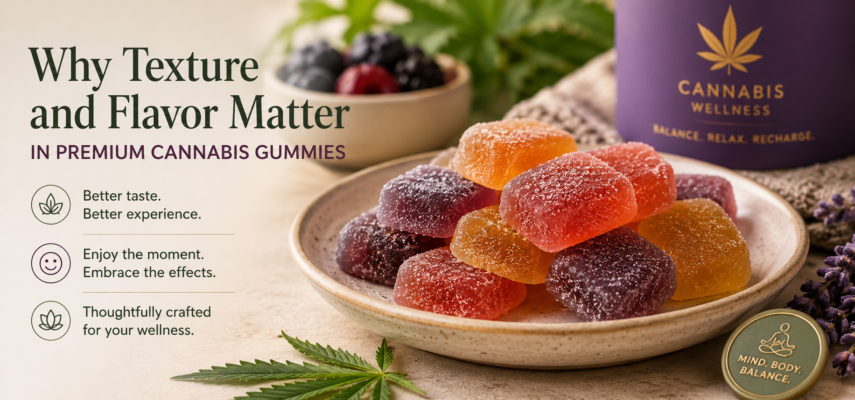
In the early days of edibles, effectiveness was the only thing that mattered. If a product delivered THC or CBD reliably, most users were willing to overlook everything else, including taste and texture. That mindset has changed significantly. Today, wellness focused consumers expect cannabis gummies to feel as good as they work.
This shift is not superficial. It reflects a broader change in how people approach cannabis, especially those using it for relaxation, stress relief, or sleep support. The experience is no longer just about effects, but about how comfortably those effects are introduced into the body and daily routine.
For many users, unpleasant taste or poor texture becomes a barrier to consistent use. If a gummy feels artificial, overly sticky, or difficult to chew, it interrupts the sense of calm that wellness products are meant to support. Over time, that friction can lead to inconsistent use or abandonment altogether.
Premium gummies solve this by treating sensory design as part of the product’s effectiveness. Flavor and texture are not just cosmetic features. They directly influence user satisfaction, repeat use, and overall perception of quality.
The Role of Flavor in Reducing Cannabis Fatigue
One of the biggest pain points for regular edible users is flavor fatigue. Early cannabis edibles often had strong herbal or earthy undertones that became difficult to tolerate with repeated use. Even when effects were desirable, the taste experience made long term consistency a challenge.
Modern premium gummies address this by focusing on layered flavor profiles that feel natural rather than artificial. Instead of masking cannabis completely, they balance sweetness, fruit notes, and subtle botanical undertones in a way that feels more refined.
Flavor also plays a psychological role. A well crafted taste can signal relaxation even before the effects begin. This creates a smoother transition into the experience, especially for users who incorporate gummies into evening wind down routines or stress management practices.
On the other hand, poor flavor can trigger hesitation before consumption. If a gummy tastes overly synthetic or harsh, users may subconsciously associate it with discomfort, even if the effects are positive. This is one of the subtle reasons lower quality products often struggle with long term retention.
Premium cannabis gummies aim to remove that hesitation entirely, making the act of consumption feel neutral or even enjoyable.
Why Texture Impacts Perceived Quality and Trust
Texture is often overlooked, but it is one of the strongest indicators of product quality for experienced users. A gummy that is too hard, overly sticky, or inconsistently chewy can immediately reduce trust in the formulation.
Consistency in texture signals control over manufacturing. It tells the user that dosing, ingredient mixing, and curing processes are stable and precise. This matters because wellness users rely heavily on predictability. If one gummy feels different from the next, it introduces doubt about whether dosing is also inconsistent.
A well made gummy typically has a balanced chew that is soft but not mushy, firm but not tough. This balance creates a more pleasant experience and reinforces confidence in the product itself.
Texture also affects how quickly a gummy is consumed. Products that are enjoyable to chew tend to be consumed more mindfully, which aligns better with responsible dosing habits. Harsh or unpleasant textures often lead users to rush the experience, which can contribute to dosing mistakes.
How Flavor and Texture Influence Onset Perception
Although flavor and texture do not directly change cannabinoid absorption in a major way, they do influence how users perceive onset and effect.
A pleasant tasting gummy can make the waiting period feel more relaxed and less noticeable. This reduces the common tendency to second guess whether the product is working too slowly. In contrast, an unpleasant or overly artificial taste can increase impatience, leading users to prematurely take additional doses.
Texture also plays a role in pacing. A smoother chew encourages slower consumption, which gives the body more time to begin digesting the cannabinoids in a steady manner. This subtle behavioral influence can lead to a more consistent experience overall.
For wellness users who prioritize calm and stability, these small sensory factors make a noticeable difference in how the product integrates into their routine.
The Wellness Psychology Behind Enjoyable Consumption
Cannabis gummies are often used as part of self care routines. This includes winding down after work, preparing for sleep, or managing daily stress. In these contexts, the experience surrounding the product matters almost as much as the effects themselves.
A gummy that tastes good and feels pleasant to chew reinforces a sense of intentional self care. It signals that the user is doing something positive for their well being rather than simply consuming a functional product. This psychological reinforcement strengthens consistency over time.
Conversely, a poor sensory experience can disrupt that mindset. Instead of feeling like a wellness ritual, it becomes a task the user wants to get through quickly. This shift in perception often leads to irregular use patterns or reduced satisfaction.
Premium cannabis products recognize that emotional comfort is part of effectiveness. When flavor and texture align with user expectations, the overall experience feels more complete and reliable.
Common Pain Points from Low Quality Gummies
Users who switch between different gummy brands often notice a wide gap in sensory quality. This inconsistency leads to several recurring frustrations.
One issue is artificial or overly strong flavoring that overwhelms the experience. Instead of complementing the effects, it becomes distracting and unpleasant.
Another common problem is inconsistent texture between batches. One gummy may be soft and pleasant while another from the same package feels hard or sticky. This undermines trust in dosing consistency, even if cannabinoid levels are accurate.
There is also the issue of lingering aftertaste. Low quality gummies often leave a bitter or chemical finish that reduces the appeal of repeated use. For wellness users, this can be enough to stop regular consumption altogether.
These pain points highlight why sensory design is no longer optional in premium cannabis products. It is a core part of user satisfaction and long term retention.
Where Premium Gummies Are Heading Next
The future of cannabis gummies is moving toward full sensory optimization. Brands are beginning to treat flavor science and texture engineering with the same importance as cannabinoid formulation.
We are seeing more natural flavor systems that reduce artificial sweetness while maintaining enjoyable taste profiles. Texture innovation is also improving consistency across batches, ensuring that every gummy delivers the same experience.
As the market matures, sensory quality will likely become a key differentiator between average and premium products. Users are no longer satisfied with effects alone. They want an experience that feels smooth, intentional, and enjoyable from start to finish.
Wellness focused providers like Online Dispensary are part of this shift, offering curated products that prioritize both functional reliability and user experience quality.
FAQ
Why does flavor matter in cannabis gummies?
Because it improves consistency of use, reduces hesitation, and enhances the overall wellness experience.
Does texture affect how gummies work?
Texture does not change potency, but it influences how slowly or comfortably a gummy is consumed, which can affect perceived onset.
What makes a premium gummy texture different?
Premium gummies are typically soft, consistent, and easy to chew without being overly sticky or hard.
Can bad flavor affect how often people use gummies?
Yes, unpleasant taste is one of the main reasons users stop regular consumption even if the effects are positive.
Why is sensory experience important for wellness users?
Because gummies are often part of self care routines, and a pleasant experience supports consistency and long term use.