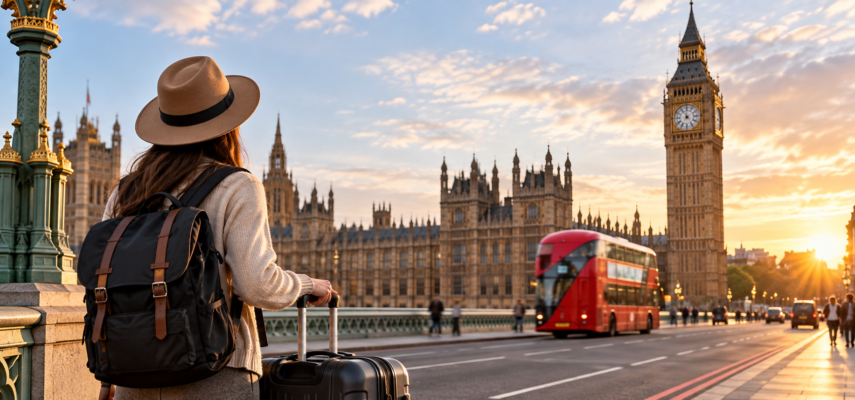

Image Credit: Unsplash
The moments between destinations are often the most overlooked parts of any trip. We tend to focus on the main events – the museums, the scenic hikes, the famous restaurants – but often treat the transitions as just something we have to get through. That long layover, the awkward gap before hotel check-in, or those final hours after checking out can feel like wasted time, especially when you’re stuck with your luggage. But with a few smart ideas, these in-between periods can actually turn from frustrating delays into bonus opportunities for exploring and relaxing.
Mastering Layover Logistics
A layover doesn’t have to mean a boring wait in a crowded terminal. Whether you’ve got a few hours or a whole day, you can turn this time into a mini-adventure. First, figure out how much time you really have. If it’s three hours or less, it’s usually best to stay inside the airport. Take some time to explore the terminals, find a quiet lounge, or enjoy a meal at a restaurant you can’t find back home. Many airports are pretty cool places these days, with art installations, gardens, and even movie theaters.
For longer layovers, you might have enough time to leave the airport and get a quick taste of the city. Before you do, a little research is important. Check if you need a visa for the country you’re in, even for a short visit. Calculate how long it’ll take to get to and from the city center, and make sure to add at least two to three hours to get back through security and to your gate. Knowing what to do during a layover can help you decide if it’s even worth the effort. If you do decide to explore, keep your plan clear and simple. Pick just one or two nearby attractions instead of trying to see an entire city in a few hours.
Pre-Check-in and Post-Check-out Freedom
One of the most common travel headaches is that gap between when you arrive or leave and when your accommodation lets you check in or out. Landing on an early morning flight only to find you can’t get into your room until 3 p.m. can really put a damper on your first day. Likewise, a late evening flight might mean you have to check out of your hotel in the morning and spend the rest of the day lugging your suitcases around. This is where thinking a bit like freedom in logistics can make your personal journey much smoother.
While some hotels might hold your bags, it’s not always convenient, especially if you’re staying in an Airbnb or want to explore somewhere far from your lodging. That’s where luggage storage services really shine. These services offer secure, handy spots to drop your bags for a few hours or even the whole day. For example, if you arrive by train in London, finding a service for Victoria station luggage storage means you can immediately start your adventure, totally unburdened. You could grab lunch in Belgravia, wander through St. James’s Park, or visit Buckingham Palace without your luggage dictating your plans. Booking a spot online lets you drop your bags at a verified local shop or cafe and enjoy complete freedom until it’s time to check in. You can also find practical ideas for how to travel lightly and sustainably when planning a trip with less baggage.
Optimizing Your Arrival Day
Your arrival day really sets the mood for the rest of your trip. Rushing from the airport into a jam-packed schedule is a recipe for exhaustion, especially if you’re dealing with a big time change. The secret to a great first day is to ease into your new environment. Once you’ve got your luggage sorted, focus on simple, low-stress activities.
Fighting off jet lag is a top priority. Health experts say one of the best strategies for jet lag is to get some natural daylight. A simple walk through a local park or along a scenic river can help your body’s internal clock adjust. Drink plenty of water and try to eat your meals at the local time, even if you don’t feel hungry. Avoid heavy, greasy foods that can make you feel sluggish.
Instead of booking a major tour or a fancy dinner reservation, keep your first day’s plans light. Take a walk and explore the neighborhood around your accommodation to get your bearings. Visit a local market; they’re great for observing daily life and grabbing a light, fresh snack. Find a cafe, sit back with a coffee or tea, and just people-watch. Or choose a smaller museum, a less crowded gallery, or a small, specialized spot that you can browse at a relaxed pace.
The goal isn’t to tick off a bunch of items, but to get comfortable in your new surroundings. This gentle start will leave you feeling energized and ready for bigger plans in the days to come.
Departure Day Without the Drag
The last day of a trip should feel like a nice conclusion, not a frantic dash to the airport. Too often, travelers spend their final hours watching the clock in a coffee shop, with their bags piled up beside them. Using the same approach as your arrival day helps you reclaim this time and make it a memorable part of your vacation. After checking out of your hotel or rental, find a secure place to store your luggage. This simple step frees you up to enjoy a full day of activities.
Use these final hours to do things you might have missed. Maybe there’s a neighborhood you wanted to explore more, or a shop you meant to visit for souvenirs. It’s the perfect chance to revisit a favorite spot, whether it’s a park bench with a great view or a bakery with an unforgettable pastry. Enjoy a long, leisurely final meal at a restaurant you’ve been wanting to try, without the stress of keeping an eye on your belongings. This way, your departure day turns from a waiting game into a bonus day of your vacation. When it’s time to go, you can pick up your bags and head to the airport feeling relaxed and fulfilled, ending your trip on a positive note.
The Value of Flexibility
Ultimately, getting good at handling travel transitions means embracing flexibility. A rigid itinerary with every minute scheduled can actually cause more stress than it prevents. When a flight is delayed or a museum is unexpectedly closed, a tight schedule can completely fall apart. Building in some buffer time and flexible options lets you adapt to the unexpected and even discover new opportunities. This mindset is becoming more and more important, and many travelers are learning how to book flexible travel to better handle unforeseen changes.
Flexibility means being able to say “yes” to a spontaneous invitation or to linger longer in a place you’ve fallen in love with. It’s about having the freedom to change your plans without messing up your entire trip. Using luggage storage gives you the flexibility to explore without being weighed down. Planning for layovers gives you the flexibility to either rest or have a mini-adventure. Keeping your first and last days open gives you the flexibility to ease into and out of your trip gracefully. Seeing these “in-between” moments not as problems to solve but as opportunities to grab helps you unlock a more relaxed and rewarding way to travel.
The best trips are often defined by those small, unplanned moments just as much as the big attractions. By managing your transitions with a little care, you create more space for those moments to happen, making sure every part of your journey is enjoyable.