










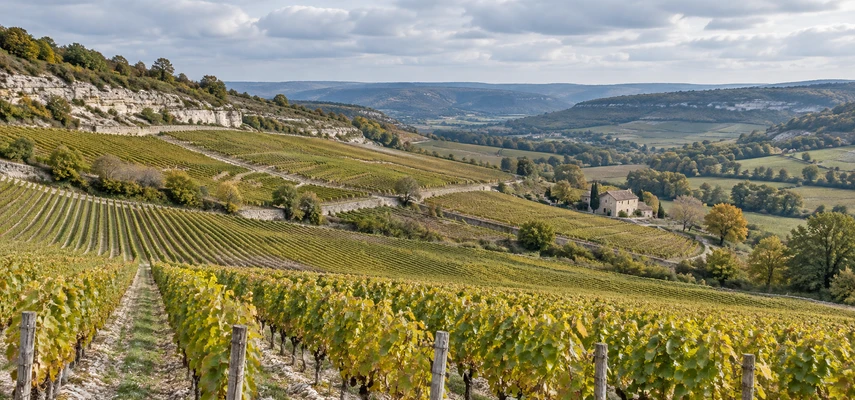

How can a crisp, lemony Chablis and a creamy California white both be Chardonnay? Chardonnay explained properly is a lesson in separating the grape from its treatment. Climate shapes the fruit; harvest and winemaking shape what happens to that fruit. The name on the grape doesn’t come with a compulsory stick of butter.
This is Article #4 of The TFE Guide to WSET Level 2 Wine, Part II: The Eight Principal Grape Varieties. We’ll follow Chardonnay through its prescribed regions, using acidity, fruit character and production choices to explain the differences. The aim is a set of comparisons you can use, rather than an aroma list you can recite and immediately forget.
What WSET Level 2 expects you to know
Learning Outcome 3 asks you to describe the grape, connect environmental and production influences to style, compare the specified regions and understand relevant label terms. The current specification supplies the regional checklist. That list includes more than Chablis and Napa, so the revision table below deliberately retains every assigned geographical indication.
For Chardonnay, concentrate on three linked questions. How ripe is the fruit? How much acidity remains? What has the producer done with oak, malolactic conversion and lees? These explain much more than the claim that Chardonnay is always either “crisp” or “buttery.”
The grape: adaptable without being flavourless
Chardonnay is a white grape capable of producing several styles across cool, moderate and warm conditions. Its fruit character can range from green apple and citrus through peach to tropical fruit. It is often less overtly aromatic than Sauvignon Blanc or Riesling, which gives production choices considerable room to show.
“Less aromatic” doesn’t mean no character. Think of a voice that can carry different arrangements without disappearing. Chardonnay can make a refreshing, relatively restrained wine or a broad, complex one. The useful work is identifying which influences explain the version in front of you.
It buds and ripens relatively early. Early budburst can expose new growth to spring frost, while thin skins make bunch rot a concern. Those growing characteristics help explain why matching the site and managing vineyard conditions matter even for an adaptable grape.
Typical still examples are dry, with body and alcohol varying according to climate, ripeness and production. Acidity is especially important in cooler styles; riper examples can feel fuller. As with other whites, high tannin isn’t its defining structure. Don’t borrow the texture expectations of Cabernet Sauvignon simply because both wines can be matured in oak.
Climate changes the fruit before oak enters the story
In cooler conditions, Chardonnay commonly shows fresher green-fruit and citrus associations with higher retained acidity. With more warmth and ripeness, stone-fruit and tropical associations become more likely, and greater sugar accumulation can support more alcohol if fermented dry.
These are tendencies rather than national rules. A coastal site in a warm country may be cooler than an inland site elsewhere. Altitude, exposure and picking date also matter. “New World” isn’t a temperature reading, and “California” doesn’t describe one uniform vineyard.
Harvest choices can shift the balance within a site. Earlier picking may retain more acidity; waiting can bring riper fruit but also changes the sugar-acid balance. The producer seeks material suitable for the intended wine, rather than maximum ripeness for its own sake. That’s the vineyard reasoning from Article #2, now attached to a particular grape.
Oak, malolactic conversion and lees: identify the source
Oak can contribute aromas associated with vanilla, toast or spice. New wood usually has more obvious impact than repeatedly used wood; barrel size and toast also influence the result. Fermenting or maturing in oak doesn’t make a wine automatically better or sweeter.
Malolactic conversion changes malic acid into lactic acid through bacterial activity. It can soften the impression of acidity and contribute buttery character. That flavour is therefore a clue to a production choice, not proof that the Chardonnay grape naturally tastes of butter in every vineyard.
Lees contact can add texture and influence character. Producers may stir the sediment through the wine, but lees work, oak and malolactic conversion are separate options. A wine can show one without all the others. A restrained oak treatment and partial malolactic conversion may produce a very different balance from full malolactic conversion and strong new-oak influence.
An unoaked wine can emphasize fruit and freshness, while an oaked example may combine fruit with secondary character. Avoid treating them as opposing quality categories. The best question is whether the components work together, not whether a barrel appears somewhere in the production notes.
Burgundy: learn the place names as Chardonnay clues
France’s prescribed list also includes Pays d’Oc, a PGI from the south. It provides a useful broader-origin comparison with the Burgundy appellations, including fruit-led Chardonnay for earlier drinking. Don’t mistake every French Chardonnay for white Burgundy simply because the grape is the same.
Bourgogne is the French name for Burgundy. Many white Burgundy labels emphasize place rather than spelling out Chardonnay. Recognizing the specified appellations therefore helps you connect an unfamiliar-looking label to a familiar grape. The Bourgogne wine board’s Chardonnay overview explains its regional range.
Chablis, in the cooler north, is a classic reference for dry Chardonnay with high acidity and citrus or green-fruit character. Oak can be used in some examples, especially more ambitious wines, so “Chablis means no oak under any circumstances” is an unsafe shortcut.
Puligny-Montrachet and Meursault are important Côte de Beaune names associated with high-quality Chardonnay, where oak and texture-building choices can matter. Learn both as Chardonnay places before trying to impose a rigid sensory distinction between every producer in each village. Site, vintage and production can create variation within the names.
Mâcon and Pouilly-Fuissé belong to the more southerly Mâconnais context. Riper fruit and a broader impression can provide a useful comparison with Chablis, but producer decisions still matter. Pouilly-Fuissé is Chardonnay; Pouilly-Fumé, which appears in the Sauvignon Blanc article, is a different place and grape association. Those accents are doing a surprising amount of exam-revision work.
Burgundy labels and the meaning of quality
Premier Cru and Grand Cru are vineyard-classification terms in Burgundy, not indications of sweetness or a compulsory amount of oak. They concern classified origins within the regional system. They don’t mean the same thing as every occurrence of “Grand Cru” elsewhere in France.
For a comparison question, distinguish general regional origin from more specific appellations and classifications. More specific origin can accompany wines of higher potential quality and price, but a label term doesn’t replace assessment of the actual wine. Nor should you invent a classification level for a named wine simply because it is expensive or famous.
California and Oregon: warmth with important qualifications
California supplies a broad range, including ripe, full-bodied Chardonnay with oak influence and fresher styles from cooler sites. Napa Valley and Sonoma are important names, but neither is a single climate. Los Carneros spans parts of Napa and Sonoma and benefits from cooling influences near San Pablo Bay.
Santa Barbara County also includes sites affected by the Pacific, helping explain why a southerly latitude doesn’t automatically mean a hot vineyard. Oregon provides a cooler regional comparison within the United States. WSET’s US Chardonnay discussion describes the importance of site and style.
Compare an explicitly rich, oaked California example with a restrained Chablis by separating fruit ripeness, acidity, body and secondary flavours. Don’t claim every Californian bottle has the first profile. The comparison is between specified styles, not passports.
Chile and South Africa: broad origins, cooler sites
Chile’s Central Valley is a broad origin associated with substantial wine production. Casablanca Valley provides an important cooler, coast-influenced Chardonnay reference. The useful connection is how cooling can preserve freshness despite Chile’s broader warm, sunny associations.
In South Africa, learn Western Cape as the broad prescribed origin and Walker Bay as a more specific, cooler-influenced reference. Again, a broad geographical indication can encompass varied sites and styles. Don’t assume the larger label tells you exactly how much oak, acidity or alcohol the wine must have.
When revising these pairs, say the hierarchy aloud: broad origin, then the more specific place that helps illustrate climatic variation. It prevents a common memory problem in which every regional name becomes an unrelated entry on a long list.
Australia and New Zealand: several expressions, one grape
South Eastern Australia is a broad prescribed origin. Alongside it, learn Yarra Valley, Adelaide Hills and Margaret River as important Chardonnay regions. Cooler sites can retain bright acidity, while oak, lees and malolactic choices create varied textures. Wine Australia’s regional discussion shows why one old-fashioned stereotype of Australian Chardonnay is inadequate.
Adelaide Hills uses elevation as an important cooling influence; Yarra Valley includes varied sites and exposures. Margaret River has a maritime setting and a strong Chardonnay reputation. These are different explanations of suitable conditions, not three spellings of the same climate.
New Zealand’s prescribed Chardonnay associations are Marlborough and Hawke’s Bay. Both can produce concentrated, textured wines; regional conditions and production choices affect the balance. The national wine body’s overview emphasizes the variety’s range. Don’t let Marlborough’s Sauvignon Blanc fame erase its Chardonnay from your revision.
Comparing style and quality without shortcuts
Try building two hypothetical notes. One describes citrus fruit, high acidity, medium body and restrained secondary character. The other describes ripe peach, fuller body, toast and a creamier impression. Explain which climate and production choices could help create each, while accepting that one clue rarely proves a whole recipe.
For quality, look at balance, intensity, complexity and persistence rather than rewarding oak alone. Some wines can develop attractive tertiary character with age; many are intended for earlier drinking. Honeyed or nutty development can appear in mature examples, but age doesn’t rescue weak fruit or guarantee improvement.
Common mistakes and exam traps
Chablis is Chardonnay, not a separate grape. Pouilly-Fuissé isn’t Pouilly-Fumé. Chardonnay isn’t always oaked, butter isn’t automatically an oak flavour, and full body doesn’t imply high tannin. Finally, don’t collapse every southern-hemisphere wine into a single ripe-fruit style. The point of the regional list is to learn meaningful variation.
Knowledge check: 10 original practice questions
Choose one answer each. These independent questions support LO3, with production concepts from LO2.
1. Which grape makes Chablis?
- Chardonnay.
- Sauvignon Blanc.
- Riesling.
- Pinot Grigio.
2. Which description best fits a classic cooler-climate Chardonnay tendency?
- No acidity and high tannin.
- Fresher citrus or green fruit with higher retained acidity.
- Mandatory sweetness.
- Compulsory tropical fruit and maximum oak.
3. Which process can contribute buttery character?
- Bottle labelling.
- Pruning alone.
- Malolactic conversion.
- Removing every acid before fermentation.
4. Which statement about Chardonnay is correct?
- All examples must use new oak.
- It is always sweet.
- It must have high tannin.
- Both unoaked and oaked styles exist.
5. Which place is associated with Chardonnay rather than the similarly named Sauvignon Blanc appellation?
- Pouilly-Fuissé.
- Pouilly-Fumé.
- Sancerre.
- Touraine Sauvignon Blanc.
6. Which pair belongs to the Côte de Beaune Chardonnay study list?
- Mosel and Pfalz.
- Puligny-Montrachet and Meursault.
- Sancerre and Pouilly-Fumé.
- Rioja and Priorat.
7. Which Chilean place provides a cooler coastal Chardonnay reference?
- Mendoza.
- Tokaj.
- Casablanca Valley.
- Barolo.
8. Which set contains only prescribed Australian Chardonnay regions?
- Mosel, Rheingau, Pfalz.
- Barolo, Gavi, Soave.
- Sancerre, Chablis, Touraine.
- Yarra Valley, Adelaide Hills, Margaret River.
9. What do Premier Cru and Grand Cru concern in Burgundy?
- Classified vineyard origins.
- A requirement for sweetness.
- A universal recipe for buttery wine.
- The number of fermentations in a tank.
10. Which New Zealand pair belongs in Chardonnay revision?
- Coonawarra and Clare Valley.
- Marlborough and Hawke’s Bay.
- Maipo and Colchagua.
- Mosel and Eden Valley.
Answers and explanations
1. A — Grape and origin; LO3. Chablis is an important Chardonnay appellation, rather than the name of another variety.
2. B — Climate; LO3. Cooler conditions generally favour freshness and acid retention, without mandating one exact wine profile.
3. C — Production; LO2/3. Bacterial malolactic conversion can reduce acidity and contribute buttery aromas.
4. D — Style range; LO3. Oak is a choice, not a universal requirement or guarantee of quality.
5. A — Regional distinction; LO3. Pouilly-Fuissé is the Chardonnay association; Pouilly-Fumé is the Sauvignon Blanc association.
6. B — Burgundy geography; LO3. Both are prescribed Burgundy Chardonnay origins, whereas the other pairs belong elsewhere.
7. C — Chile; LO3. Casablanca Valley supplies the relevant cooler, coast-influenced comparison within Chile.
8. D — Australia; LO3. All three appear in the assigned Chardonnay list and offer useful regional contrasts.
9. A — Label terms; LO3. These refer to classified origins; they don’t prescribe sweetness or a fixed oak treatment.
10. B — New Zealand; LO3. Both Marlborough and Hawke’s Bay are prescribed Chardonnay associations.
One-page revision summary
| Country | Required Chardonnay origins | Comparison to remember |
|---|---|---|
| France | Pays d’Oc; Bourgogne/Burgundy; Chablis; Puligny-Montrachet; Meursault; Mâcon; Pouilly-Fuissé | Cool Chablis versus more southerly Burgundy; production varies |
| USA | California; Sonoma; Los Carneros; Napa Valley; Santa Barbara County; Oregon | Broad origins contain cooler sites; avoid one California stereotype |
| Chile | Central Valley; Casablanca Valley | Broad origin versus cooler coastal reference |
| South Africa | Western Cape; Walker Bay | Broad origin versus cooler-influenced specific region |
| Australia | South Eastern Australia; Yarra Valley; Adelaide Hills; Margaret River | Broad origin, elevation, varied sites and maritime influences |
| New Zealand | Marlborough; Hawke’s Bay | Chardonnay matters alongside each region’s other varieties |
Remember the three controls: fruit ripeness, retained acidity and production choices. Then attach the place names to those explanations. Chardonnay becomes much easier when you stop asking it to taste the same everywhere.











