










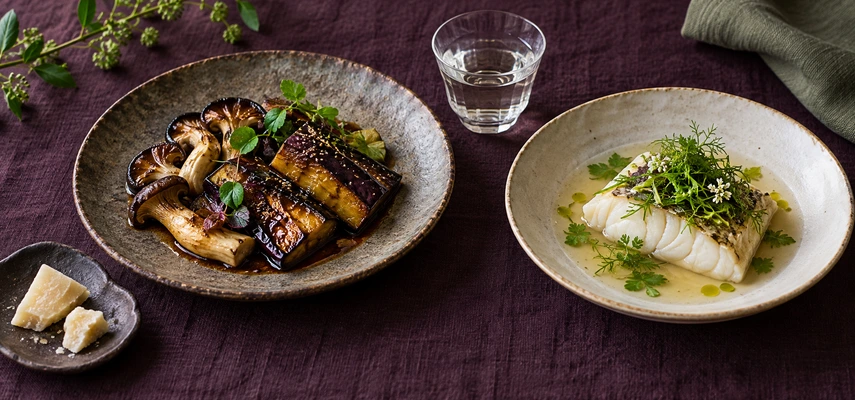

The fish is delicate until someone adds a thick sweet glaze. Then it becomes a different pairing problem. Food and sake pairing works best when it starts with the actual dish on the plate, including sauce, seasoning and preparation, rather than the main ingredient’s name alone.
For Level 1, three considerations matter most: personal preference, flavor intensity and sweetness. They form a practical conversation, not a set of commands. Ask what the person enjoys, whether food and sake can stand beside each other, and how their sweetness levels interact.
Sake pairing begins with personal preference
A pairing can make technical sense and still disappoint someone who dislikes that sake style. Personal preference is therefore part of the prescribed syllabus, not a reluctant exception to expert advice. The purpose is a satisfying meal for the person drinking.
Ask simple questions. Does the guest enjoy delicate fruit aromas or savory depth? Do they prefer a drier impression or noticeable sweetness? Would they like chilled sake, or are they interested in a suitable warm style? Answers provide more useful direction than assuming everyone wants the most expensive bottle.
Preference also includes choosing not to drink alcohol. The pairing principles can be studied through written examples, and an enjoyable meal does not require alcoholic consumption. No separately assessed tasting examination forces a learner to test every suggestion personally.
Match flavor intensity before chasing a clever aroma
Flavor intensity concerns how strongly the dish and drink present themselves. A very delicate sake can disappear beside a powerful sauce. A concentrated, strongly flavored sake may dominate a lightly seasoned preparation. Matching intensity helps both remain recognizable.
This is not a rigid rule that every element must have identical strength. It is a way to avoid obvious imbalance before refining a pairing. A subtle contrast can be pleasant once neither side is overwhelmed. First establish that the two can share the table.
The JSS basic pairing guide uses the straightforward principle of delicate with delicate and rich with rich. Treat it as a starting point for reasoning. The actual examples still depend on production, cooking, portion and individual taste.
The sauce may be the loudest ingredient
Compare steamed white fish with a little salt to the same fish under a sweet, charred glaze. The protein is unchanged, but the finished flavor intensity and sweetness are not. A recommendation based only on fish misses the part of the dish doing most of the talking.
Preparation can also change texture and aroma. Grilling brings a different impression from steaming; a cream sauce changes the experience from a clear broth. Seasonings such as miso, chili or a reduction may become more influential than the ingredient named first on the menu.
For a useful service question, ask how the dish is prepared and what accompanies it. Then describe the dominant character: delicate and lightly seasoned, rich and savory, sweetly glazed, or strongly aromatic. This gives the sake selection something concrete to match.
Sweetness changes the balance
Sweet food can make a comparatively dry drink seem less generous or more austere. A useful starting point is to choose a sake with enough sweetness to remain balanced beside the food. This does not mean every sweet dish requires the same kind of sweet sake.
Judge the whole dish, including glaze and sauce. A fruit dessert with tartness is different from a dense caramel pudding; both are sweet, but their intensity and texture differ. Likewise, two sweet sakes can have different acidity, aroma and weight.
The NRIB pairing introduction discusses sweetness and balance. For study, avoid confusing fruity aroma with sugar. A pear-scented ginjō may taste fairly dry, so its smell alone does not prove it will stand comfortably beside a sweet dessert.
Use actual sake character rather than grade alone
Grade describes controlled production conditions such as polishing and ingredient restrictions. It does not fix one sweetness or intensity. Junmai can range widely, and ginjō can combine pronounced aroma with a comparatively light palate. A pairing needs the actual sensory profile.
Specialty styles also require interpretation. Nigori supplies cloudiness and rice-particle texture, not compulsory sweetness. Sparkling sake supplies bubbles, not one alcohol strength or premium grade. Koshu can offer developed nutty or caramel-like notes, but not every matured example is equally rich or sweet.
Producer descriptions are useful when a tasting sample is unavailable. Look for plain information about sweetness, body, aroma and suggested service. A precise description does more work than a vague promise that the bottle is premium and therefore matches everything.
Hypothetical pairing: delicate fish and fragrant sake
Imagine lightly steamed fish with a small amount of fresh herb and a restrained dressing. A light, delicately aromatic sake could keep the food visible while offering a gentle fruity or floral dimension. Chilled service may suit that bottle’s intended style.
Now add a strong sweet glaze. The earlier recommendation needs reconsideration because sweetness and intensity have changed. A somewhat fuller sake with enough sweetness may provide a better starting point. The fish did not change category, but the dish changed its pairing demands.
These are original teaching scenarios, not guaranteed restaurant matches. A diner who dislikes aromatic sake may prefer a more restrained style even with the delicate version. The three considerations work together: intensity narrows options, sweetness refines them, and preference determines usefulness.
Hypothetical pairing: mushrooms and savory depth
Consider roasted mushrooms in a rich savory sauce. A rounded sake with noticeable umami and sufficient flavor intensity may offer a comfortable match. A particularly delicate floral example could feel lost beside the roast and sauce, even if its grade sounds more prestigious.
The JSS professional pairing discussion explains sake’s savory contribution in wider context. Level 1 does not require memorizing molecular interactions to make a practical recommendation. Recognizing that the dish and drink both have substantial character is enough to begin.
Then check sweetness. If the mushroom sauce has a pronounced sweet glaze, the sake choice may need adjusting. A savory food is not automatically free of sugar, and a savory sake is not automatically dry. Describe the dominant tastes rather than making assumptions from one word.
Hypothetical pairing: cheese and matured sake
A firm aged cheese and a rich matured sake can share a developed, nutty or savory impression. This is one possible route to a coherent pairing outside Japanese cuisine. It shows why sake need not be restricted to sushi or a single national menu.
However, cheese is not one flavor. Fresh mild cheese, hard aged cheese and assertive blue cheese differ sharply. Koshu is also diverse. A specific pairing should consider the actual products, their intensity and whether sweetness helps or overwhelms the combination.
The useful lesson is an approach, not a compulsory match. If the drinker dislikes developed aromas, another sake may work better. A technically interesting similarity is not a reason to ignore the person at the table.
Hypothetical pairing: sweetness and dessert
Imagine a modestly sweet fruit dessert beside two sakes: one delicate and quite dry, the other noticeably sweet with sufficient flavor. The sweeter option is often the more promising starting point because the dessert may make the dry example seem leaner or harsher.
Now make the dessert a very intense chocolate dish. Sweetness alone no longer settles the question; the sake also needs enough flavor intensity. A light sweet drink may still disappear. The three-part method prevents a single successful principle from being stretched beyond its usefulness.
If no available sake offers a pleasing match, serve it at another point in the meal or choose another beverage. Pairing skill includes recognizing when an option is not compelling. There is no obligation to force one bottle through every course.
Temperature and texture refine the choice
Service temperature can alter perceived aroma, sweetness and texture, so it can refine a promising pairing. A suitable rounded sake may be enjoyable gently warmed beside a savory dish. A delicate aromatic example may work best chilled. Follow the producer’s guidance rather than applying a blanket hot-food/hot-sake rule.
Texture also contributes. Bubbles can provide a lively contrast, and fine rice particles can create a creamy impression. These observations offer additional possibilities after the three required considerations are addressed. They should not become elaborate rules that obscure the basic balance.
Make one adjustment at a time when comparing options. If the sake, temperature, sauce and portion all change together, it becomes difficult to explain why the pairing improved. A clear comparison teaches more than an impressive assortment without a question behind it.
A short recommendation that explains itself
Try giving a recommendation in three sentences. First, identify the dish’s dominant intensity and sweetness. Second, describe the sake’s relevant character. Third, connect the choice to the guest’s preference. This makes the reasoning reviewable rather than hiding it behind authority.
For example: the glaze makes this dish richer and sweeter than plain grilled fish. This sake has a rounded palate and enough sweetness to stay balanced. Because you prefer restrained aromas, it is a more promising starting point than the highly floral alternative. The example remains a suggestion, not a guarantee.
One-page revision summary
Personal preference, flavor intensity and sweetness are the three prescribed considerations. Pair the complete dish, especially its sauce, rather than the ingredient name alone. Delicate with delicate and richer with richer are useful starting points. Sweet food can make a dry sake seem less balanced, so assess actual sweetness rather than fruit aroma. Grade does not determine one profile. Refine with temperature and texture, and keep the recommendation centered on the diner.
Continue your sake studies
Knowledge check: 10 original practice questions
Independent TFE questions, not official WSET examination items. Choose one answer per question; explanations follow separately.
1. Which three considerations are prescribed for Level 1 pairing?
- Personal preference, flavor intensity and sweetness
- Price, bottle height and label color
- Rice farm size, shipping day and glass weight
- Only national cuisine
2. Why ask about a dish’s sauce?
- Sauce never affects pairing
- It may dominate sweetness and intensity
- It determines rice polishing
- It proves the sake grade
3. What is a useful intensity starting point?
- Strongest sake with every dish
- Always delicate with rich
- Delicate with delicate and richer with richer
- Only expensive bottles with meat
4. Why does fruity aroma not settle dessert pairing?
- Fruit aromas are always faults
- All ginjō is sweet
- Desserts have no intensity
- Aroma does not establish the sake’s sweetness
5. What can sweet food do to a relatively dry drink?
- Make it seem less generous or more austere
- Turn it into junmai
- Remove all alcohol
- Change its polishing ratio
6. What should happen if a guest dislikes the proposed style?
- Ignore the guest
- Find an option consistent with their preference
- Insist the pairing is objectively compulsory
- Only change the label
7. Does nigori always provide the sweetness needed for dessert?
- Always
- Only in ceramic cups
- No, its sweetness varies
- Yes because cloudy means sugar
8. Which information most directly helps choose a pairing?
- Bottle color alone
- Grade alone
- Label artwork alone
- Actual aroma, palate, sweetness and intensity
9. Can sake pair with food outside Japanese cuisine?
- Yes, the same preference and balance principles apply
- No, ingredients must share nationality
- Only if distilled
- Only if served boiling
10. Why change one variable at a time during comparison?
- To guarantee an official pass
- To understand which adjustment affected the result
- To prevent all preference
- To prove one bottle matches every meal
Answers and explanations
1. A — Personal preference, flavor intensity and sweetness. The syllabus specifically names preference, intensity and sweetness as the key considerations. Mapping: LO3.
2. B — It may dominate sweetness and intensity. The finished preparation can matter more than the name of the main ingredient. Mapping: LO3.
3. C — Delicate with delicate and richer with richer. A compatible intensity helps avoid one side overwhelming the other. Mapping: LO3.
4. D — Aroma does not establish the sake’s sweetness. A fragrant sake may still be quite dry and become less balanced beside sweet food. Mapping: LO3.
5. A — Make it seem less generous or more austere. The food’s sweetness changes the perceived balance, so enough sake sweetness is a useful starting point. Mapping: LO3.
6. B — Find an option consistent with their preference. Personal preference is a central pairing consideration, not an obstacle to correct service. Mapping: LO3.
7. C — No, its sweetness varies. Nigori’s defining cloudiness and particles do not establish a fixed sugar level. Mapping: LO3.
8. D — Actual aroma, palate, sweetness and intensity. The actual sensory profile supports a useful match more directly than packaging or prestige. Mapping: LO3.
9. A — Yes, the same preference and balance principles apply. Intensity and taste relationships are not confined to one cuisine. Mapping: LO3.
10. B — To understand which adjustment affected the result. Controlled comparison makes the cause of a changed pairing easier to explain. Mapping: LO3.












