











A practice mark is useful only if it reveals what to study next. The WSET Level 1 Sake exam rewards clear distinctions: rice remaining versus rice
Continue ReadingFood and Sake Pairing Explained: Flavor Intensity, Sweetness, and Preference
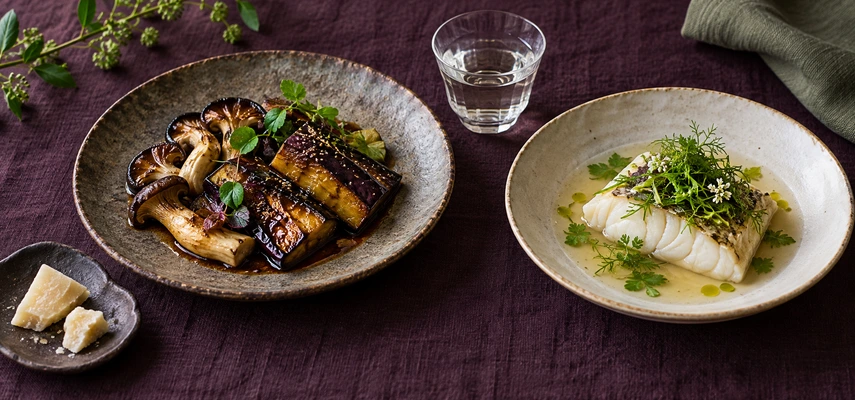
The fish is delicate until someone adds a thick sweet glaze. Then it becomes a different pairing problem. Food and sake pairing works best when it
Continue ReadingHow to Serve Sake: Chilled, Warm, Hot, and Traditional Vessels
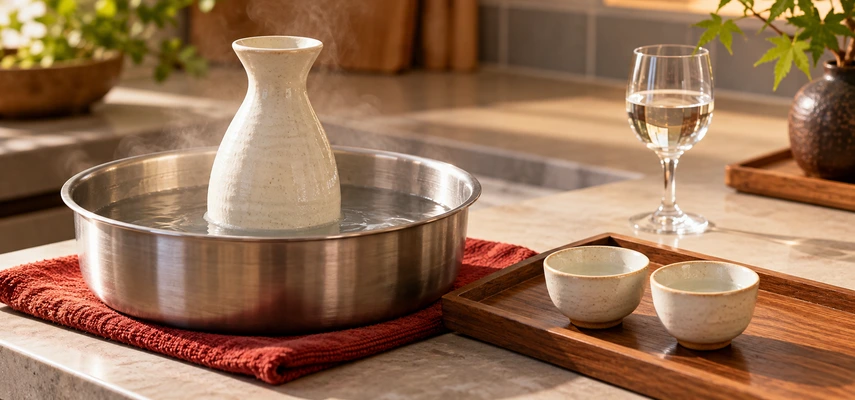
The same sake can feel like a different drink as its temperature changes. Learning to serve sake means choosing which parts of its character to br
Continue ReadingHow to Store Sake Properly: Freshness, Temperature, and Common Faults
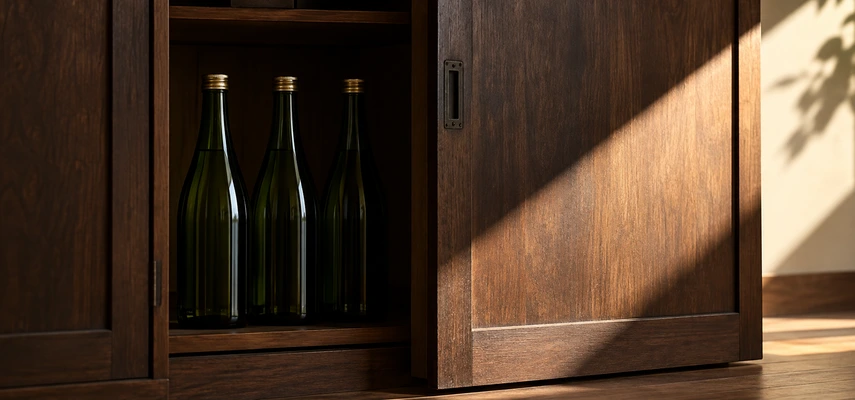
A sake bottle can look immaculate while the drink inside is losing the character its maker intended. Learning to store sake is therefore part of l
Continue ReadingNama and Koshu Sake Explained: Unpasteurised and Matured Styles
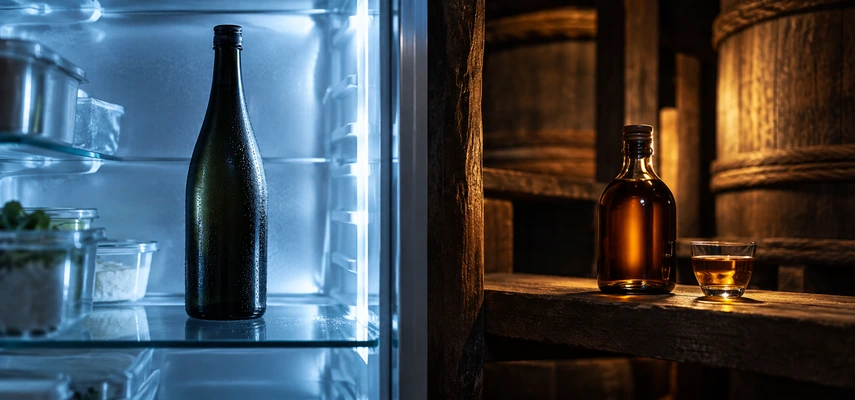
A fresh bottle can become tired, and an old bottle can be exactly what its maker intended. Nama and koshu explain why age alone is a poor guide to
Continue ReadingNigori and Sparkling Sake Explained: Cloudiness, Bubbles, and Style

One sake looks milky. Another sends a stream of bubbles up the glass. Neither observation tells you how sweet the drink must be. Nigori and sparkl
Continue ReadingHow to Read Sake Labels: Japanese Terms, Grades, and What They Mean
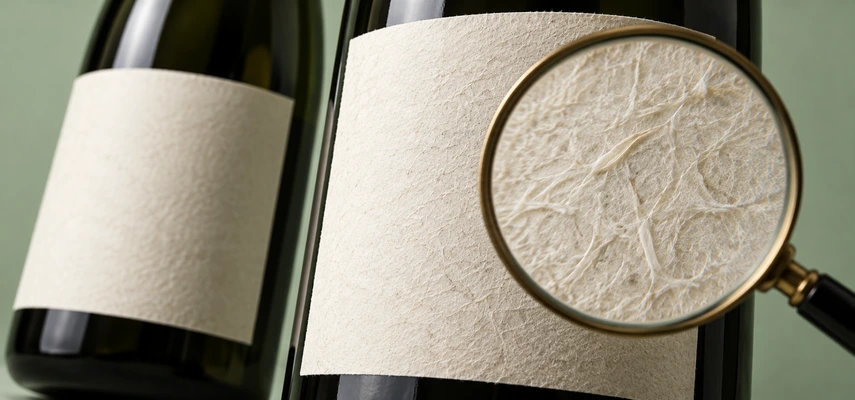
You do not need to read an entire Japanese label to extract useful information from it. Sake labels often contain a few recurring character groups
Continue ReadingGinjō and Daiginjō Sake Explained: Polishing, Aromas, and Premium Styles
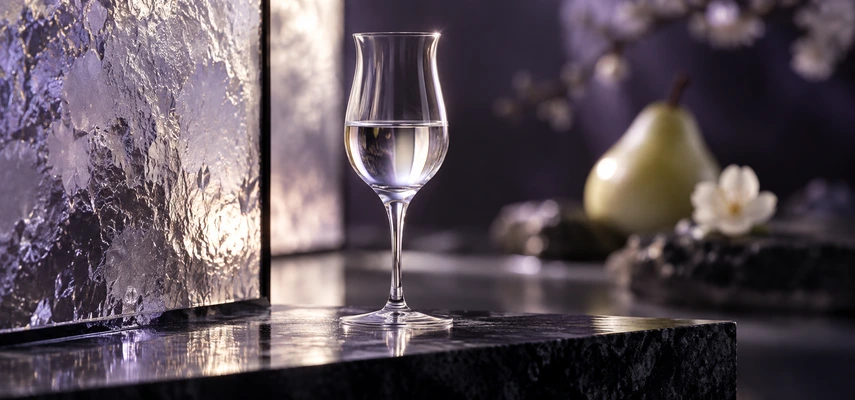
A rice number can tell you how much grain remained, but it cannot promise the smell of a pear. Ginjō and daiginjō premium styles connect extensi
Continue ReadingJunmai vs. Honjōzō Sake: Understanding Alcohol Addition
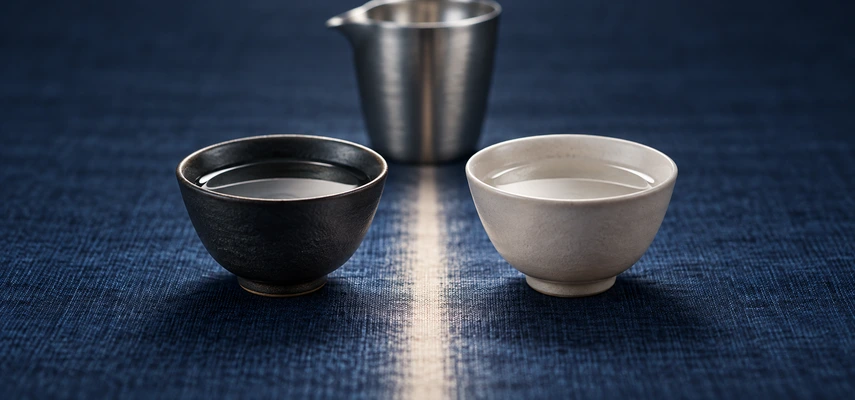
Junmai sounds reassuringly simple: pure rice. Yet the sake contains water, it relies on kōji and yeast, and it certainly contains alcohol. The ph
Continue ReadingSake Grades Explained: Futsū-shu, Premium Sake, and Rice Polishing Ratios
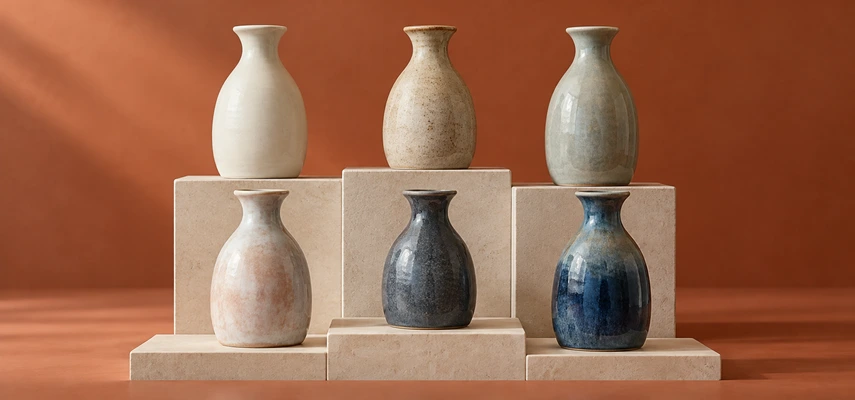
A sake grade is useful information, but it cannot tell you whether tonight's dinner needs a delicate floral drink or a savory, rounded one. Sake g
Continue Reading








