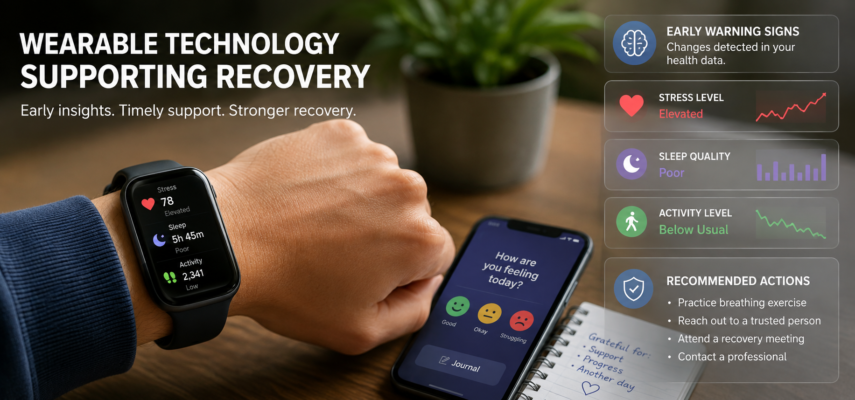
Recovering from addiction is a continuous process that requires commitment, self-awareness and the right support network. While therapy, peer support groups and lifestyle changes remain central to long-term recovery, advances in wearable technology are creating new opportunities to help people stay on track.
Smartwatches, fitness bands and other wearable devices can now monitor everything from heart rate and sleep patterns to stress levels and physical activity. Researchers are exploring whether this data could help identify the early warning signs of relapse before someone returns to alcohol, drugs or other addictive behaviours.
It’s thought that this could complement treatment for ketamine rehab and alcohol addiction, becoming a valuable tool in supporting recovery.
Relapse Is Often a Process
Many people think of relapse as a single event, but it is usually a gradual process. Emotional and behavioural changes often occur days or even weeks before someone begins using substances again.
Increased stress, poor sleep, social withdrawal, anxiety and disrupted daily routines are all common warning signs. By recognising these changes early, individuals can take action before the situation escalates.
This is where wearable technology may prove particularly useful. Rather than relying solely on someone noticing these changes themselves, wearable devices can continuously collect health data that may highlight subtle shifts in wellbeing.
Monitoring Stress Levels
Stress is one of the most common relapse triggers. Financial worries, relationship difficulties, workplace pressures or major life events can all increase the risk of returning to substance use.
Many modern wearables measure heart rate and heart rate variability, both of which can provide insights into how the body is responding to stress. A consistently elevated resting heart rate or reduced heart rate variability may suggest that someone is experiencing prolonged physical or emotional strain.
Some devices also offer guided breathing exercises or mindfulness reminders when they detect increased stress, encouraging users to pause and regulate their emotions before stress becomes overwhelming.
The Importance of Sleep Tracking
Sleep and recovery are closely linked. Poor sleep can affect mood, concentration, emotional regulation and decision-making, all of which are important during addiction recovery.
Wearable devices can monitor sleep duration and quality, helping users identify patterns that may increase their vulnerability. For example, several nights of poor-quality sleep may coincide with increased cravings, irritability or anxiety.
By recognising these trends, individuals can prioritise healthier sleep habits or seek additional support before sleep deprivation begins to affect their recovery.
Recognising Changes in Daily Routine
Consistency often plays a vital role in maintaining sobriety. Regular exercise, healthy eating and structured daily routines can provide stability during recovery.
Wearable technology allows users to monitor their physical activity and establish realistic health goals. A sudden drop in activity levels or prolonged periods of inactivity may indicate declining motivation or worsening mental wellbeing.
While reduced activity does not necessarily mean relapse is imminent, it can serve as a prompt for individuals to reflect on how they are feeling and whether they need to reconnect with their support network.
Combining Technology with Recovery Apps
Many wearable devices can now connect directly with smartphone recovery apps, creating a more comprehensive picture of an individual’s wellbeing.
These platforms may combine physiological information with mood tracking, journalling and daily check-ins. Some systems are even beginning to use artificial intelligence to identify behavioural patterns that could indicate an increased risk of relapse.
For example, if wearable data shows poor sleep, elevated stress and reduced activity over several days, an app might encourage the user to contact a trusted friend, attend a recovery meeting or speak with a healthcare professional.
This proactive approach could help prevent small challenges from developing into more serious setbacks.
Technology Has Its Limits
Despite its promise, wearable technology cannot predict relapse with complete accuracy.
Changes in heart rate, sleep or activity can result from many everyday factors, including illness, travel, work commitments or exercise. Wearable devices cannot understand personal emotions, relationship problems or complex life circumstances in the same way that trained professionals can.
For this reason, wearable technology should always be viewed as an additional source of information rather than a diagnostic tool. Professional treatment, counselling, peer support and strong personal relationships remain essential components of successful recovery.
A Promising Future for Recovery Support
As wearable technology continues to evolve, its role in addiction recovery is likely to expand. More sophisticated sensors, improved artificial intelligence and personalised health insights may allow people to recognise warning signs earlier and respond before relapse occurs.
Although no device can guarantee long-term sobriety, wearable technology has the potential to strengthen recovery by encouraging greater self-awareness, healthier routines and earlier intervention. Used alongside evidence-based treatment and supportive relationships, it could become an increasingly valuable companion for individuals working towards lasting recovery.