










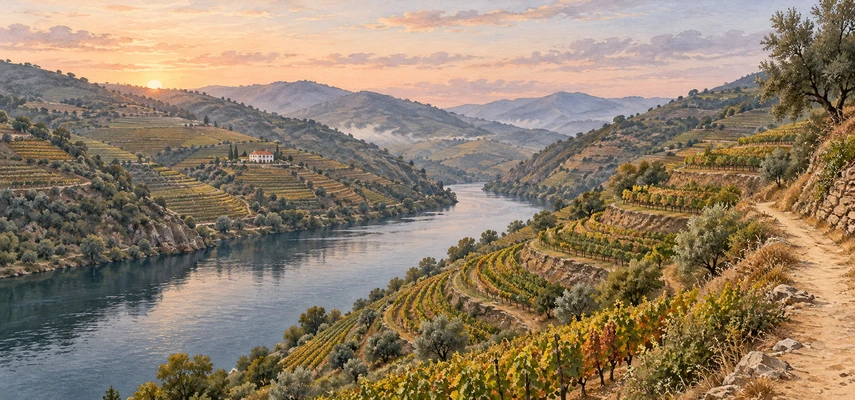
Vinho Verde and the Douro show how much can change within northern Portugal. Atlantic moisture helps frame one discussion; sheltered inland valley
Continue ReadingSpain’s Mediterranean and Central Regions Explained: Catalunya, Valencia, Murcia, Aragón, and Castilla-La Mancha
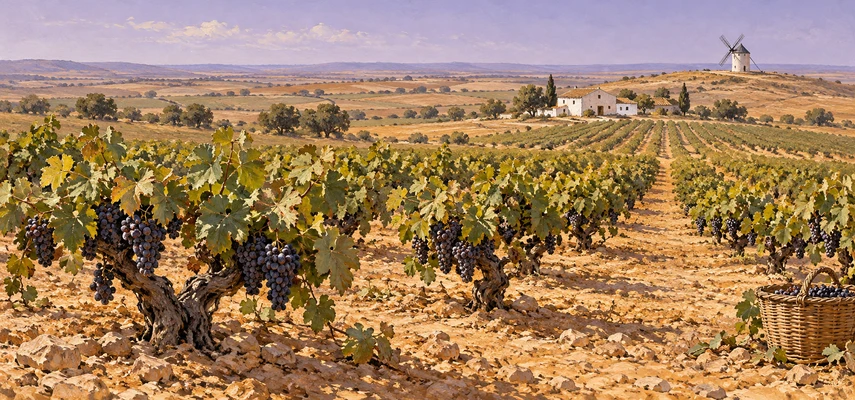
Spain's Mediterranean and central regions make a poor candidate for a single “hot-climate wine” description. Coastal influence, elevated inlan
Continue ReadingCastilla y León and Galicia Explained: Ribera del Duero, Rueda, Bierzo, and Rías Baixas
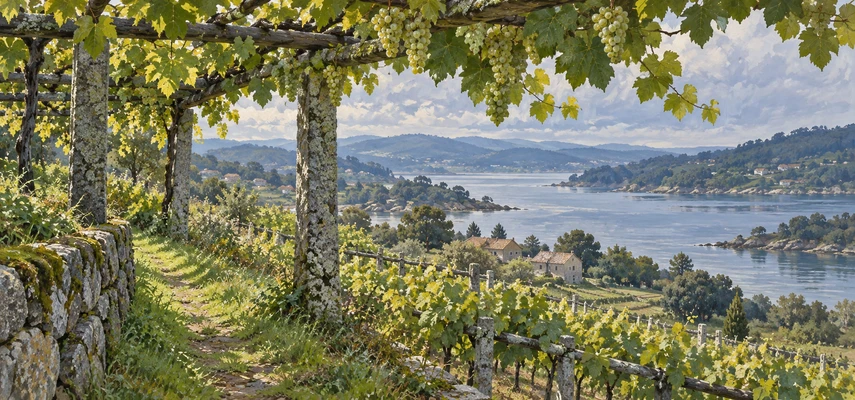
Castilla y León and Galicia offer a particularly useful antidote to the idea that Spanish wine comes from one hot, dry landscape. A structured Ri
Continue ReadingRioja and Navarra Explained: Tempranillo, Oak Ageing, Classification, and Quality
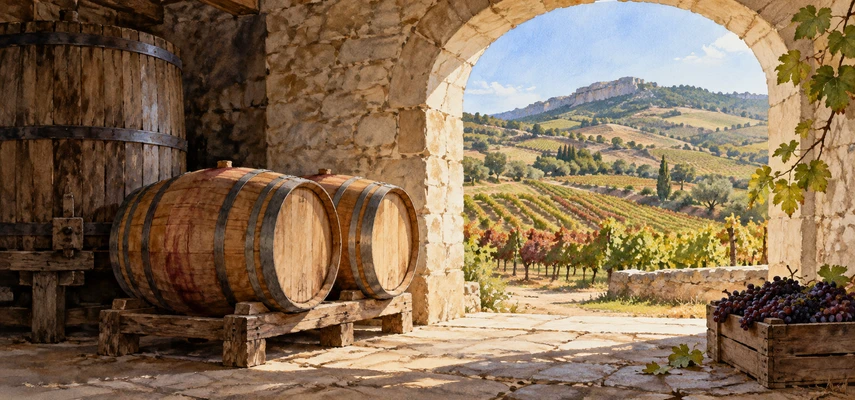
Rioja and Navarra make a useful northern Spanish comparison because familiar names can conceal quite different production decisions. Tempranillo a
Continue ReadingItalian Wine Laws and Quality Explained: DOC, DOCG, IGT, and Regional Comparisons
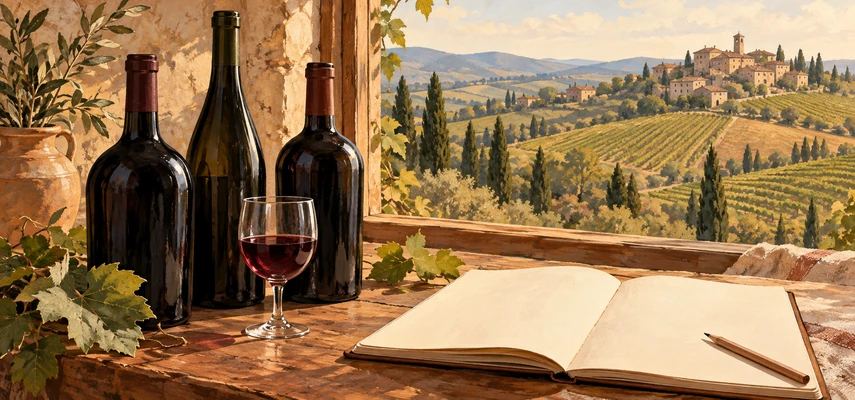
Italian wine laws become easier to understand when you stop asking the label to do every job. A protected name can tell you where grapes originate
Continue ReadingSardinia Explained: Cannonau, Vermentino, and Island Wine Traditions
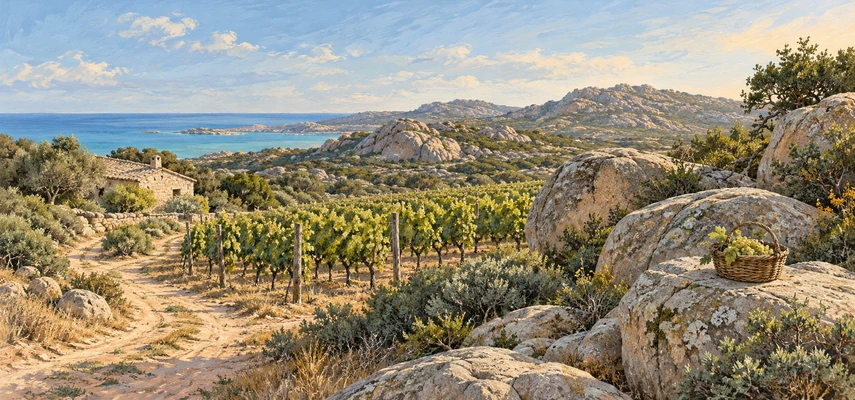
Sardinia's wine story changes quite quickly when a fresh Vermentino is followed by a structured red or a white matured under flor. Those wines don
Continue ReadingSicily Explained: Etna, Nero d’Avola, Carricante, and Mediterranean Viticulture
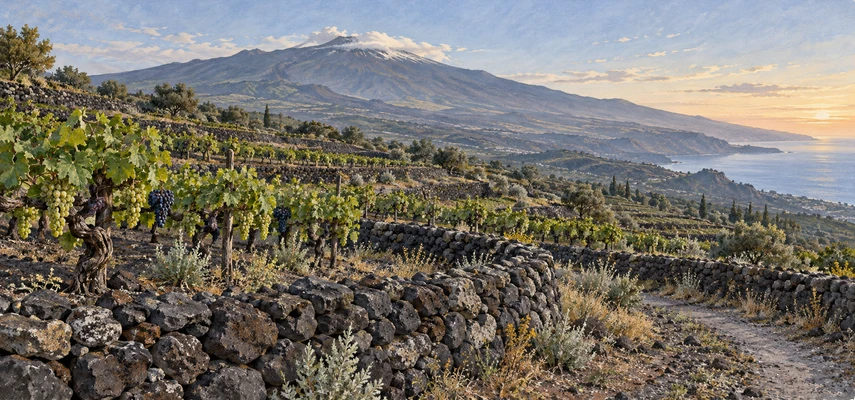
Sicily can offer a bright, fragrant red, a concentrated Nero d'Avola and a sharply defined mountain white without changing islands. The useful que
Continue ReadingPuglia and Basilicata Explained: Primitivo, Negroamaro, Aglianico, and Southern Italy
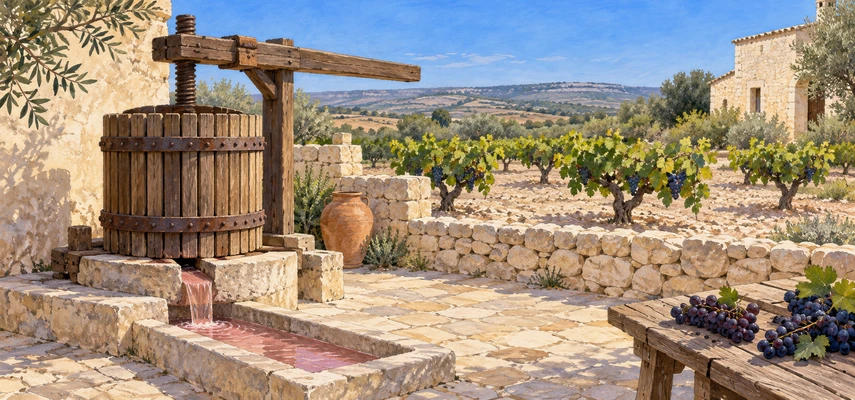
Southern Italy isn't one large vineyard waiting for more sunshine. Puglia's early-ripening Primitivo can reach substantial sugar while Basilicata'
Continue ReadingCampania Explained: Aglianico, Fiano, Greco, Volcanic Soils, and Quality
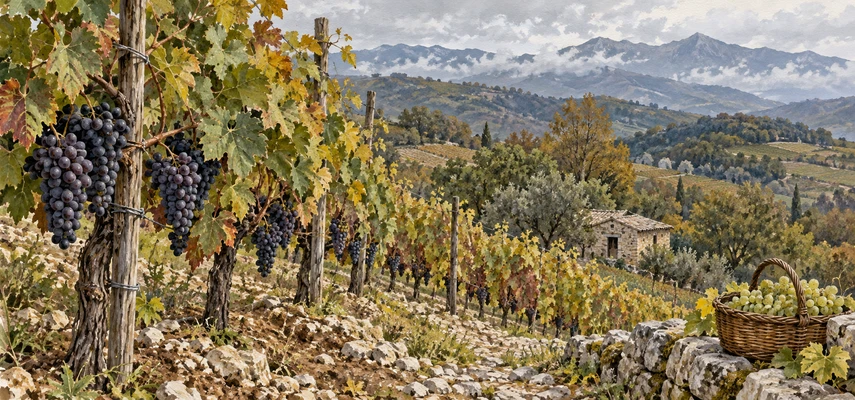
Campania can put a firmly tannic red and a textured, refreshing white on the same table without asking either to behave like the other. Aglianico,
Continue ReadingCentral Italian Wines Explained: Marche, Umbria, Lazio, and Abruzzo
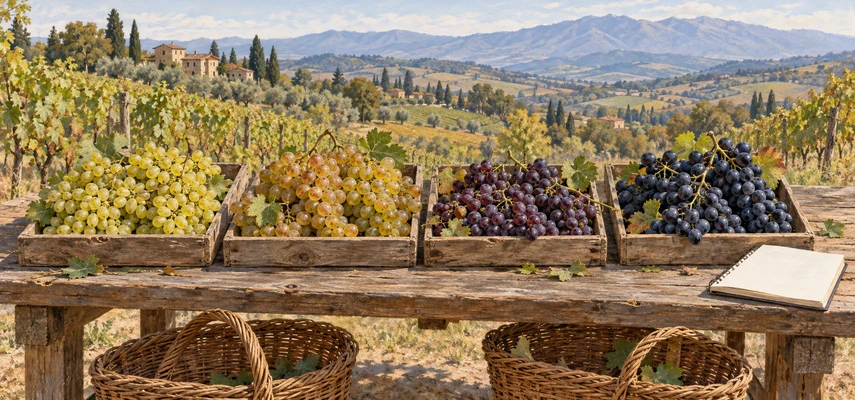
Central Italy becomes easier to remember when the grapes stop behaving like names on flashcards. Verdicchio can make a brisk young white or a more
Continue Reading









