










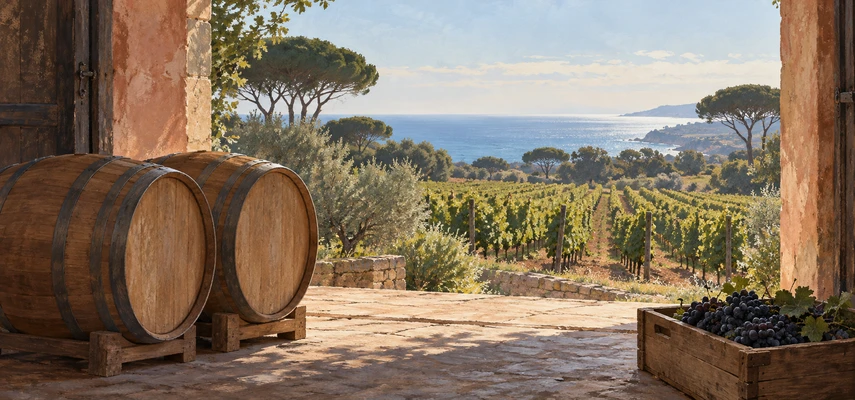
A Tuscan red doesn't have to revolve around Sangiovese. Along the western coast, Cabernet Sauvignon, Cabernet Franc and Merlot have established id
Continue ReadingChianti, Brunello, and Vino Nobile Explained: Tuscany’s Great Sangiovese Wines
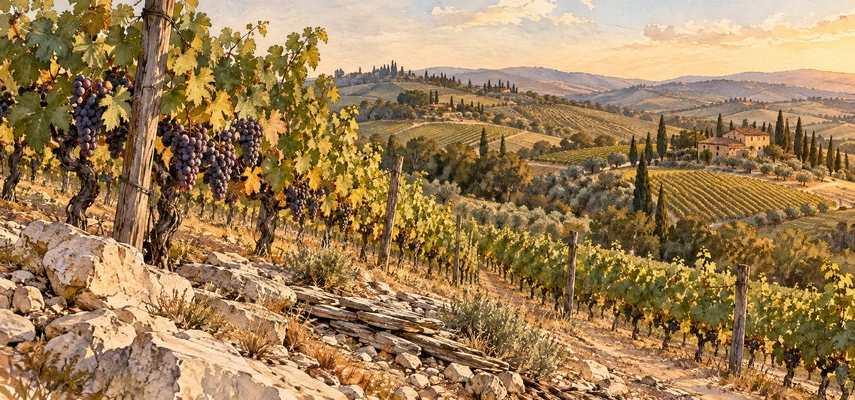
Sangiovese has a useful knack for making its surroundings matter. A fragrant, brisk red for supper and a tightly structured wine intended for year
Continue ReadingTrentino-Alto Adige and Friuli-Venezia Giulia Explained: Alpine and Northeastern Italian Wines
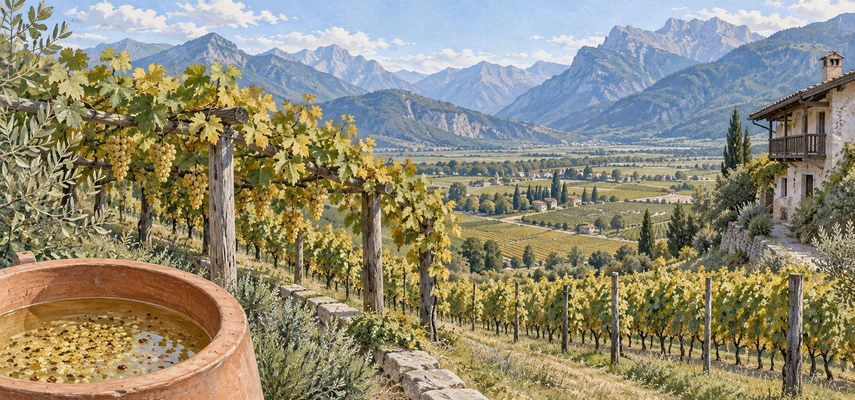
A mountain on the label doesn't tell you how cold the vineyard was. In Trentino-Alto Adige, a warm valley parcel suited to a deeply coloured red c
Continue ReadingVeneto Explained: Valpolicella, Amarone, Soave, Ripasso, and Production Methods
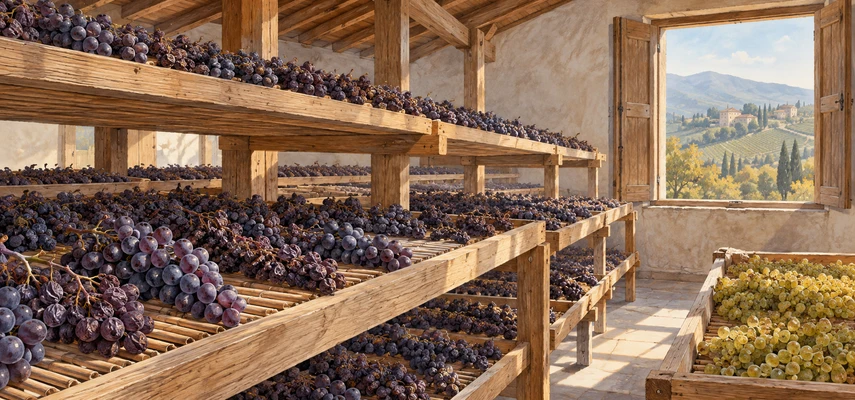
A Veneto red can be fresh and relatively light, concentrated and powerful, or deliberately sweet. Some of those wines begin with similar grape var
Continue ReadingThe Rest of Piemonte Explained: Barbera, Dolcetto, Moscato, and Regional Wines
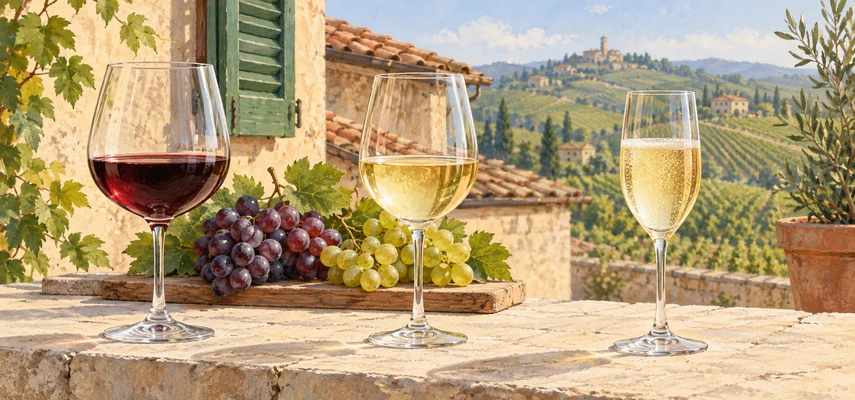
Piemonte's wine story doesn't end when the Nebbiolo glasses leave the table. Barbera can bring colour and brisk acidity without Nebbiolo's tannic
Continue ReadingBarolo and Barbaresco Explained: Nebbiolo, Terroir, Maturation, and Quality
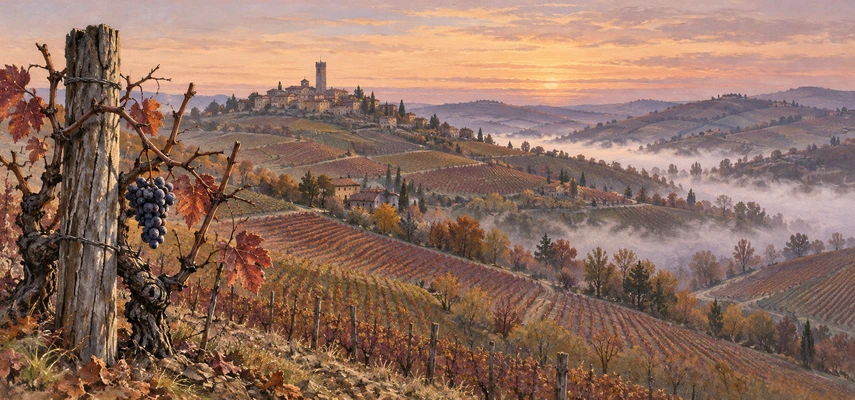
Nebbiolo can look disarmingly pale before delivering a firm grip of tannin and acidity. That contrast makes Barolo and Barbaresco useful Diploma w
Continue ReadingGreek Wines Explained: Macedonia, the Peloponnese, Santorini, and the Islands
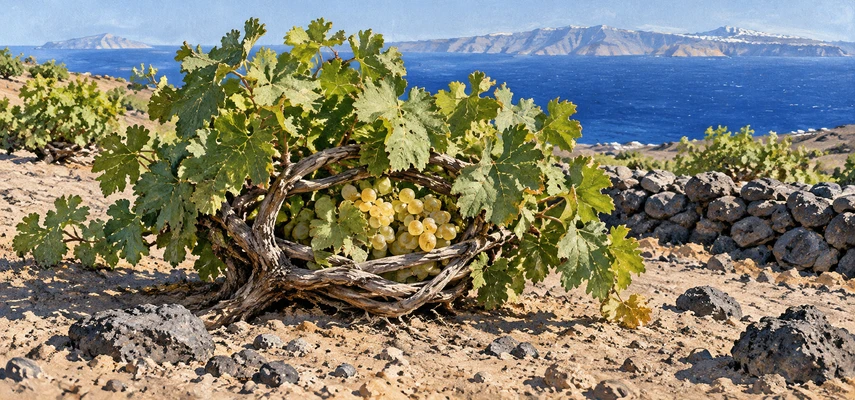
Greece can put a floral white, a firm tannic red and an amber sweet wine on the table without asking the same grape to do three jobs. Its diversit
Continue ReadingTokaj Explained: Furmint, Noble Rot, Aszú, and Hungary’s Great Sweet Wines
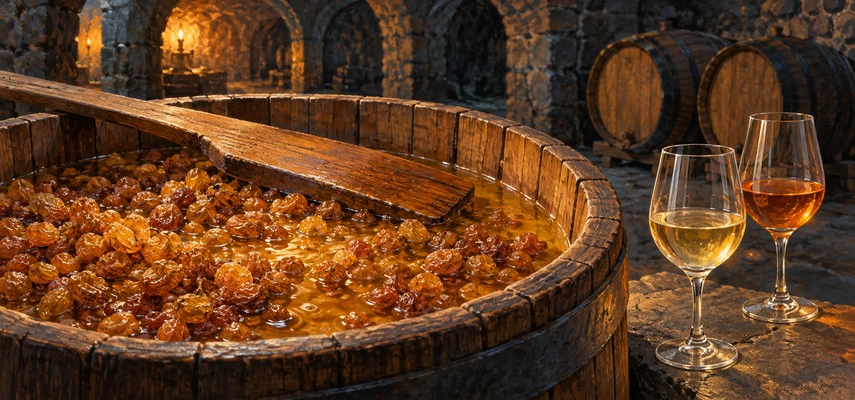
Tokaj's most useful surprise may be a dry wine. The region's fame rests on extraordinary sweet wines, yet a dry Furmint reveals how much of the st
Continue ReadingAustrian Wines Explained: Niederösterreich, Burgenland, Steiermark, and Quality Classifications
Grüner Veltliner is an excellent way into Austrian wine. It's a less useful way to explain everything Austria produces. A concentrated Blaufränk
Continue ReadingRheinhessen, Pfalz, Baden, Franken, and Württemberg Explained: Germany’s Other Major Regions
A German wine list can move from Riesling to Silvaner, Pinot Noir, Trollinger and Pinot Gris without leaving the country. That diversity isn't a c
Continue Reading









