










A skunky bottle, a tired cardboard-like beer and a beer that has unexpectedly become sour may all disappoint, but they do not necessarily share a
Continue ReadingHow to Taste and Compare Beer Styles: A WSET Level 2 Revision Guide
To compare beer styles well, start by noticing differences that can be explained. Color is useful, but two golden beers can differ more in bittern
Continue ReadingBeer Storage and Service Explained: Freshness, Glassware, and Pouring
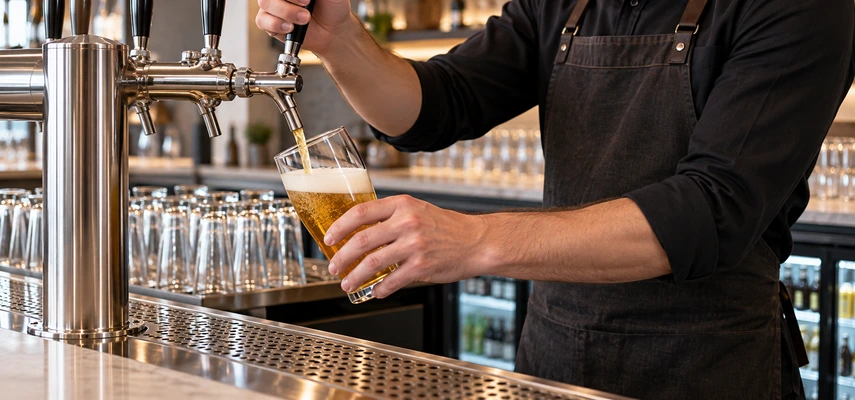
The brewery can get every production decision right and still lose the argument at a warm shop window or a greasy glass. Beer storage and service
Continue ReadingSour Beers Explained: Berliner Weisse and Geuze
A tart beer is not necessarily a beer gone wrong. Sour beers explained through their intended production show how acidity can become the center of
Continue ReadingBelgian Ales Explained: Dubbel, Tripel, and Saison
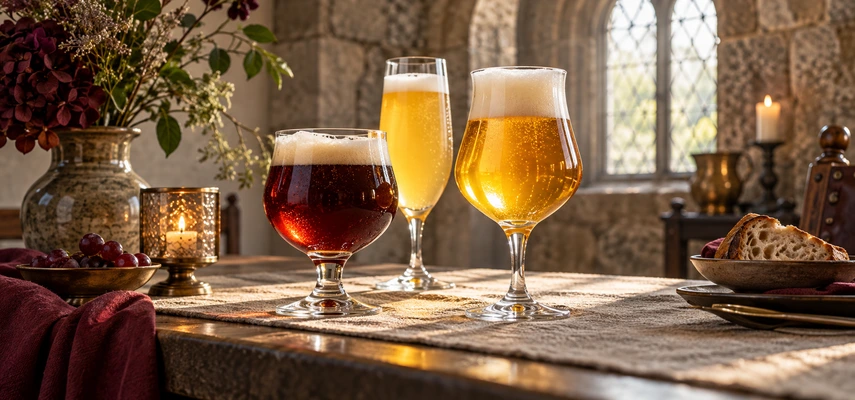
A deep brown beer, a strong golden beer and a remarkably dry pale ale can all belong in a chapter about expressive Belgian fermentation. Belgian a
Continue ReadingWheat Beers Explained: Weissbier vs. Witbier
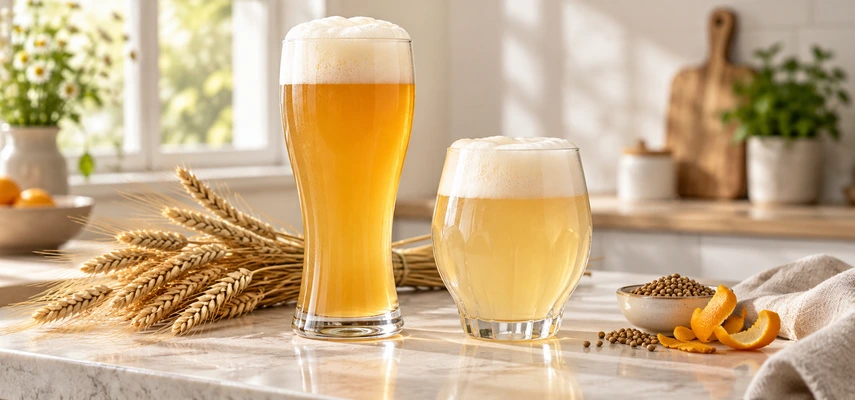
Wheat beers explained only as cloudy drinks miss the best part. A Weissbier can suggest banana and clove without either being added. A Witbier can
Continue ReadingPale Ale and IPA Explained: American Pale Ale, American IPA, and Hazy IPA
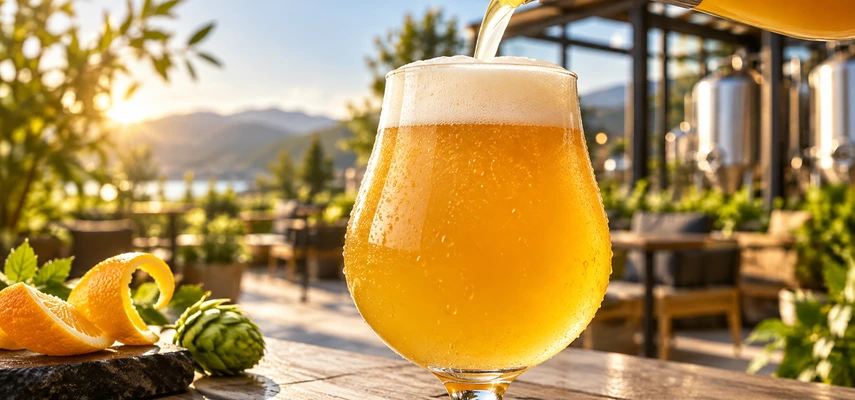
A beer can smell like a fruit bowl and still finish dry. Another can have a brilliant golden color and a firmly bitter edge. Pale ale and IPA beco
Continue ReadingPilsner and Bitter Explained: Traditional European Hop-Driven Beers
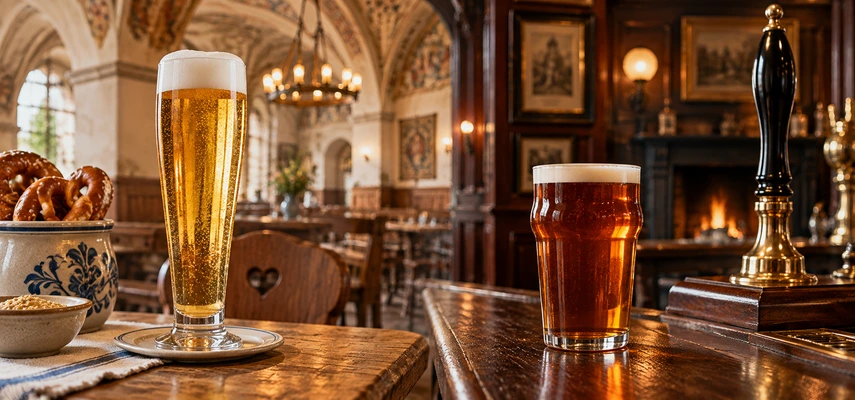
The name bitter sounds like a warning, while pilsner can sound like a synonym for any pale lager. Both impressions miss the interesting part. Pils
Continue ReadingDark and Rich Malt-Driven Beers Explained: Dunkel, Brown Ale, Porter, Stout, and Barley Wine
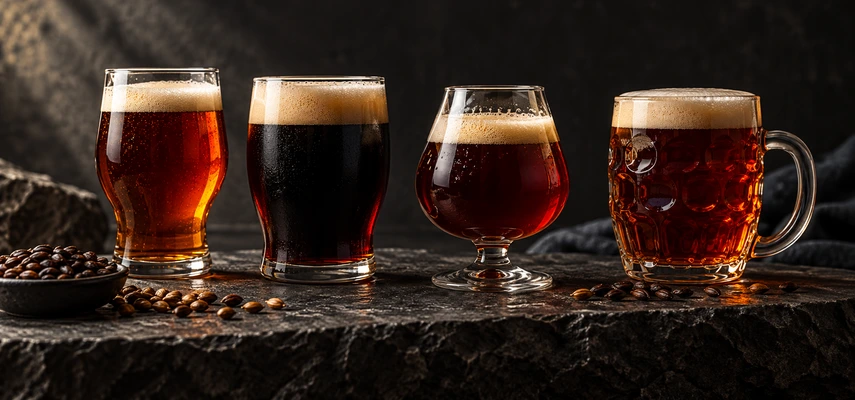
Dark malt-driven beers can suggest bread crust, nuts, caramel, coffee or chocolate, yet they don't all belong to the same sensory family. A smooth
Continue ReadingPale Lagers and Blonde Ales Explained: Light, Malt-Driven Beer Styles
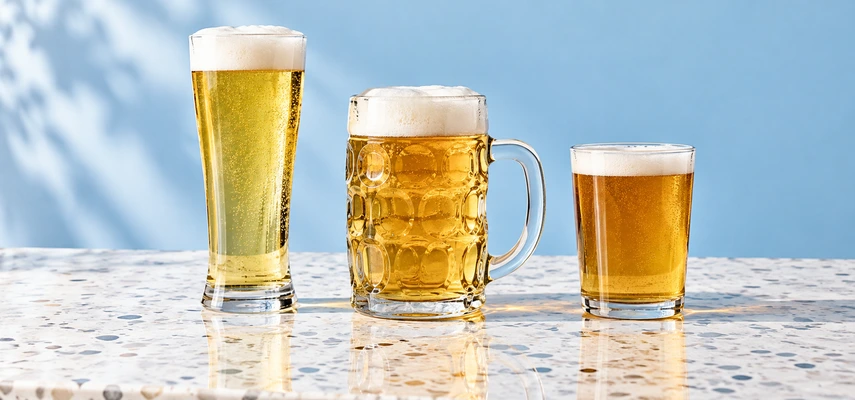
Put three pale golden beers beside one another and color may offer very little help. The differences could sit in a bread-like aroma, a softer mal
Continue Reading








