











The WSET Level 1 Beer exam rewards a clear grasp of causes and characteristic differences. Grain becomes useful sugars; yeast transforms those sug
Continue ReadingFood and Beer Pairing Explained: How Flavors Interact
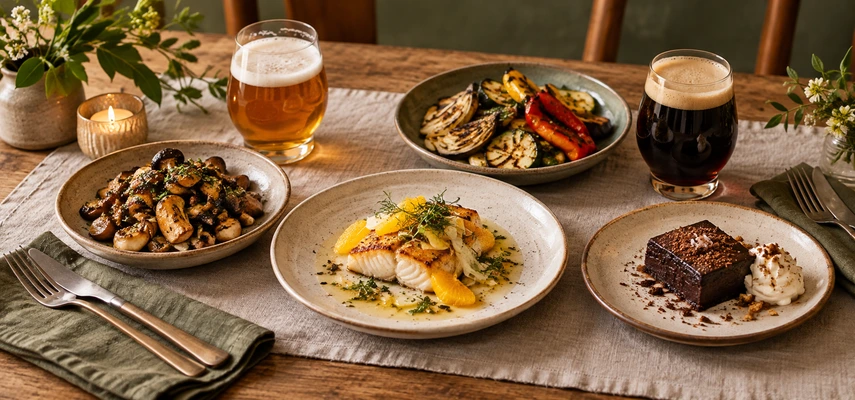
The same beer can seem different before and after a bite of food. It hasn't changed its recipe at the table; the sensory context has changed. Food
Continue ReadingCommon Beer Faults Explained: Staling, Skunking, and Infection
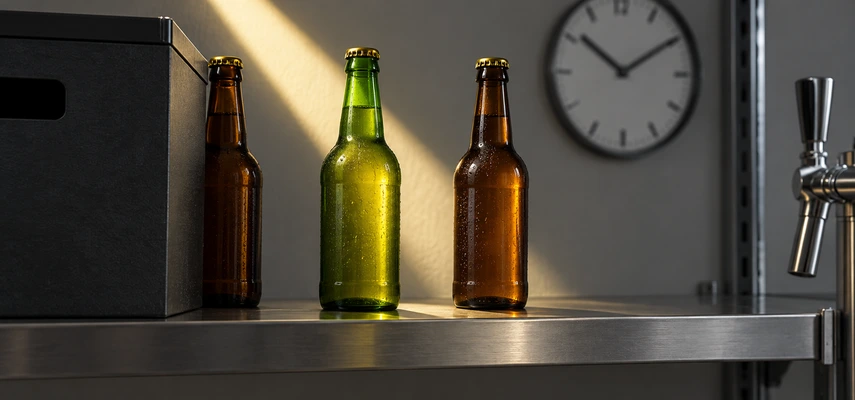
A skunky bottle, a tired cardboard-like beer and a beer that has unexpectedly become sour may all disappoint, but they do not necessarily share a
Continue ReadingBeer Storage and Service Explained: Freshness, Glassware, and Pouring
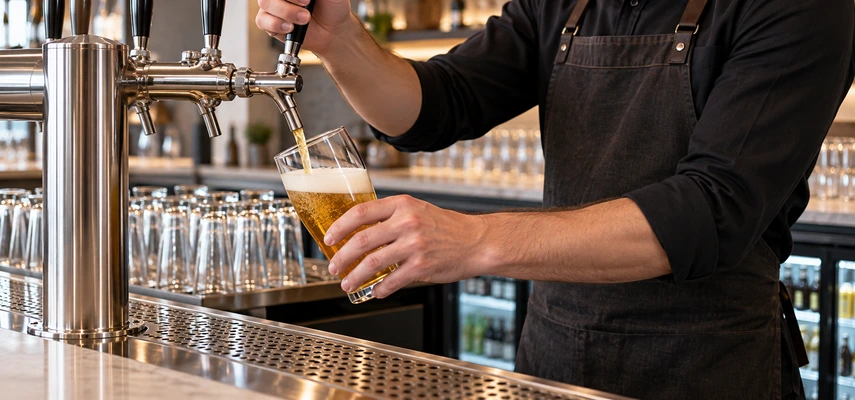
The brewery can get every production decision right and still lose the argument at a warm shop window or a greasy glass. Beer storage and service
Continue ReadingSour Beers Explained: Berliner Weisse and Geuze
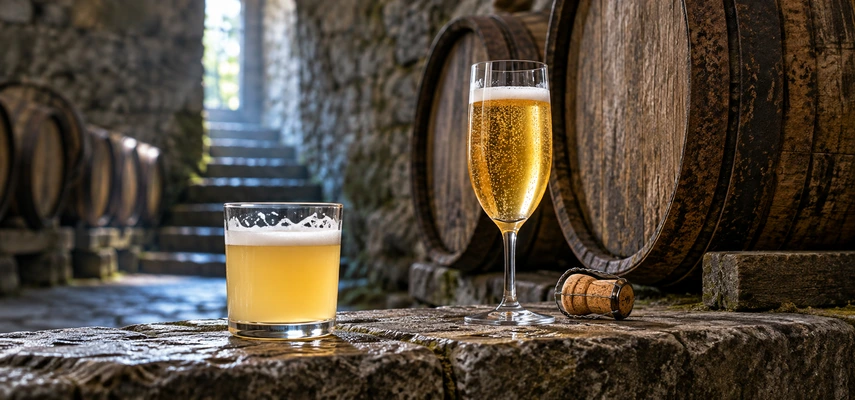
A tart beer is not necessarily a beer gone wrong. Sour beers explained through their intended production show how acidity can become the center of
Continue ReadingBelgian Ales Explained: Dubbel, Tripel, and Saison
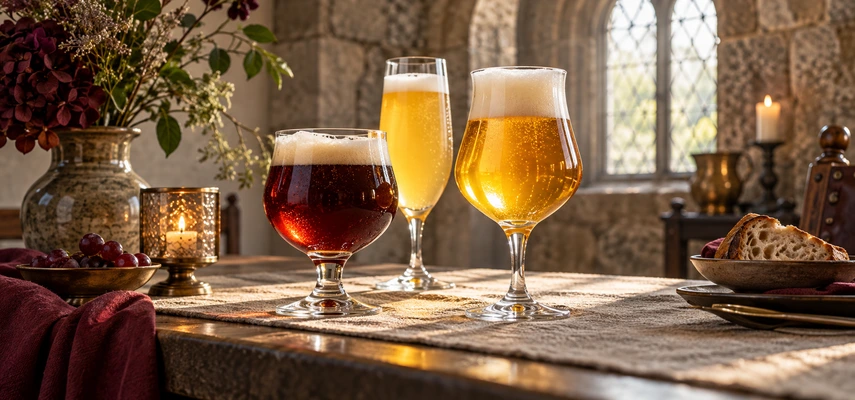
A deep brown beer, a strong golden beer and a remarkably dry pale ale can all belong in a chapter about expressive Belgian fermentation. Belgian a
Continue ReadingWheat Beers Explained: Weissbier vs. Witbier
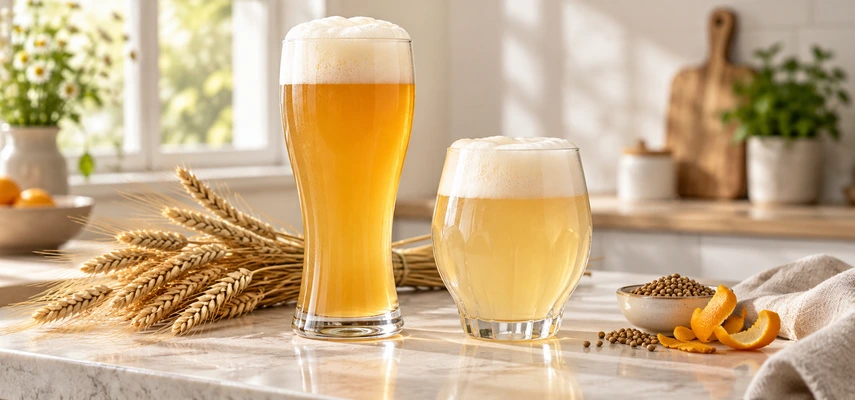
Wheat beers explained only as cloudy drinks miss the best part. A Weissbier can suggest banana and clove without either being added. A Witbier can
Continue ReadingPale Ale and IPA Explained: American Pale Ale, American IPA, and Hazy IPA
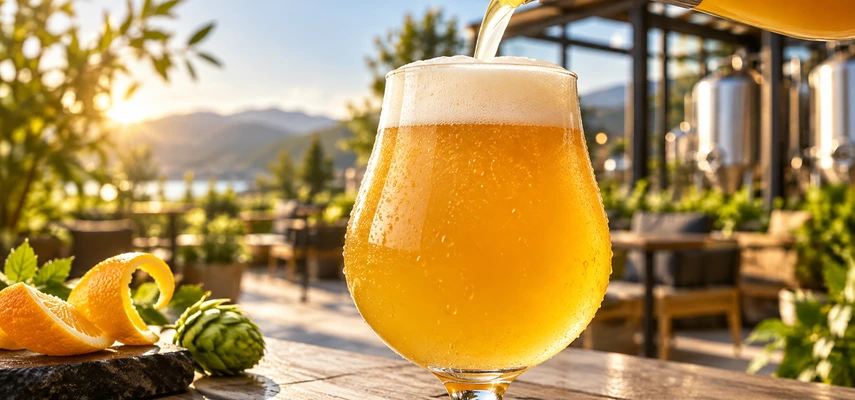
A beer can smell like a fruit bowl and still finish dry. Another can have a brilliant golden color and a firmly bitter edge. Pale ale and IPA beco
Continue ReadingPilsner and Bitter Explained: Traditional European Hop-Driven Beers
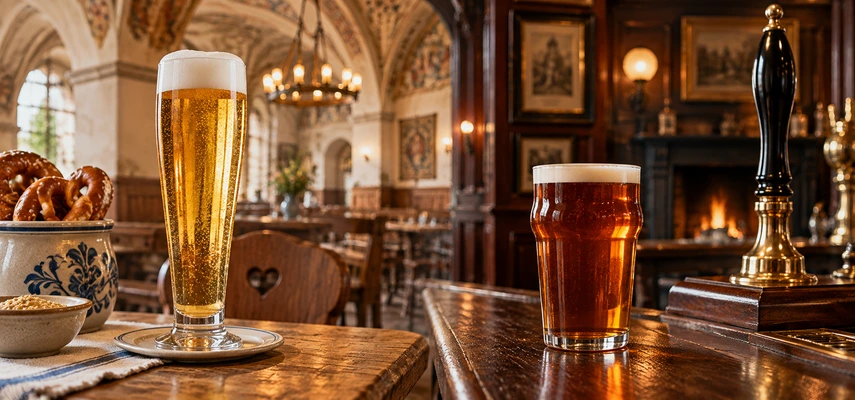
The name bitter sounds like a warning, while pilsner can sound like a synonym for any pale lager. Both impressions miss the interesting part. Pils
Continue ReadingDark and Rich Malt-Driven Beers Explained: Dunkel, Brown Ale, Porter, Stout, and Barley Wine
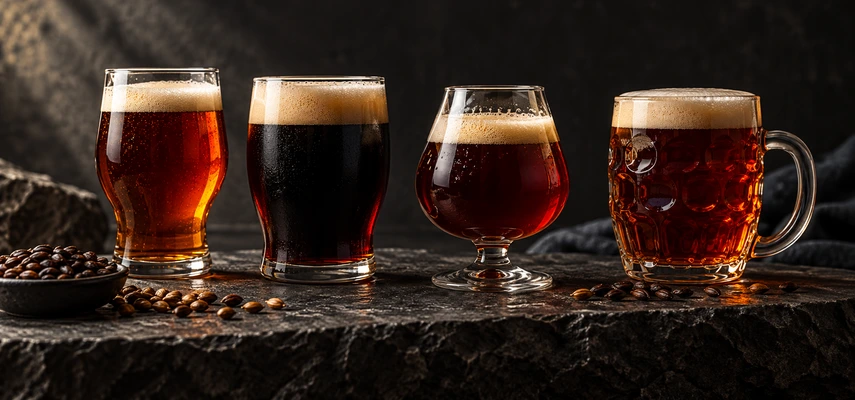
Dark malt-driven beers can suggest bread crust, nuts, caramel, coffee or chocolate, yet they don't all belong to the same sensory family. A smooth
Continue Reading








