










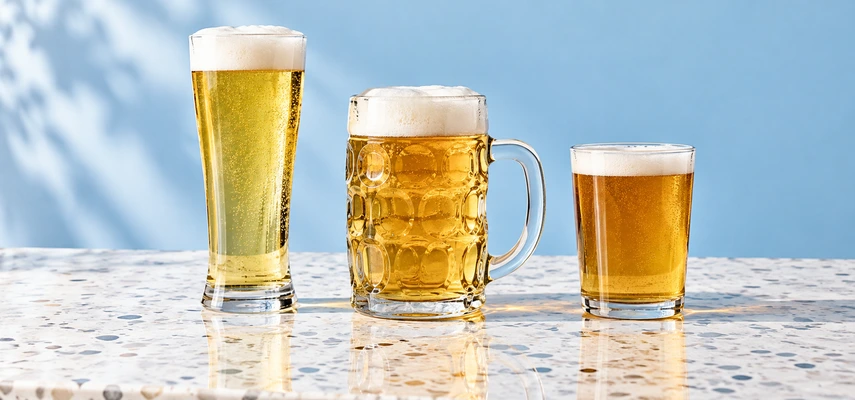
Put three pale golden beers beside one another and color may offer very little help. The differences could sit in a bread-like aroma, a softer mal
Continue ReadingHow Beer Is Brewed: From Milling and Mashing to Fermentation and Packaging
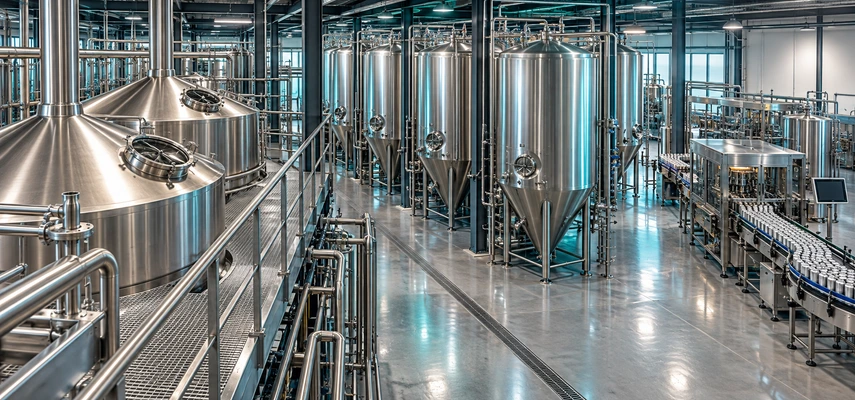
A brewery can look like a collection of impressive metal containers joined by very determined plumbing. The sequence becomes easier to understand
Continue ReadingMalting and Mashing Explained: How Grain Becomes Fermentable Sugar
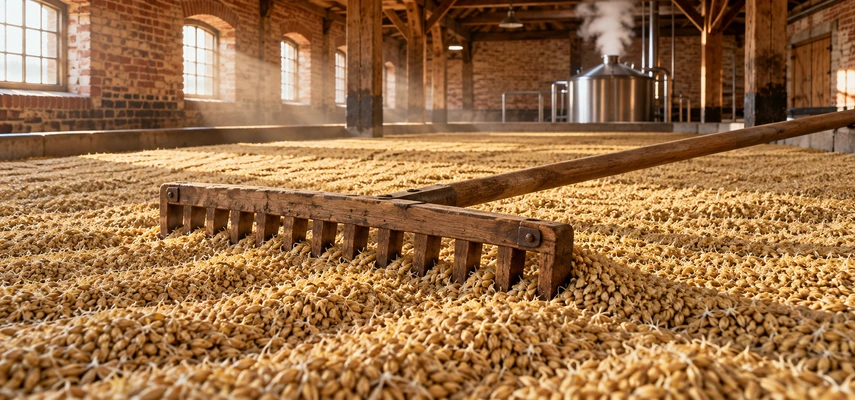
The grain arrives carrying energy, but much of it is locked into starch. Brewing needs some of that energy in a form yeast can use. Malting and ma
Continue ReadingBeer Yeast and Bacteria Explained: Ale, Lager, and Spontaneous Fermentation
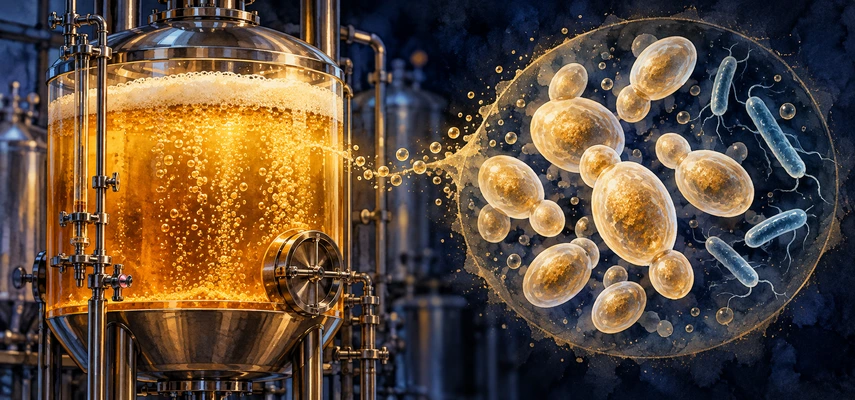
Yeast has an unusually productive way of eating dinner. Give suitable brewing yeast a supply of fermentable sugar and it can produce alcohol, carb
Continue ReadingHops Explained: Why Beer Can Taste Bitter, Floral, Citrusy, or Fruity
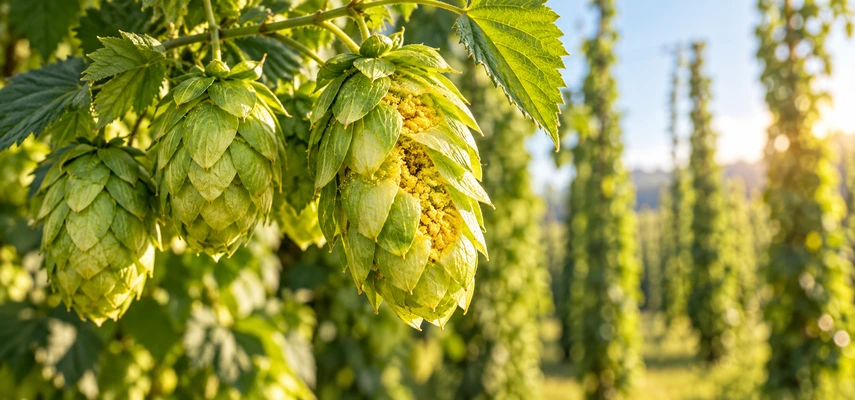
A beer can deliver a firm bitter finish and barely a whisper of hop aroma. Another can smell extravagantly fruity while seeming softer on the pala
Continue ReadingMalt and Water Explained: The Foundations of Beer
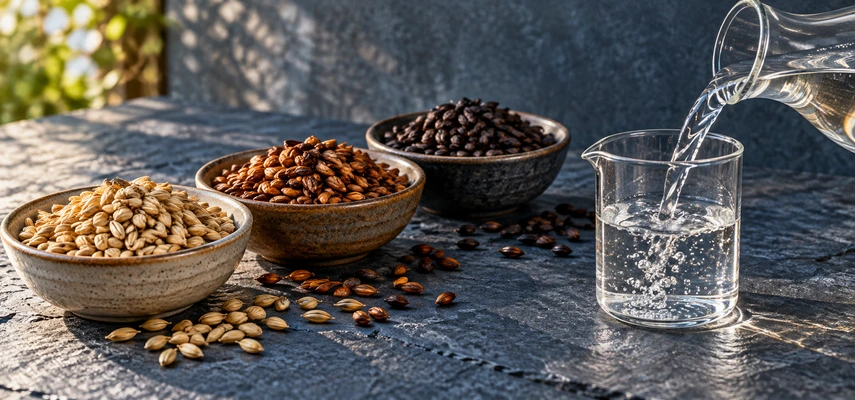
A handful of pale grain and a handful of dark grain can look like variations on a modest breakfast. In a brewery, their differences can change a b
Continue ReadingHow to Understand and Describe Beer: A WSET Level 1 Beginner’s Guide
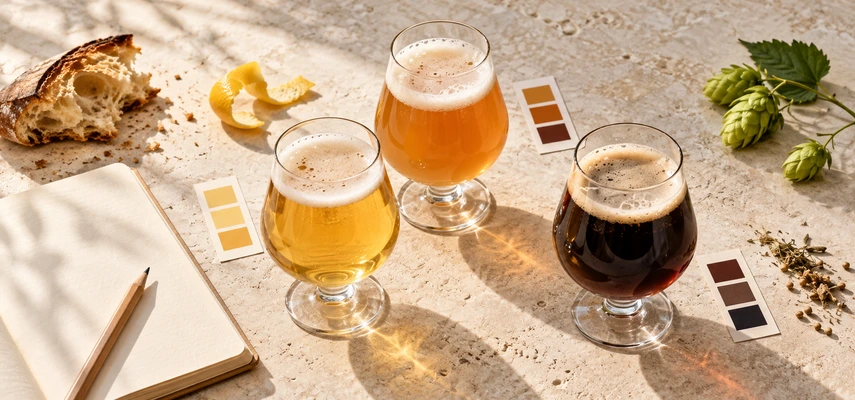
A beer can smell like grapefruit without containing grapefruit. Another can suggest toast without anyone dropping breakfast into the tank. Learnin
Continue Reading









