










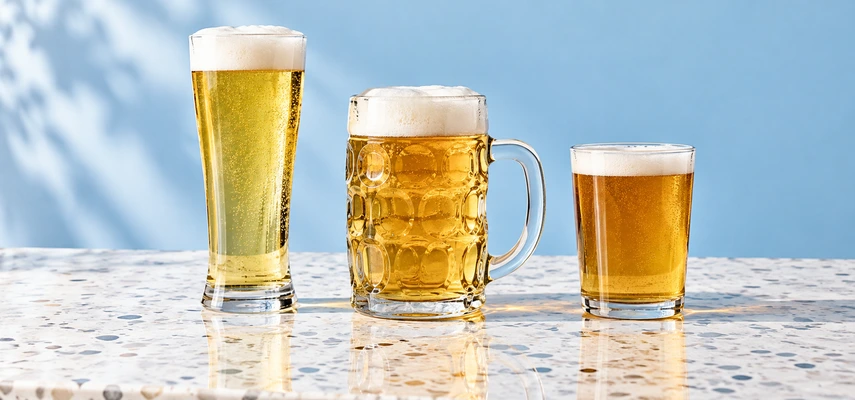
Put three pale golden beers beside one another and color may offer very little help. The differences could sit in a bread-like aroma, a softer mal
Continue ReadingBeer Yeast and Bacteria Explained: Ale, Lager, and Spontaneous Fermentation
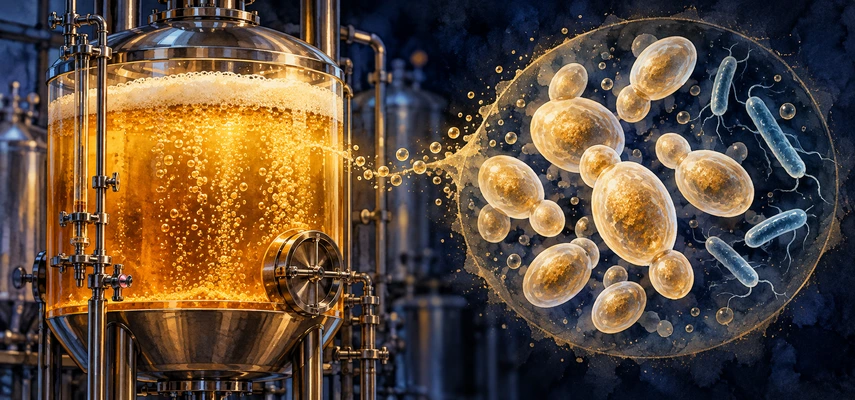
Yeast has an unusually productive way of eating dinner. Give suitable brewing yeast a supply of fermentable sugar and it can produce alcohol, carb
Continue ReadingPilsner and Modern Hopped Lagers Explained: Czech, German, and Contemporary Styles
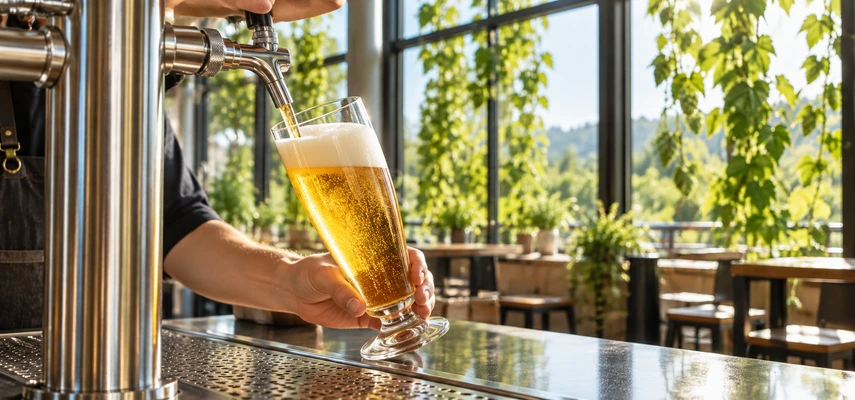
One golden lager has a rounded bread-and-herb balance. Another finishes sharply dry and bitter. A third smells of lime or tropical fruit. Pilsner
Continue ReadingBock and Rauchbier Explained: Strong and Smoked German Lagers
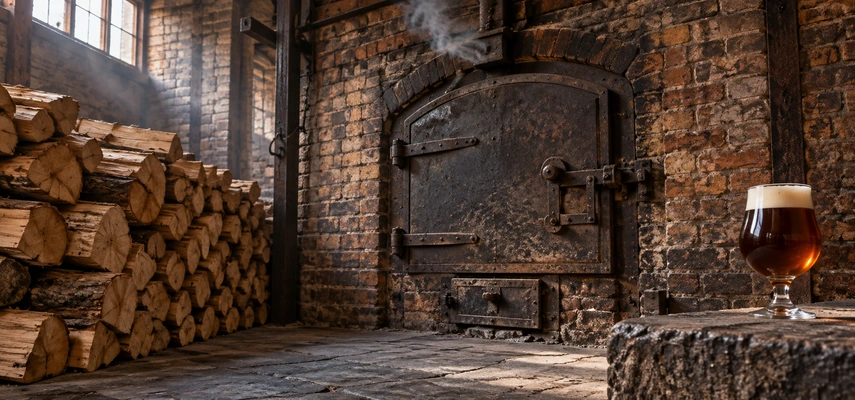
A pale beer can be stronger than a dark one. A smoky beer can be no stronger than its unsmoked neighbor. Bock and rauchbier make those distinction
Continue ReadingAmber and Dark Lagers Explained: Dunkel, Märzen, Vienna Lager, and More
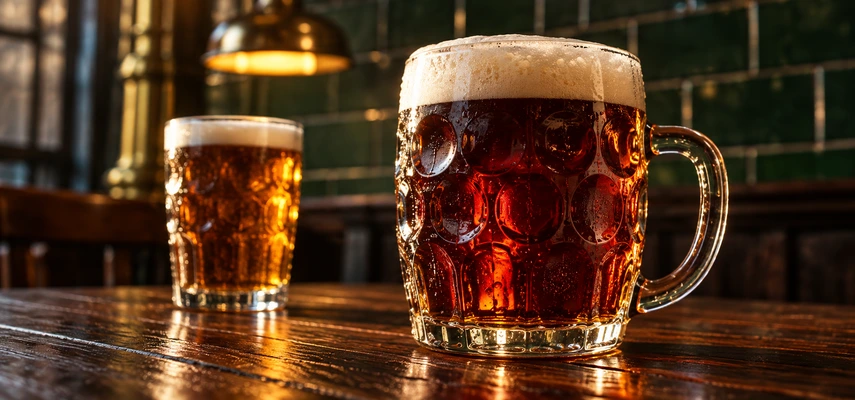
A brown lager smells of bread crust rather than coffee. An amber lager finishes dry enough to invite another sip. Amber and dark lagers are useful
Continue ReadingPale Lagers Explained: American Lager, International Pale Lager, Light Lager, and Helles
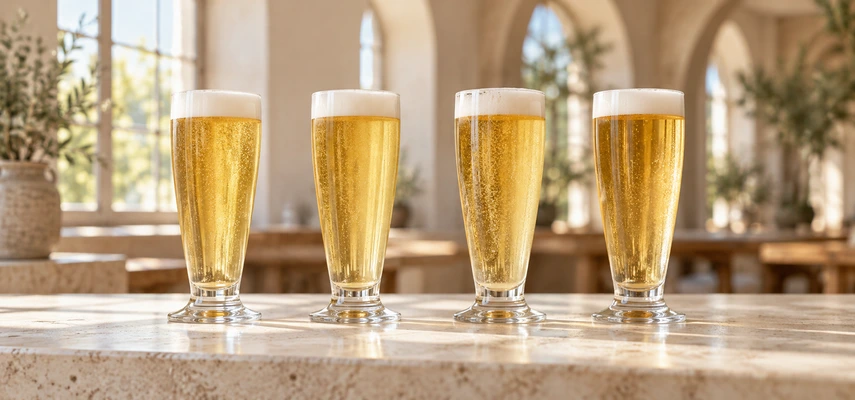
Four glasses arrive, all clear, pale and neatly capped with white foam. If pale lagers were one flavor, choosing between them would be easy. In pr
Continue Reading









