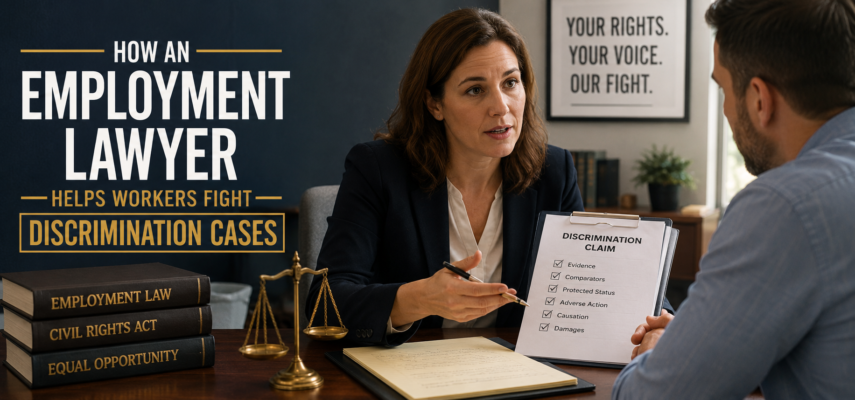
Workplace discrimination claims rarely arise due to a dramatic event. More often, a worker notices altered duties, harsher reviews, reduced hours, or sudden discipline after a complaint or medical request. Those changes can signal unlawful bias, but proving that pattern requires more than just instinct. An employment lawyer can help connect conduct, records, and legal standards, so a worker can assess whether their experiences of unfair treatment amount to a valid discrimination case.
Early Legal Help
Early guidance is important because workers often speak before they know which facts carry legal weight. An employment lawyer in Minneapolis can help preserve emails, texts, schedules, reviews, and complaint records while memories remain fresh. They can also assess timing, identify protected status issues, and shape a report that reflects facts clearly.
Identifying Unfair Treatment
Bias at work is usually apparent through patterns of behavior, such as less favorable assignments, blocked promotions, unequal discipline, leave refusals, or harsher scrutiny after protected activity. An employee may have been praised for years but then face criticism after reporting harassment or requesting accommodations. Lawyers compare these incidents with the treatment given to peers, looking for links to race, sex, age, disability, religion, pregnancy, or another protected trait.
Obtaining Evidence
A discrimination lawsuit requires evidence. Lawyers gather payroll data, performance reviews, attendance records, witness accounts, policy manuals, and internal messages to determine whether the employer’s reasons are justifiable. They also compare employees in similar positions to see whether one person faced harsher treatment. This review can expose bias hidden beneath claims of poor performance, restructuring, or personality conflict.
Filing Deadlines
A worker may need to file an agency charge before initiating a lawsuit, and the deadlines for doing so vary depending on the type of claim. Missing that window can jeopardize a strong case. Legal counsel can track the correct forum, prepare the filing, and avoid language that limits later arguments.
Dealing With Employer Defense
Employers usually respond with records and explanations. Notes from human resources (HR), attendance logs, and coaching memos may seem neutral, yet the sequence often tells a different story. Attorneys at Madia Law can examine when those records were created, who wrote them, and whether prior evaluations matched the company’s current position. If rules changed only for one worker, that inconsistency may show pretext, meaning the stated reason concealed an unlawful motive.
Calculating Losses
Financial harm in a discrimination case extends beyond a missed paycheck. A worker may lose benefits, retirement contributions, advancement, bonus eligibility, or future earning capacity after a wrongful termination or demotion. Emotional injury can also play a role when the conduct causes anxiety or sleep disruption. A lawyer can calculate damages based on payroll history, benefit records, and career data.
Settlement Strategy
Many claims resolve before trial, but settlement discussions require preparation. Employers negotiate differently when the worker’s side presents organized evidence, a sound damages analysis, and a credible filing history. Lawyers also review terms beyond finances, including references, confidentiality, record corrections, separation language, and benefit continuation. A strategy should weigh compensation, emotional strain, public exposure, and the likely strength of courtroom evidence.
Trial Preparation
Some cases proceed to trial because the employer refuses a reasonable resolution. Trial preparation then becomes central, not symbolic. Lawyers organize exhibits, prepare witnesses, and frame the sequence of events in language jurors can follow easily. They also anticipate attacks on the employee’s credibility, arguments about performance, and attempts to isolate each incident. Strong preparation will help the worker present a clear account grounded in documents and lived experience.
Conclusion
Workers facing discrimination often know something is wrong before they can explain why. A lawyer can help them shape that concern by identifying protected activity, preserving evidence, meeting deadlines, and testing the employer’s stated reasons against the record. A strong claim requires facts, timing, and careful presentation. With skilled counsel, a worker can move from uncertainty to a case built on proof, clarity, and lawful rights.