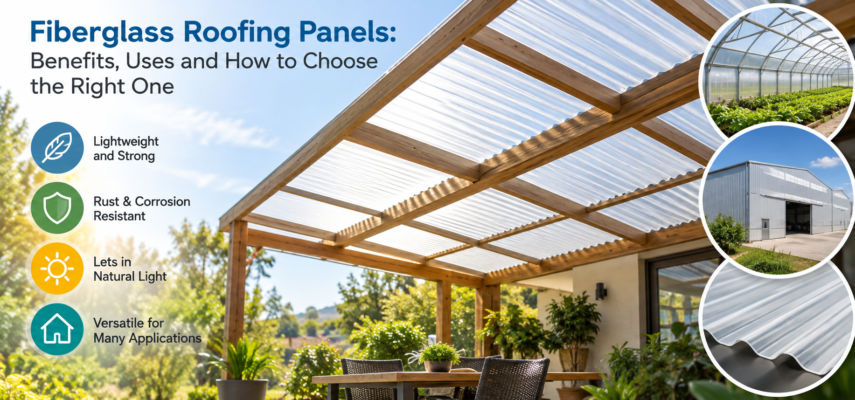
Finding the perfect material for a roof can be challenging if you are not familiar with the alternatives currently available on the market. Whether you are building a greenhouse, protecting an agricultural storage facility, or renovating your home’s patio, choosing the right panels can make the difference between a durable structure and a constant headache caused by leaks and water infiltration. Forget about heavy materials and discover why this lightweight, durable solution is becoming increasingly popular for all types of construction projects this year.
What Are Fiberglass Panels and How Are They Different?
When it comes to modern roofing, it is easy to get lost among the many metal and plastic options that promise exceptional performance. However, fiberglass roofing panels have earned a prominent place thanks to their unique reinforced resin composition.
Unlike traditional metal, which is susceptible to corrosion and rust when exposed to constant moisture, or inexpensive polycarbonate, which can become brittle and deteriorate over the years, fiberglass provides superior structural strength without adding excessive weight to the structure.
Strength, Lightweight Performance, and Zero Corrosion
One of the biggest challenges when installing roofs is dealing with heavy structures that require costly and complicated metal reinforcements. This is where these panels truly stand out, thanks to their exceptional light weight, making installation faster and safer.
Another major advantage over steel or iron is that they do not rust or deteriorate when exposed to salty or chemical environments or areas with constant rainfall. This makes them a smart long-term investment that can help you avoid costly repairs.
Natural Light: Brighten Your Spaces Without Spending More
Another major benefit of working with this type of roofing is its ability to make the most of natural daylight. Instead of relying entirely on artificial lighting that can drive up your electricity bill, these translucent panels distribute natural light evenly.
The light enters softly and diffusely, creating exceptionally pleasant, warm, and functional indoor spaces that are perfect for working, growing plants, or enjoying a social area without compromising energy efficiency.
Real-World Applications: From Greenhouses to Industrial Buildings
The versatility of these materials makes them suitable for countless residential, commercial, and industrial projects. Do you have a garden, terrace, or backyard that you want to protect from the elements without making it dark? They are an ideal solution.
They are also a preferred choice in the agricultural sector for sheds, farms, and greenhouses, where light control and protection from the elements are essential. Likewise, they can withstand the demanding conditions found in industrial buildings and large-scale warehouses.
Key Factors to Consider When Choosing the Right Panel
Before rushing out to buy the first roll or panel you come across, you should consider several key factors to make sure you choose the right option. The first step is to determine whether you need translucent panels to let natural light through or fully opaque panels to block sunlight completely.
You should also check the panel profiles or corrugation patterns to ensure they fit perfectly with your existing structure, as well as verify fire-resistance and UV-protection certifications to guarantee the highest level of safety.
North American Manufacturing Quality with Professional Support
Choosing a quality material also means trusting manufacturers with proven experience and strict quality standards for every product that leaves their facility. In this regard, having the backing of an industry leader such as Stabilit America ensures that you are purchasing products designed to stand the test of time. Its experience manufacturing specialized roofing and wall solutions ensures that every installation meets the highest expectations for durability, aesthetics, and technical performance in any environment.