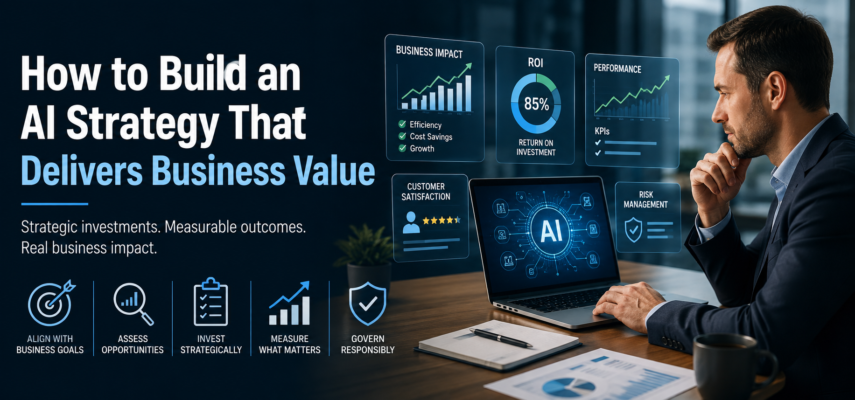
Artificial intelligence isn’t just a futuristic idea anymore; it’s a tool businesses can use right now to see real returns. For smart owners, the question isn’t whether to use AI, but how to invest in it wisely so it genuinely helps the bottom line. Just buying the latest AI software isn’t a strategy. Real value comes from pinpointing specific business problems and then using targeted AI solutions to fix them. This means you need a clear idea of where AI can make a difference and a structured way to invest.
Where AI Delivers Real Value
All the buzz around AI can make it hard to see where the actual, tangible benefits are. Instead of chasing complex, attention-grabbing applications, businesses often find the biggest returns by simply making their existing processes better. AI is great at automating repetitive tasks, sifting through huge amounts of data for insights, and making operations more efficient. For instance, it can streamline supply chains, personalise customer service, or help identify potentially fraudulent transactions by analysing patterns across large datasets. The trick is to stop focusing on the technology itself and start thinking about the business outcome you want. The first step is to create a clear AI strategy roadmap that connects potential AI projects with your main business goals, helping ensure each investment has a defined purpose and measurable outcome.
Assessing AI Investment Opportunities
Not all AI projects are created equal. To get the most out of your investment, you have to carefully look at each potential opportunity. Start by finding a clear business reason. What exact problem will this AI project solve? How will you know if it’s working? Having measurable goals is key. For an AI-powered customer service chatbot, you might track how much response times drop, the cost per interaction, and how much happier customers are. For a system that predicts when equipment needs maintenance, the main goal would be less downtime and lower repair costs. A thorough look at how AI delivers business value means estimating both the costs of setting it up and the money you expect to save or gain. This cost-benefit analysis will help you decide which projects offer the best return on your investment. By understanding these financial details, you can then put real-time strategies into practice to get the most out of opportunities and drive success across your portfolio.
Developing an AI Investment Plan
Once you’ve looked at and prioritised your opportunities, the next step is to turn them into a clear investment plan. This document should be more than just a budget. It needs to lay out what each project involves, set realistic timelines, and define the resources you’ll need, including technology, data systems, and skilled people. A crucial part of this plan is setting clear key performance indicators (KPIs) right from the start. Knowing the key factors for measuring AI before you begin lets you track progress effectively and show value to everyone involved. Your plan should also be flexible. The world of AI is always changing, so your strategy should include regular check-ins to allow for adjustments based on how things are performing and what the business needs.
Governing Your AI Initiatives
Bringing in AI isn’t a one-time thing; it’s an ongoing commitment that needs strong oversight. A good governance framework is vital for managing risks, making sure you’re compliant, and keeping your AI systems healthy in the long run. This means clearly assigning ownership for each AI model, setting rules for data privacy and security, and ensuring your AI systems remain reliable and fit for purpose over time. Regular checks and performance monitoring are necessary to ensure the models stay accurate and fair over time. Without proper governance, even the most promising AI project can fail, leading to unexpected costs, damage to your reputation, or legal trouble. Taking a proactive approach to governance protects your investment and ensures your use of AI remains a lasting asset for the business.
A strategic and thoughtful approach is the only way to make sure AI truly drives growth, rather than just being an expensive experiment. By focusing on solving real problems and measuring the results, you can confidently bring this powerful technology into your operations.