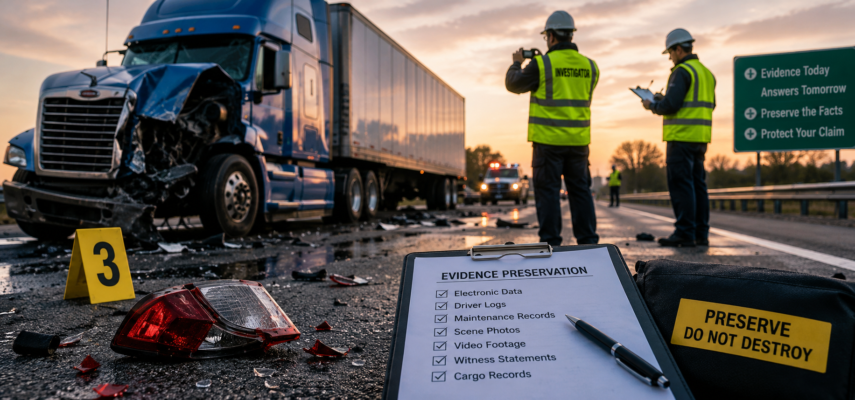
Truck crash claims turn on facts that may disappear before an injured person leaves the hospital. Tire fragments, brake data, dash footage, cargo records, and driver logs can all change hands quickly. Carriers often send investigators while families are still managing pain, transport, surgery plans, and insurance calls. Early preservation keeps fragile evidence from being lost during cleanup, repairs, or routine file deletion.
Early Legal Review
Once urgent care is underway, the next concern is preserving records before normal business activity changes them. A truck accident lawyer in California may identify vehicle data, inspection files, driver logs, dispatch messages, and scene materials that need immediate protection. Timely review can keep the record balanced while repairs, towing, insurer contact, and fleet procedures continue.
Why Proof Disappears
Commercial trucks rarely sit idle for long. Damaged tractors may be repaired, trailers reassigned, and broken parts discarded. Road crews clear debris, rain removes tire marks, and camera systems overwrite stored files. None of this requires bad intent. Still, each routine step can erase details that help explain speed, braking, lane position, or mechanical condition.
Electronic Data Matters
Many trucks store data through engine modules, braking systems, tracking devices, and onboard cameras. Those systems may show speed, throttle use, sudden braking, steering movement, and fault alerts. Some files remain available briefly, then get overwritten by later trips. Securing that information early can clarify whether the vehicle slowed, drifted, or showed warning signs before impact.
Driver Logs
Driver logs often reveal fatigue, rushed scheduling, missed rest periods, or pressure from delivery timing. Records may include duty status, route entries, inspection notes, and stop history. Those details become stronger when compared with fuel receipts, toll records, phone activity, and dispatch messages. Inconsistencies can show whether the carrier’s account fits the actual trip.
Maintenance Files
Brake service, tire condition, lighting repairs, and inspection reports deserve close review after a severe collision. A truck may look normal once parts are replaced. Maintenance records can show whether a known defect was addressed, delayed, or ignored. Work orders may also reveal gaps between company safety rules and actual repair practices.
Scene Details
The roadway often preserves the first version of events. Skid marks, gouges, debris spread, lane location, and sight distance can help reconstruct movement. Photos taken soon after the crash may capture evidence later lost to traffic, weather, or construction. Accurate measurements also give reconstruction specialists a firmer basis for later opinions.
Video Sources
Useful footage may come from dash cameras, traffic cameras, warehouses, storefronts, homes, or loading docks. Many recording systems delete old files within days or weeks. Early requests can prevent that material from cycling out. Even brief video may confirm lane changes, signal timing, impact angle, vehicle speed, or conduct after the collision.
Witness Memory
Witnesses usually recall details best soon after a crash. Names, phone numbers, and short written statements can preserve observations while they remain fresh. Over time, memory fades, contact information changes, and confidence weakens. Early accounts may confirm traffic flow, weather, road conditions, driver behavior, vehicle positions, or remarks made at the scene.
Cargo Evidence
Cargo can affect braking, rollover risk, and lane control. Overloaded, loose, or uneven freight may shift during travel and change vehicle handling. Bills of lading, loading records, weight tickets, and securement photos can show whether freight was handled correctly. Once a trailer is unloaded, physical proof becomes harder to confirm.
Multiple Parties
Truck crash claims may involve several responsible parties. The driver, carrier, maintenance vendor, broker, shipper, loader, or parts maker may each hold relevant records. Preservation letters should reach every likely source before documents scatter. One company’s file may explain another party’s decision, delay, or safety failure.
Insurance Pressure
Insurance contact often begins before the full record is available. An early statement may miss worsening pain, later diagnoses, lost wages, or missing evidence. Careful preservation helps prevent a claim from being judged on partial facts. Strong documentation also gives doctors, experts, and legal teams a clearer foundation for decisions.
Medical Links
Evidence helps connect injuries to crash mechanics. Vehicle damage, impact speed, seat position, restraint use, and airbag activity may support medical opinions. Emergency records, imaging, therapy notes, medication history, and work restrictions should be organized with the physical evidence. A clear timeline can show how symptoms appeared, changed, and limited daily function.
Preservation Letters
A preservation letter instructs a company to keep records, vehicles, devices, and digital files. It may cover onboard data, driver logs, inspections, repair orders, photographs, video, dispatch notes, and communications. Sending the notice early creates a written record. If evidence later disappears, that timeline may matter in court.
Conclusion
A truck crash can leave injured people facing medical care, income loss, vehicle damage, and urgent questions at once. Early evidence preservation protects the facts before cleanup, repairs, data cycles, and company procedures change the record. Strong claims usually begin with fast documentation and clear requests to keep key material intact. When evidence is secured early, accountability becomes easier to prove with confidence.