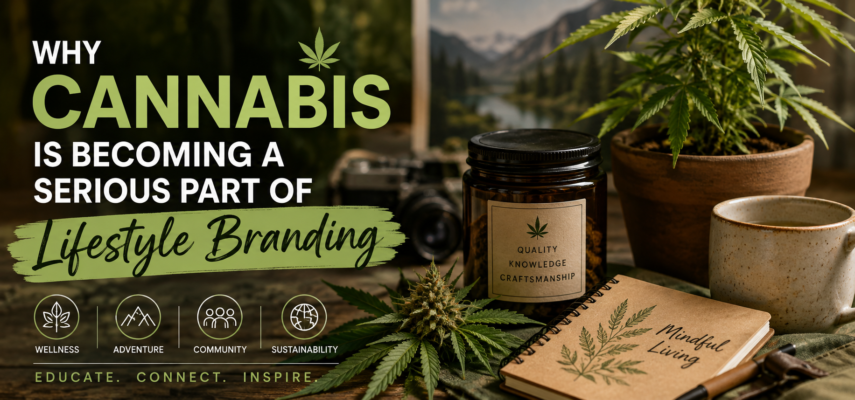

[Photo by Dmitry_Tishchenko on Canva].
Lifestyle branding has shifted dramatically over the past decade. Consumers are no longer drawn solely to products based on features or price. Instead, they gravitate toward brands that reflect their values, routines, and personal identities. From specialty coffee to outdoor recreation, successful lifestyle brands create a sense of belonging rather than simply selling an item.
Cannabis is following a similar path. As legal markets continue to mature in many regions, conversations around cannabis have expanded beyond traditional retail experiences.
Today, businesses are increasingly presenting cannabis through themes like creativity, wellness, sustainability, craftsmanship, and community. This evolution reflects a broader cultural movement where consumers seek authenticity and experiences that fit naturally into their everyday lives.
Lifestyle Branding Is About Identity, Not Products
The strongest lifestyle brands rarely focus on what they sell. Instead, they focus on why their audience cares.
Think about companies associated with travel, fitness, or home cooking. Their messaging often centers on aspirations, routines, and shared interests rather than product specifications. They invite customers into a larger story.
Cannabis brands are adopting a similar mindset. Rather than emphasizing individual products, many are creating content around topics such as:
- Mindful living
- Outdoor recreation
- Gardening and self-sufficiency
- Creative hobbies
- Sustainability
- Community events
This approach broadens the conversation. Cannabis becomes one element of a larger lifestyle instead of the defining feature, allowing brands to connect with audiences who value balance, education, and personal choice.
Consumers Want Education Before They Buy
Modern consumers tend to research products before making purchasing decisions, particularly in newer or highly regulated industries. Educational content often carries more weight than direct advertising because it helps readers understand the bigger picture.
For businesses operating within legal cannabis markets, this means investing in articles, guides, podcasts, newsletters, and videos that answer practical questions instead of simply promoting products.
Examples include:
Understanding Cultivation
Many consumers are curious about how cannabis is grown, the role of genetics, and how cultivation practices influence the final product.
Learning About Regulations
Legal requirements vary between jurisdictions, making educational resources particularly valuable for readers trying to understand what is permitted where they live.
Appreciating Craftsmanship
Just as consumers have become interested in specialty coffee roasting or artisan food production, cannabis enthusiasts increasingly appreciate the care that goes into cultivation and breeding.
Educational content builds trust because it gives readers useful information without expecting an immediate purchase.
Authenticity Has Become a Competitive Advantage
Lifestyle branding succeeds when it feels genuine. Consumers quickly recognize messaging that appears overly promotional or disconnected from reality.
Businesses that embrace transparency often stand out by discussing topics such as responsible cultivation, sustainable practices, and the importance of quality genetics. These conversations appeal not only to experienced enthusiasts but also to newcomers who want reliable information.
For individuals interested in learning more about cultivation, reputable educational resources can be helpful. Those exploring legal cannabis genetics, for example, may choose to visit Grower’s Choice Seeds as part of their broader research into cultivation options where permitted by law.
Rather than serving as a sales pitch, resources like these fit naturally into educational discussions about growing practices and plant genetics. This type of integration reflects how lifestyle branding works best: the brand complements the conversation instead of dominating it.
Community Shapes Modern Cannabis Culture
Lifestyle brands thrive when they create opportunities for people to connect over shared interests.
Cannabis culture increasingly overlaps with broader communities centered on gardening, wellness, food, design, music, and outdoor living. Instead of existing in isolation, it has become part of conversations that extend well beyond consumption.
Community-building can take many forms:
- Educational workshops
- Gardening discussions
- Local events
- Creative collaborations
- Online forums focused on cultivation and responsible practices
These interactions encourage learning and participation rather than simple transactions. People often return because they value the community experience as much as the products themselves.
This cultural shift also helps normalize discussions around cannabis by placing them alongside familiar hobbies and lifestyle interests.
Storytelling Creates Stronger Brand Connections
Every successful lifestyle brand tells stories.
Some focus on craftsmanship. Others emphasize family traditions, sustainability, innovation, or local communities. These narratives help audiences understand what a brand stands for beyond its catalog.
Cannabis businesses have an opportunity to tell meaningful stories about:
- Growing Knowledge: Sharing educational insights about cultivation techniques, breeding, and responsible growing practices.
- Agricultural Heritage: Highlighting farming traditions and the expertise involved in producing high-quality plants.
- Personal Passions: Featuring growers, educators, and community members who contribute to the industry through knowledge and experience.
- Environmental Responsibility: Discussing cultivation methods that prioritize resource efficiency and thoughtful agricultural practices.
When storytelling remains informative rather than promotional, it strengthens credibility and gives readers a reason to stay engaged.
Lifestyle Branding Requires Long-Term Thinking
Many businesses focus heavily on short-term promotions, but lifestyle brands typically invest in relationships that develop over time.
This means consistently publishing helpful content, participating in meaningful conversations, and responding to evolving consumer interests. Rather than chasing trends, successful brands establish recognizable values that remain consistent across every touchpoint.
For cannabis businesses, this often involves balancing education with accessibility. New audiences may be curious but unfamiliar with industry terminology or cultivation practices. Clear, approachable content lowers barriers and creates a more welcoming experience.
At the same time, experienced enthusiasts continue to appreciate thoughtful discussions about genetics, cultivation methods, and the craftsmanship behind legal cannabis production. Serving both audiences requires careful communication that prioritizes clarity over hype.
Final Thoughts
Cannabis is steadily becoming part of lifestyle branding because the conversation has expanded far beyond products alone. Today’s audiences are interested in authenticity, education, community, and experiences that align with their values. Businesses that embrace these themes are better positioned to build lasting relationships with readers and customers alike.
As legal cannabis markets continue to develop, the brands that stand out will likely be those that inform before they promote, contribute to meaningful conversations, and create genuine value through education and storytelling.
Lifestyle branding is ultimately about helping people connect with ideas that matter to them. That principle applies just as strongly to cannabis as it does to any other modern industry.