










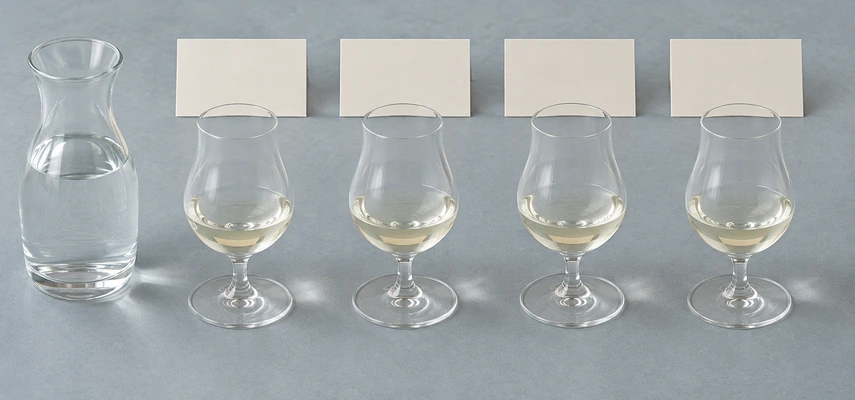

Why do sake regions taste different when brewers across Japan can obtain similar rice, yeast and equipment? The answer involves both regional resources and individual decisions. Geography influences what is available and how traditions developed, while producers select materials and manage processes for particular products. The result is a pattern with variation, not a set of flavors locked behind prefectural borders.
A regional tasting works best when it tests that relationship. Start with bottles from the same grade, keep the serving conditions comparable and record other production differences. Then describe the actual samples before consulting the regional expectations. You may find familiar tendencies, interesting departures or both.
Sake regions are a context, not a recipe
The JSS regionality overview discusses regional characteristics alongside changes brought by modern production and distribution. Rice and skilled workers can move, selected yeasts can be shared, and refrigeration can extend control beyond local winter conditions. None of that makes regional history irrelevant.
It does mean a place name can’t supply the entire production record. A Niigata brewery can make a fuller expression, while a Hyogo producer can pursue delicacy. The useful question is how the region and the stated product choices work together, rather than whether the sake obeys a simplified stereotype.
Quality is another separate issue. A regional reputation doesn’t establish the balance, condition or finish of one bottle. Even a well-made product can change through unsuitable storage. Use regional context to explain possibilities and sensory evidence to judge the actual result.
Set up the same-grade comparison
The WSET specification recommends a same-grade regional comparison including Hyogo, Kyoto, Niigata and Hiroshima or Saga. This lesson selects Hiroshima for the fourth sample. Hyogo can be represented by Nada or Kobe, and Kyoto by Fushimi.
Choose one shared designation that is practical to obtain across all four. For example, four junmai samples can reduce the ingredient-family difference that would appear if one were honjozo and another junmai. This doesn’t make the production identical; it holds one important dimension more nearly steady.
Record the actual grade, rice information, polishing, ABV, heat history and maturation where available. Also note the bottle’s condition and opening date. A long-matured nama genshu beside three youthful diluted pasteurized samples would introduce major differences beyond region, even if their premium designation matched.
Control service before explaining production
Use the same clean glass type and a consistent starting temperature. Equal pours help keep the comparison manageable, and a neutral setting reduces distraction. Avoid strongly flavored food during the initial assessment unless the exercise is explicitly about pairing.
If possible, have someone assign neutral sample codes so the first descriptions are blind. This reduces the temptation to write firm and dry merely because Nada is printed on the bottle. The goal isn’t to trick yourself; it is to let the glass contribute evidence before the reputation starts narrating.
Taste in a consistent sequence, then revisit in another order where appropriate. A richer or sweeter sample can change the impression of the next one. Water and a pause help, but the palate isn’t an unchanging instrument. Record uncertainty rather than forcing an exact distinction that you can’t perceive reliably.
Rice influences the starting material
Variety, growing conditions and grain quality affect processing suitability. Polishing and preparation then change what enters fermentation. The JSS production account connects these decisions with the brewing sequence, which helps explain why rice origin alone isn’t the final flavor.
A region with well-developed rice agriculture may support reliable supply and close grower-brewer relationships. Yet a local brewery can buy rice from elsewhere, and a celebrated variety can be used across regions. Distinguish brewery location from rice-growing origin when reading the labels.
In the tasting, a fuller palate might relate to rice-derived components and dissolution, but it doesn’t identify the exact variety by itself. Several varieties and production plans can lead to similar texture. Use the rice information to build a plausible explanation after observation, not a guaranteed reverse identification.
Water affects fermentation through composition
Relevant minerals can support yeast and enzyme-related processes, while unwanted components can cause problems. Hardness is a useful broad clue but doesn’t summarize every important constituent. Two sources described as soft need not have the same complete analysis.
The brewer also manages the environment. Nutrition, rice and koji proportions, temperature and fermentation endpoint interact with water. A rule such as harder water always produces drier sake ignores those choices. The final sugar balance isn’t a direct reading from a geological map.
For the four-region exercise, water is one factor to investigate through reliable source information. Don’t taste a firm palate and claim to have measured magnesium. The observation and the proposed mechanism are different kinds of evidence and should remain visibly separate in your notes.
Climate creates opportunities and constraints
Cold-season conditions historically supported brewing by assisting temperature control and limiting some unwanted microbial activity. Growing-season conditions also influence which rice performs well. These are distinct links: the field and the brewery operate at different stages and often in different seasons.
Modern cooling and controlled rooms modify the relationship with outdoor conditions. A warm day doesn’t establish the temperature inside a managed tank. Conversely, sophisticated equipment doesn’t remove the need to understand materials or local supply conditions.
Write the mechanism rather than the slogan. Snow country can provide water resources and a cold brewing context; it doesn’t add a particular fruit aroma directly. Yeast metabolism, mash management and later handling still connect those conditions with the finished expression.
Traditions move through people
Toji training, technical institutes and producer cooperation can establish regional habits and refine them. The method can then travel with workers or published research. A region’s influence may therefore appear in sake made far from the tradition’s original home.
This explains why a guild association and a prefecture aren’t interchangeable categories. A skilled brewer adapts to the actual water, rice and equipment at the workplace. Training supplies judgment and technique rather than a compulsory recipe carried unchanged between breweries.
Commercial preferences also matter. A house style can be maintained through blending and finishing, while other bottlings intentionally vary. Consumer expectations help explain a regional reputation, but don’t require every producer to meet the same flavor brief indefinitely.
Read the four regional anchors carefully
For Hyogo’s Nada or Kobe example, investigate rice, specific water resources, skilled brewing and market history. The official Kobe account provides that combined context. Firm, relatively dry expressions are a useful reference without becoming a universal requirement.
For Kyoto’s Fushimi example, the brewers’ account connects water and brewing culture. A rounded or mellow reputation can guide attention, but it doesn’t prove sweetness or a particular acidity in the sample. Read and taste the actual product.
For Niigata, the NTA regional specification links a clean light reputation with natural resources and technical development. For Hiroshima, the brewers’ history highlights adaptation through soft-water brewing. Neither account supplies a complete flavor guarantee.
Work through an original hypothetical result
Imagine four same-grade samples. The Nada example feels firm and dry, Fushimi rounded, Niigata light and restrained, and Hiroshima fragrant with a softer texture. These invented observations resemble familiar tendencies, but the exercise hasn’t proved region caused every difference.
Check the product information. If the Hiroshima sample used a different aromatic yeast and the Nada sample has higher ABV, those are relevant explanations too. A stronger response integrates the confirmed facts rather than choosing geography or production as mutually exclusive stories.
Now imagine the Niigata example is the fullest of the four. Don’t discard the observation to protect the stereotype. Ask about rice, fermentation, dilution and maturation. An unexpected result is useful because it exposes which assumptions were doing more work than the evidence allowed.
Turn the comparison into a written answer
State the observed difference, identify a supported factor and explain the mechanism with a qualification. For example, controlled fermentation and finishing may help explain a clean light expression, while regional resources and training provide context. Avoid claiming an exact process unless it is supplied or independently verified.
The word because should earn its place. A sample is not dry because it comes from a dry region; that repeats the observation as a label. Explain sugar production and consumption, concentration or perception where relevant, then connect the confirmed regional or product factor to that process.
One practical way to organize the notes is to use three columns: observed, confirmed and possible. Put light body in observed, the stated alcohol strength in confirmed, and a proposed effect of dilution in possible unless the process is documented. This stops a plausible explanation from quietly becoming a fact. After discussion, revise the possible column when new label information arrives, but preserve the original observations unless a repeat tasting genuinely changes them. The result is a useful record of how evidence improved the explanation rather than a polished story that hides every uncertainty.
Check the regional background in the northern, central and Hyogo, Nara and Hiroshima lessons. Keep your descriptive method consistent with the systematic approach to tasting so geography does not supply the note in advance.
One-page revision summary
Compare the same grade across Hyogo, Kyoto, Niigata and Hiroshima or Saga, then control service and record remaining differences. Explain rice, water, climate and traditions through mechanisms. Distinguish observation, confirmed fact and inference. Regional tendencies make useful questions, while the actual samples determine the answers.
Written practice: original TFE exercises
These suggested marks and indicative points are independent teaching guidance, not official WSET marking schemes.
Exercise 1: 5 suggested marks
Design a same-grade four-region tasting that reduces obvious confounding factors. Mapping: Unit 1 LO2.
Indicative marking points:
- Use Hyogo/Nada or Kobe, Kyoto/Fushimi, Niigata and Hiroshima or Saga.
- Choose one shared designation.
- Record rice, ABV, heat and maturation differences.
- Use identical glassware and consistent starting temperature.
- Describe blind before applying regional expectations.
Model answer: Select one shared designation across Nada or Kobe, Fushimi, Niigata and Hiroshima. Record rice, ABV, heat history and maturation so differences remain visible. Use identical glasses and a consistent starting temperature, then describe coded samples before revealing the origins and discussing regional factors.
Why it works: It holds some variables steady while recording those that remain uncontrolled, rather than pretending same grade means identical production.
Common mistake: Comparing unrelated styles at different temperatures and attributing every difference to prefecture.
Exercise 2: 5 suggested marks
Explain why an unexpectedly full Niigata sample does not invalidate either the observation or the usefulness of regional study. Mapping: Unit 1 LO2.
Indicative marking points:
- Regional descriptions are tendencies rather than compulsory profiles.
- The actual sensory observation should be retained.
- Rice and fermentation can differ between products.
- Dilution, maturation and service can also affect fullness.
- Regional context remains useful when combined with confirmed product facts and qualified reasoning.
Model answer: A regional tendency does not require every Niigata sake to be light. Retain the observed fullness and investigate rice, fermentation, dilution, maturation and service. These individual variables can explain a departure while the region still supplies useful context about resources and traditions.
Why it works: The answer preserves evidence and uses the unexpected result to refine the explanation rather than forcing a stereotype.
Common mistake: Changing the tasting note to fit the region or claiming the origin label must be false.
Knowledge check: 10 original practice questions
Independent TFE questions, not official WSET examination items. Choose one answer per question; explanations follow separately.
1. What can a four-bottle flight establish?
2. What does using the same grade control?
3. How can climate affect sake?
4. What should be done with a full-bodied Niigata observation?
5. Which is the strongest explanation style?
6. What does a firm palate directly reveal about water?
7. Which fourth region fits the specified comparison alongside Hyogo, Kyoto and Niigata?
8. Why can a brewing tradition appear outside its home region?
9. Why begin with coded samples?
10. Which is a possible confounder in a regional flight?
Answers and explanations
1. C — Evidence about the selected samples and useful tests of regional tendencies.. The exercise is informative without being an exhaustive regional experiment. Mapping: Unit 1 LO2 regional comparison.
2. B — One important classification dimension, with other differences remaining.. Shared designation improves comparison without creating identical production. Mapping: Unit 1 LO2 regional comparison.
3. B — Through growing conditions and the practical brewing environment.. Climate acts through stages and mechanisms rather than supplying a complete finished style. Mapping: Unit 1 LO2 regional comparison.
4. A — Retain it and investigate the individual production.. Actual evidence takes precedence over deterministic expectations. Mapping: Unit 1 LO2 regional comparison.
5. B — Observation plus supported factor, mechanism and qualification.. Causal reasoning adds a mechanism rather than repeating a label. Mapping: Unit 1 LO2 regional comparison.
6. D — No exact analysis without separate source evidence.. A sensory observation can support discussion but does not measure a water source. Mapping: Unit 1 LO2 regional comparison.
7. C — Hiroshima or Saga.. The recommended exercise allows Hiroshima or Saga; this lesson chooses Hiroshima. Mapping: Unit 1 LO2 regional comparison.
8. C — Workers and technical knowledge can travel.. Human transmission helps explain both regional identity and overlapping techniques. Mapping: Unit 1 LO2 regional comparison.
9. A — To reduce expectation-driven descriptions.. Blind description gives the sample a chance to supply evidence before the origin frames it. Mapping: Unit 1 LO2 regional comparison.
10. D — Different heat histories and maturation.. These variables can produce differences independent of geography. Mapping: Unit 1 LO2 regional comparison.












