










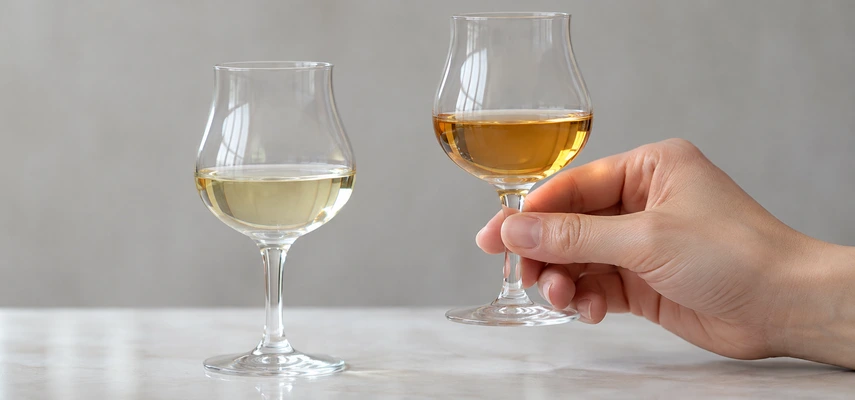
Sake quality becomes easier to discuss when a verdict has to earn its place. Saying that a sample is excellent tells the reader your conclusion. E
Continue ReadingThe WSET Level 3 Systematic Approach to Tasting Sake Explained

Tasting sake systematically means giving each sample a fair chance to tell you what it is like. A consistent order reduces omissions and makes com
Continue ReadingAdvanced Food and Sake Pairing Explained: Sweetness, Umami, Acidity, and Heat
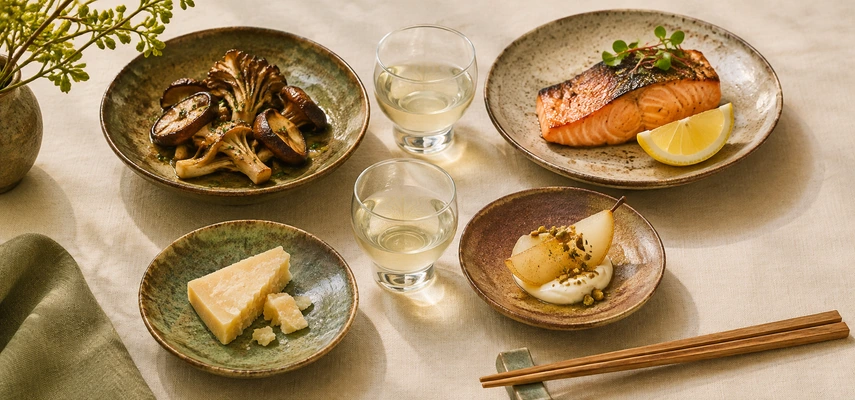
A useful sake pairing recommendation explains what happens when the guest takes a bite and then a sip. Naming a famous category beside a famous di
Continue ReadingProfessional Sake Service Explained: Temperatures, Vessels, and Decanting
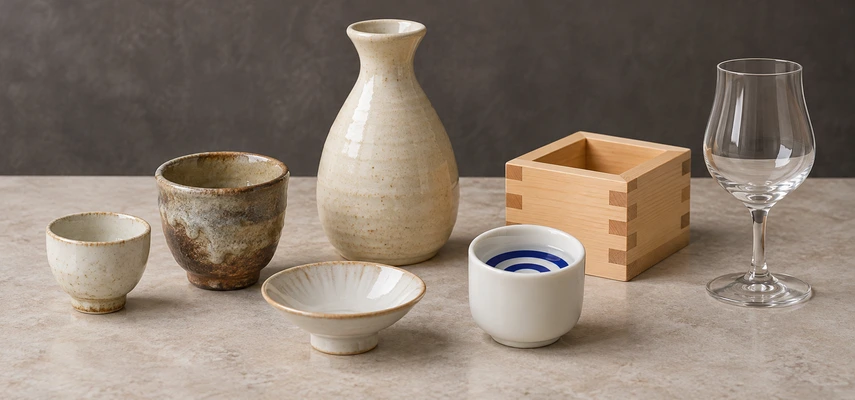
Professional sake service starts with the actual product and the guest's intended experience. Temperature, vessel and pouring can change how aroma
Continue ReadingSake Storage and Faults Explained: Oxidation, Hine, Nama-hine, and Spoilage
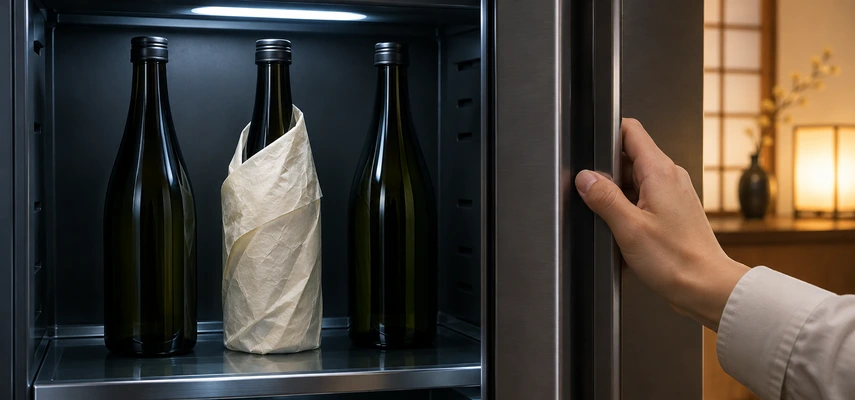
Sake storage is part of preserving the brewer's intended result. A delicate aromatic bottle, an unpasteurized product and a deliberately matured k
Continue ReadingThe Economics of Sake Explained: Breweries, Production, and Global Exports
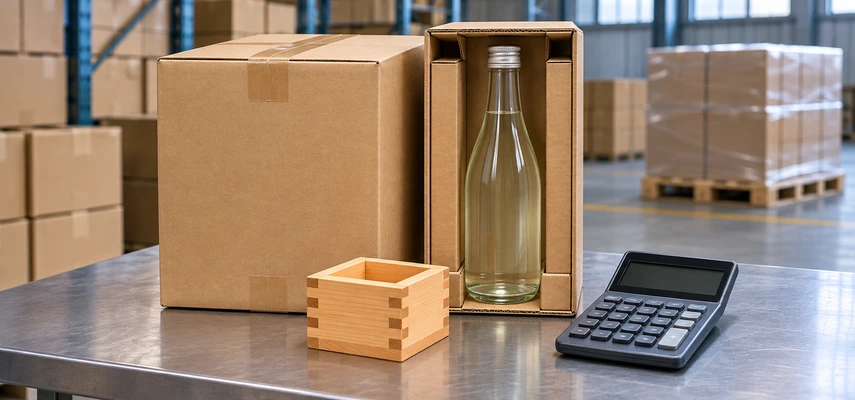
The economics of sake becomes much clearer when every number arrives with its label attached. Production, shipment, consumption and exports are di
Continue ReadingJapan’s Sake Industry Explained: Tōji Guilds, Research Institutes, and Trade Organisations
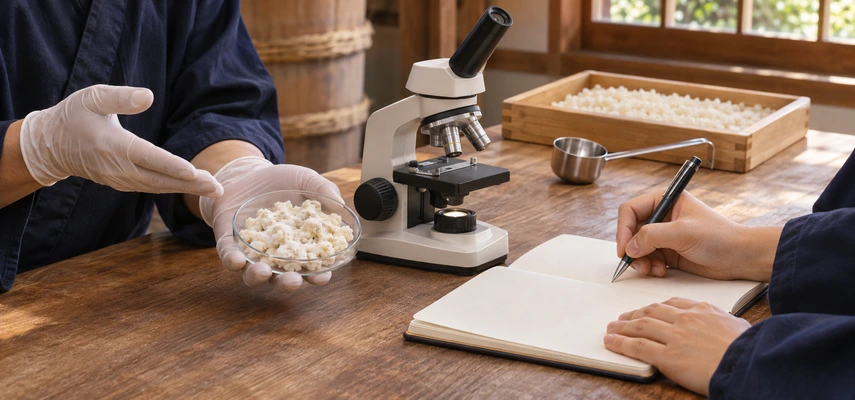
The sake industry is larger than the people standing beside a fermentation tank. Growers supply suitable rice, trained brewers turn it into a prod
Continue ReadingWhy Japanese Sake Regions Taste Different: Rice, Water, Climate, and Brewing Traditions
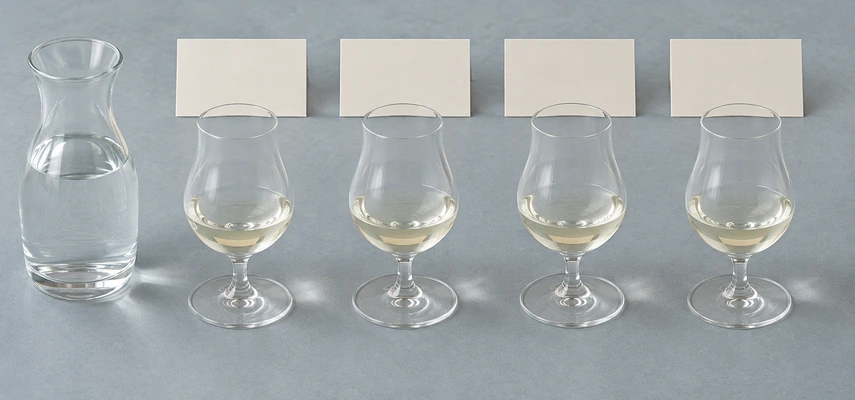
Why do sake regions taste different when brewers across Japan can obtain similar rice, yeast and equipment? The answer involves both regional reso
Continue ReadingWestern Japan’s Sake Regions Explained: Hyōgo, Nara, and Hiroshima
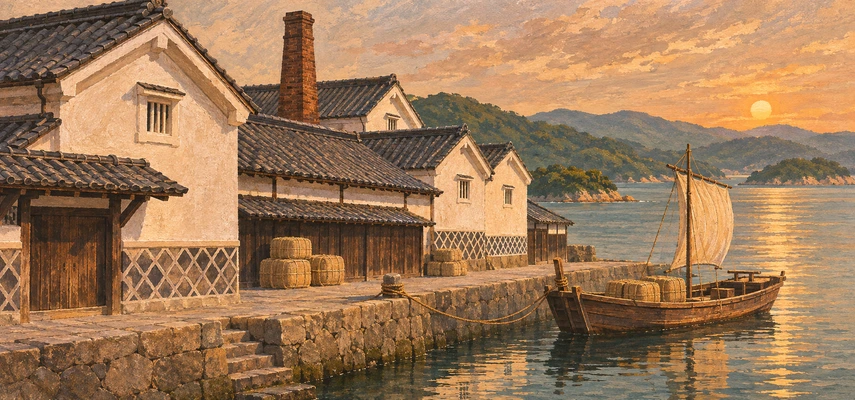
Western Japan's sake regions show how a useful resource becomes more powerful when someone learns to work with it. Hyogo combines renowned rice-gr
Continue ReadingCentral Japan’s Sake Regions Explained: Ishikawa, Nagano, and Kyōto
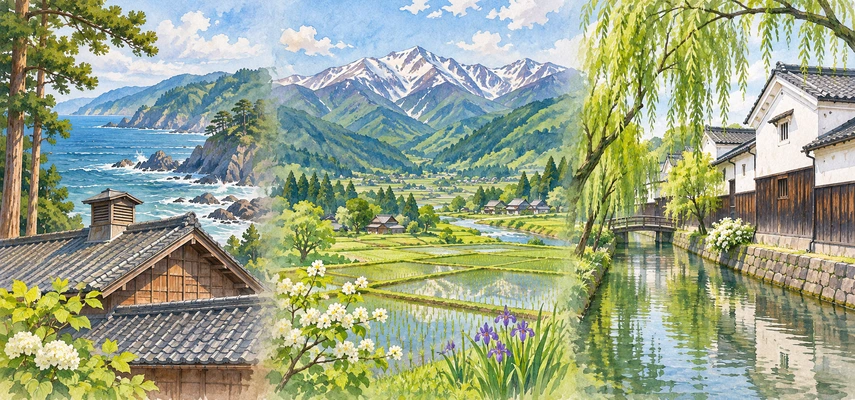
Sake regions become more interesting when they stop behaving like three adjectives on a revision card. Ishikawa, Nagano and Kyoto offer coastal, a
Continue Reading









