










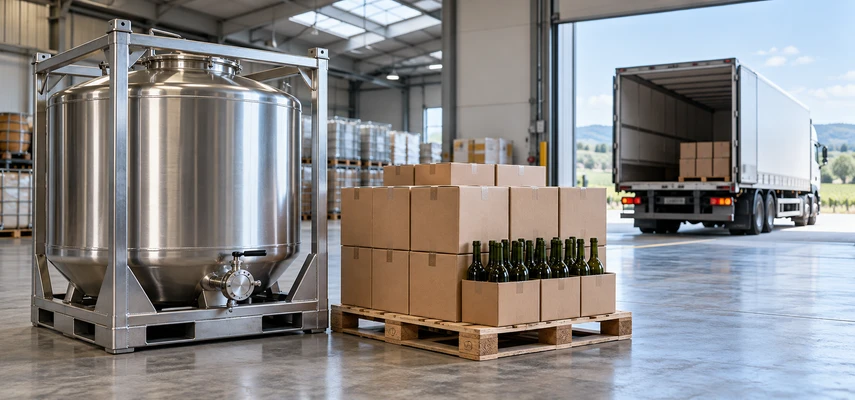
A container arriving on time is a logistical success. It isn't necessarily a commercial one. If the wine sits in a warehouse without reaching buye
Continue ReadingWine Business Models Explained: Estates, Growers, Merchants, Co-operatives, and Conglomerates
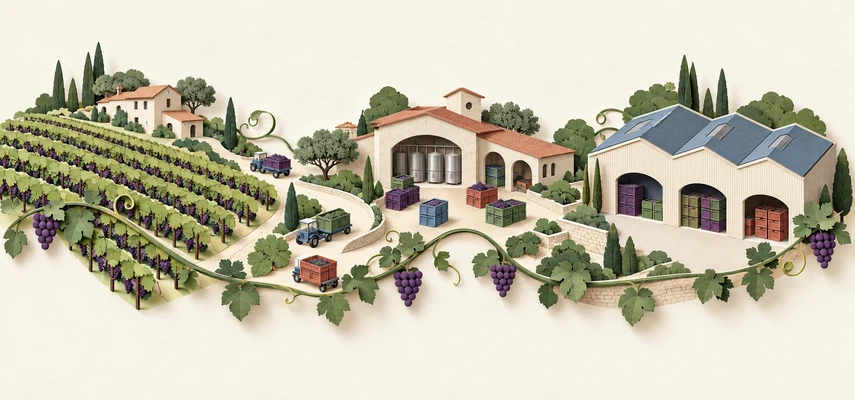
The name on a bottle doesn't tell you who owned the vineyard, who operated the press or who paid to hold the wine before sale. One business may do
Continue ReadingWine Taxes, Tariffs, Exchange Rates, and International Trade Explained
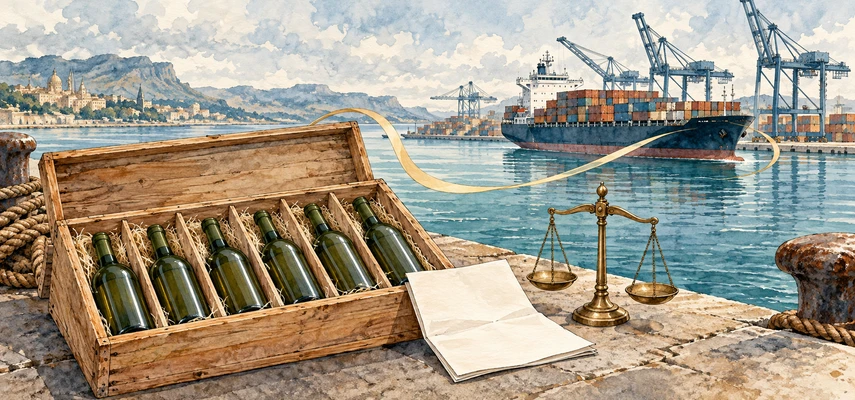
A wine can become more expensive abroad without its producer changing the price. A tariff may rise, the buyer's currency may weaken, or a new labe
Continue ReadingWine Pricing Explained: Cost Structures, Premiumization, and Retail Markups
Buy a bottle for 10 and sell it for 15. The difference is 5, but what percentage have you made? The answer depends on the question. The markup is
Continue ReadingThe Economics of Winemaking: Winery Investment, Maturation, Packaging, and Margins
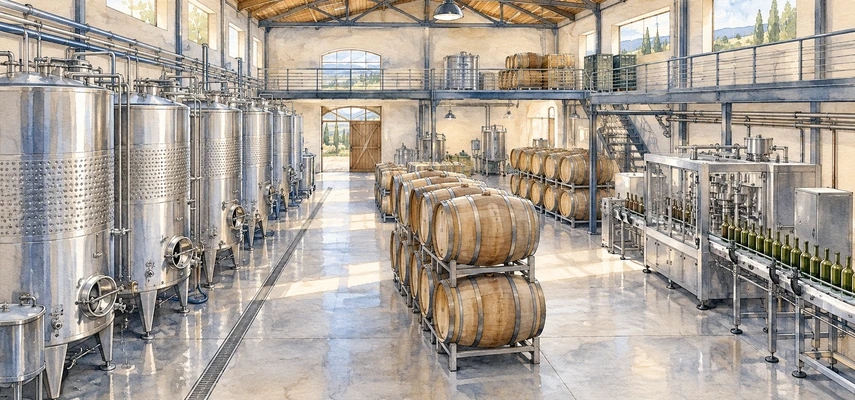
A winery can have a beautiful barrel room and a rather ugly cash-flow forecast. The two are perfectly compatible. Equipment, wine and packaging al
Continue ReadingThe Economics of Grape Growing: Vineyard Land, Labor, Yields, and Production Costs
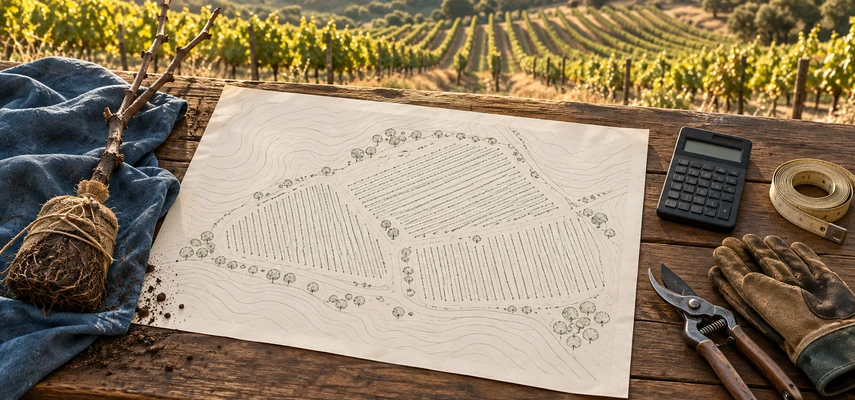
A vineyard can sell its entire crop and still fail to cover its full cost. The harvest cheque must support more than that season's spraying and pi
Continue ReadingWine Supply and Demand Explained: Production, Consumer Behavior, and Market Prices
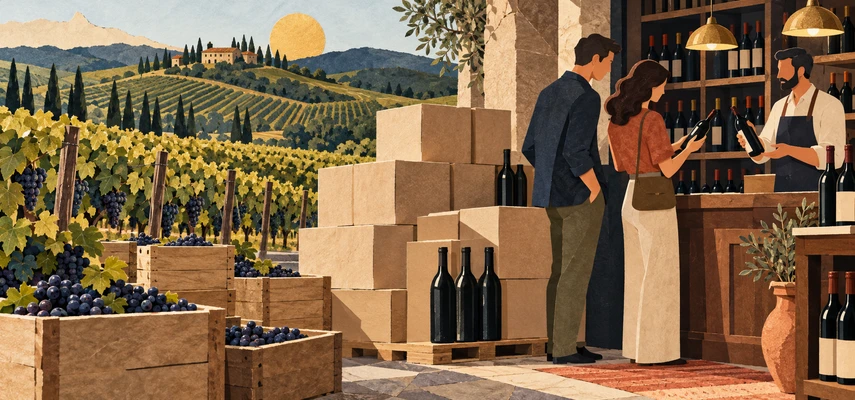
A small harvest does not guarantee higher wine prices. Buyers may be ordering less, warehouses may already be full, or the shortage may concern a
Continue ReadingWine Maturation, Stabilisation, Faults, and Packaging Explained: Quality and Cost
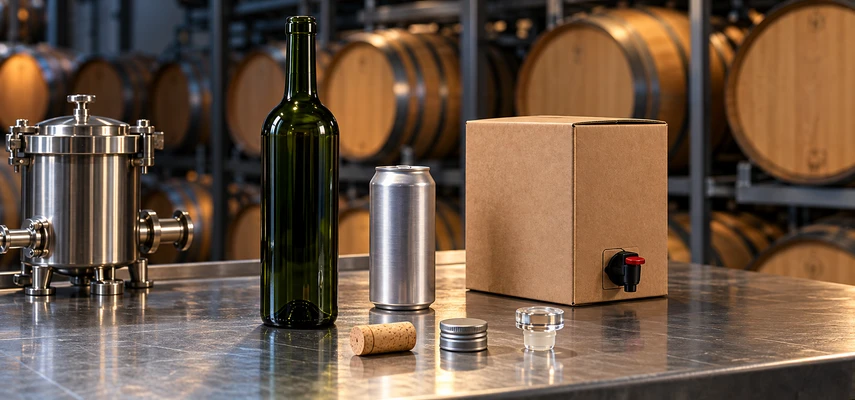
A wine can leave fermentation in excellent condition and still disappoint when its bottle is opened. Time in a vessel, a final blend, a filtration
Continue ReadingModern Winemaking Explained: Alcohol Adjustment, Low-Alcohol Wines, and Production Tradeoffs
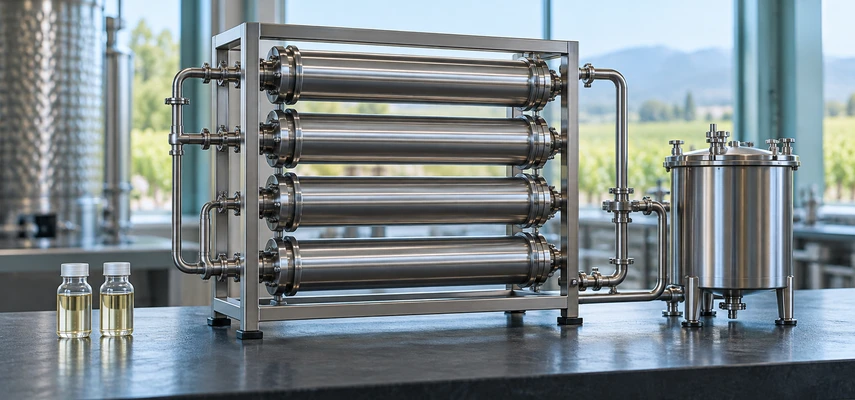
Removing alcohol does not leave an otherwise identical wine behind. Ethanol affects warmth, flavour release, texture and the environment in which
Continue ReadingSweet Wine Production Explained: Noble Rot, Dried Grapes, Icewine, and Residual Sugar
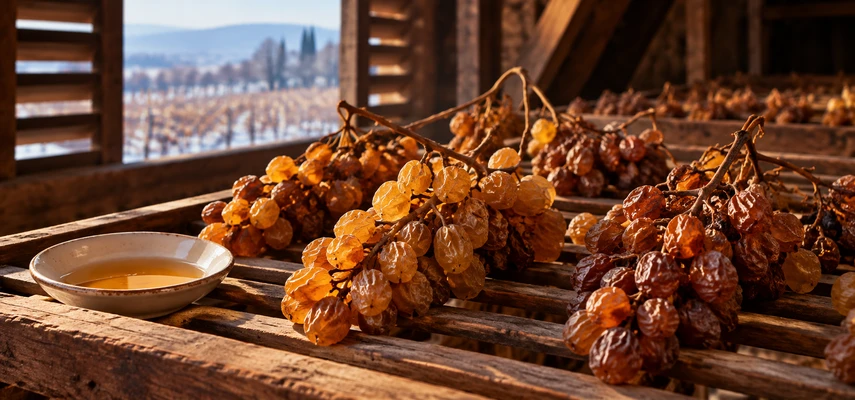
Concentrated grapes do not automatically make a sweet wine. Yeast can consume their sugar, producing a powerful dry wine instead. Sweet wine produ
Continue Reading








