










Why do sake regions taste different when brewers across Japan can obtain similar rice, yeast and equipment? The answer involves both regional reso
Continue ReadingWestern Japan’s Sake Regions Explained: Hyōgo, Nara, and Hiroshima
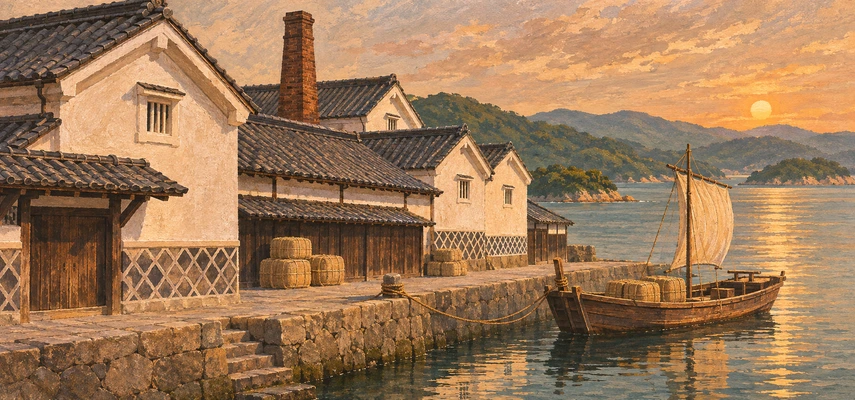
Western Japan's sake regions show how a useful resource becomes more powerful when someone learns to work with it. Hyogo combines renowned rice-gr
Continue ReadingCentral Japan’s Sake Regions Explained: Ishikawa, Nagano, and Kyōto
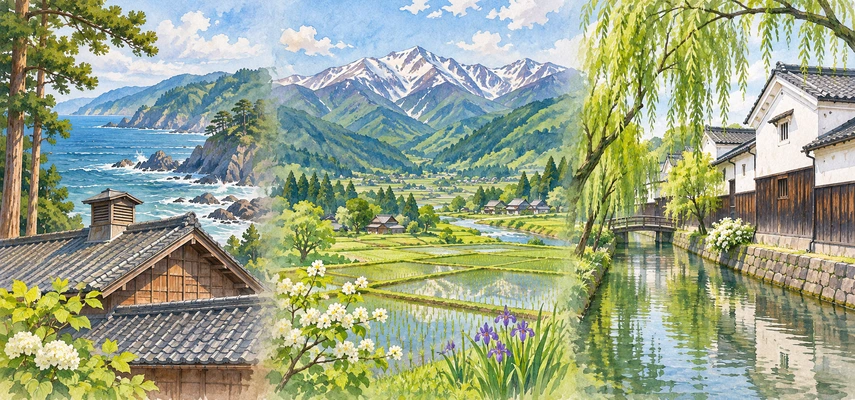
Sake regions become more interesting when they stop behaving like three adjectives on a revision card. Ishikawa, Nagano and Kyoto offer coastal, a
Continue ReadingNorthern Japan’s Sake Regions Explained: Iwate, Yamagata, and Niigata
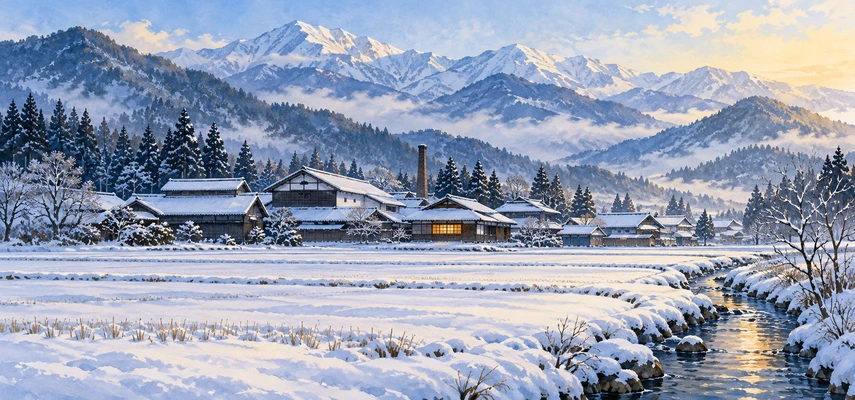
Japan's sake regions are easier to remember when the landscape becomes a set of practical brewing questions. What rice can be grown reliably? What
Continue ReadingHow to Read Advanced Sake Labels: Japanese Kanji and Production Terms
Sake labels can look intimidating when a brand name, a calligraphic flourish and a production term all compete for attention. You don't need to tr
Continue ReadingKijōshu, Taru-zake, Koshu, and Sparkling Sake Explained
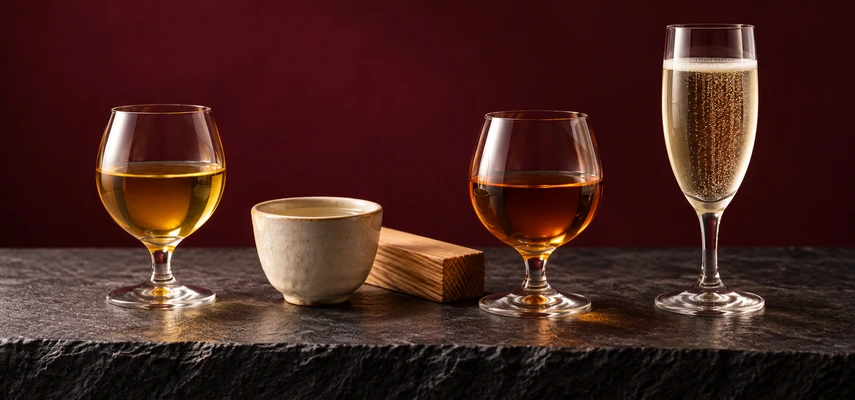
Sparkling sake makes the breadth of sake immediately visible, but bubbles are only one route away from a familiar clear, still expression. Kijoshu
Continue ReadingNigori, Nama, Genshu, and Muroka Sake Explained
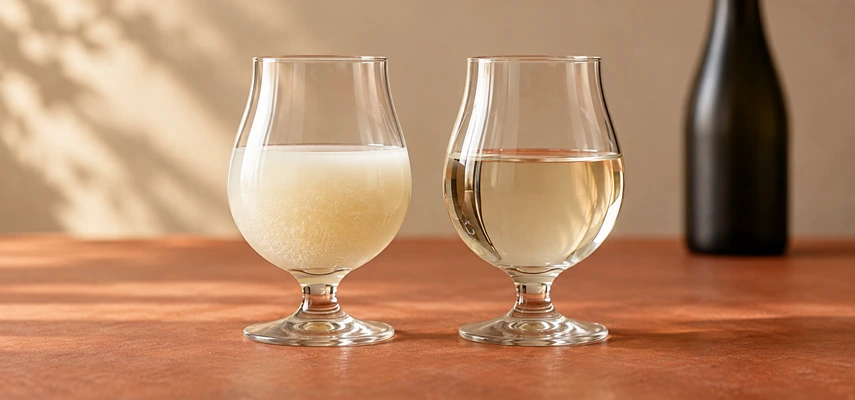
Nigori sake, nama, genshu and muroka can appear together on a label, which makes them look like competing categories in one classification system.
Continue ReadingGinjō and Daiginjō Sake Explained: Aromatic Styles and Quality
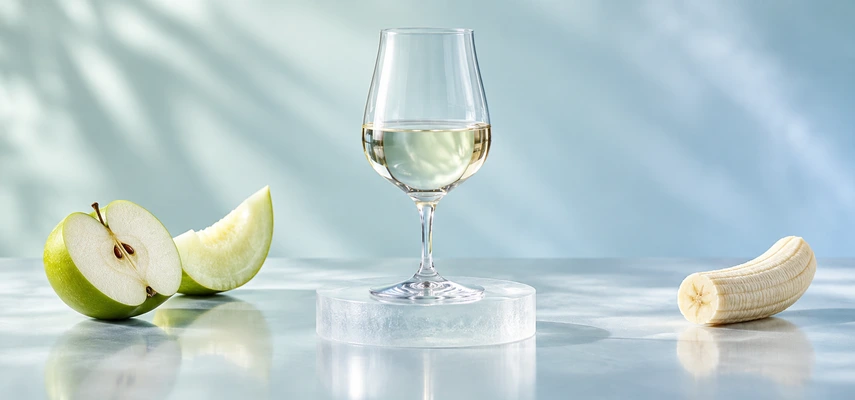
Ginjō and Daiginjō can make a useful party trick out of a simple ingredient list: rice, water and the work of microorganisms can produce aromas
Continue ReadingJunmai, Honjōzō, and Tokubetsu Sake Explained: Ingredients and Production Rules
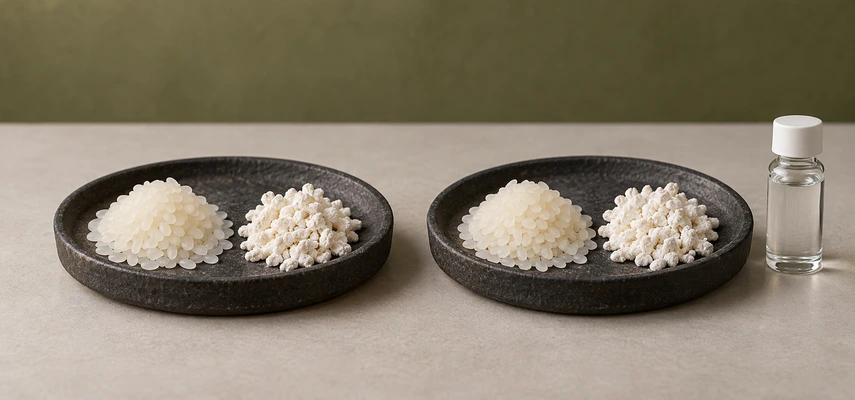
Junmai and honjozo are often introduced as pure rice versus added alcohol. That is a useful first signpost, but a poor place to stop. The ingredie
Continue ReadingSake Classifications Explained: Futsū-shu and the Eight Premium Grades
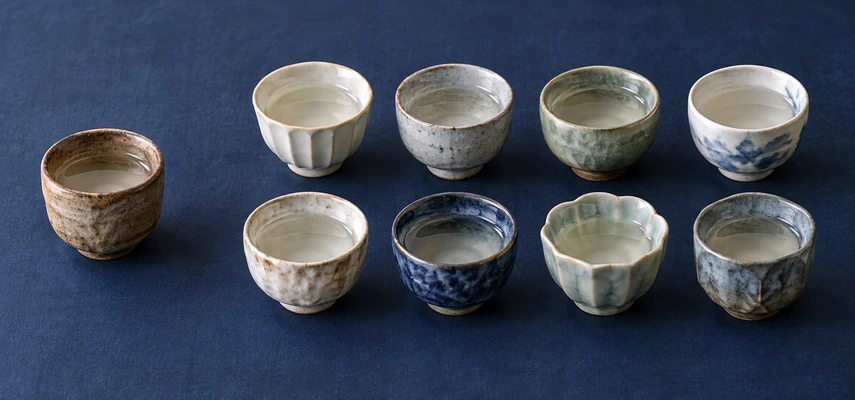
Sake classifications make a crowded label easier to understand, provided you ask them the right questions. They can tell you about ingredients, ri
Continue Reading









