











Southern and central Portugal offer more than one version of generous fruit and sunshine. Alentejo’s varied inland sites, Lisboa’s Atlantic exposure, Setúbal’s contrasting plains and hills, and Tejo’s river-influenced landscapes create different growing conditions. Their wines also range well beyond one familiar grape or production method.
For Diploma study, separate geographical region, protected name and actual style. An Alentejano label isn’t a tasting grade, a Setúbal regional connection doesn’t make every wine fortified, and a Portuguese blend isn’t an admission that the producer forgot to choose a grape. The useful question is what the combination achieves.
Alentejo: distinguish subregions and production aims
Alentejo occupies a broad southern inland area east of Lisboa and Setúbal. Its protected production includes eight subregions, while Alentejano PGI has a broader framework. The national institute’s regional account identifies Portalegre, Borba, Redondo, Reguengos, Évora, Vidigueira, Moura and Granja-Amareleja. They don’t all share one elevation, soil or degree of summer heat.
Aragonez, Trincadeira, Alicante Bouschet and Castelão provide important red references, with local and international varieties offering other options. Antão Vaz, Arinto and Roupeiro help give whites their own place. A generous red blend and a refreshing white need different picking and cellar choices; a regional reputation for ripe fruit doesn’t decide either wine’s final balance.
Portalegre’s elevated settings and other local relief complicate the flat-plain image. The official August 2026 notice removed the former 700-metre maximum reference for Portalegre. That change isn’t a guarantee that every higher site is suitable or every high-grown wine tastes better. It makes an undated assertion of the old ceiling unreliable.
For Alentejo vineyards, temperature and sunlight affect ripening, acid retention and fruit exposure. Water availability and nutrient availability depend on rainfall, rooting, soil depth and drainage. Weather can bring frost, hail, heat, drought and harvest rain; mildew and bunch rot remain possible. Vineyard establishment and planting materials must suit site and water conditions. Nutrient and water management, canopy management, harvest timing, hazard management and pest and disease management should preserve healthy fruit rather than assuming more stress always improves concentration. An elevated Portalegre source and a warmer low parcel need separate plans.
Read talha as a method with defined conditions
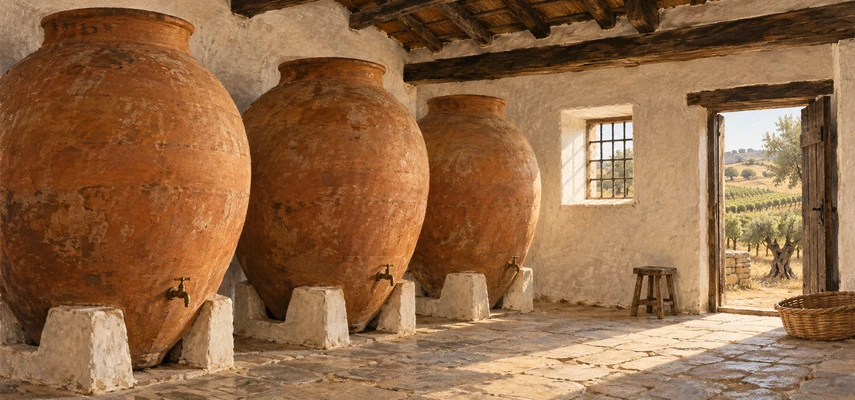
Talha refers to the traditional clay-vessel route, with white, red and mixed-colour possibilities under applicable conditions. Clay isn’t a synonym for every orange wine, and not every wine touching a ceramic vessel qualifies for the protected expression. Fermentation, skin contact, oxygen management and hygiene still require decisions.
The August 2026 notice extends Vinho de Talha to qualifying Alentejano PGI as well as Alentejo DO wines. Its conditions include traditional fermentation and keeping the material in talha from fermentation’s start until at least 11 November of the harvest year, specified grapes and restrictions on wood and enrichment. Check the complete conditions before applying the expression. This is a defined route, not an invitation to call any clay-aged wine traditional talha.
The same notice introduces age-related vineyard expressions with specific eligibility conditions. Such information can add meaning to a label without establishing outstanding sensory quality by itself. Old vines still need healthy crops, sound handling and a customer who values the result. Their age doesn’t pay the storage bill.
Lisboa: put the Atlantic strip beyond the city
Lisboa’s wine region extends north of the Tejo estuary along Portugal’s Atlantic side. It isn’t limited to the capital’s immediate surroundings. The IVV regional account distinguishes broad Lisboa PGI from individual origins including Bucelas, Colares, Alenquer, Arruda, Torres Vedras, Óbidos and Encostas d’Aire. Carcavelos supplies a separate fortified-wine reference, while Lourinhã is associated with protected wine spirit.
Coastal exposure and local shelter create important differences. An exposed Colares parcel and a more sheltered inland source won’t necessarily ripen on the same timetable. Bucelas gives Arinto a distinctive white reference; Colares is associated with Ramisco and Malvasia de Colares, including the historic sandy-site ungrafted tradition. That doesn’t mean all regional vines are immune to phylloxera or all wines share one soil.
The Lisboa commission’s wine account places these local identities within a broader range of blends and styles. Treat promotional promises of decades of ageing as possibilities to assess, rather than a fixed lifespan for every Arinto. The actual bottle’s retained fruit, acidity, texture and condition need to support the argument.
In Lisboa vineyards, temperature and sunlight respond to Atlantic influence, aspect and shelter. Water availability and nutrient availability depend on soil, rooting, rainfall and drainage. Weather can bring frost, hail, heat, drought, storms and harvest rain, while mildew and bunch rot need monitoring. Vineyard establishment considers wind, access and drainage, with planting materials matched to conditions. Nutrient and water management, canopy management, harvest timing, hazard management and pest and disease management need to balance ripening with fruit protection. An ocean view is pleasant, but it isn’t a disease-control programme.
Setúbal: separate the peninsula from the fortified name
The Península de Setúbal lies south of the Tejo estuary, with the Sado, Atlantic and Arrábida landscape influencing its vineyards. Sandy plains differ from hill slopes with clay-limestone materials. The national regional account distinguishes Península de Setúbal PGI, Palmela PDO and Setúbal PDO. The last is the protected fortified-wine identity; it shouldn’t swallow the whole region’s still-wine production.
Castelão gives Palmela and the broader peninsula an important red reference, alongside other permitted material. Whites and rosados also belong in the range. A seller needs to identify whether a bottle is a dry still wine or a fortified Moscatel before explaining its production and drinking occasion. The later fortified-wine unit develops the Moscatel route separately.
For Setúbal vineyards, temperature and sunlight vary between plains, slopes and maritime exposure. Water availability and nutrient availability depend on soil depth, sand or clay content, rooting and rainfall. Weather can bring heat, drought, hail, frost in vulnerable locations and harvest rain; mildew and bunch rot remain possible. Vineyard establishment and planting materials should fit drainage, access and water conditions. Nutrient and water management, canopy management, harvest timing, hazard management and pest and disease management need to preserve balanced fruit. A Castelão red and an aromatic white shouldn’t share a picking decision simply because they grow near the same estuary.
Tejo: give the river landscape more than one soil
Tejo occupies a central Portuguese wine landscape around the river, extending beyond its immediate floodplain. The regional commission’s terroir account identifies Campo, Bairro, Charneca and Serras. These are useful physical growing contexts, not four compulsory sensory grades.
Campo includes fertile alluvial plains affected by periodic flooding. Bairro brings clay-limestone settings, while Charneca has sandier conditions on the river’s left side. Serras adds higher, stonier terrain. Fertile growth can require crop and canopy control; a freely draining sandy parcel can face different water demands. Calling every Tejo site a productive river flat misses the point of the comparison.
Fernão Pires gives whites a strong aromatic reference, with Arinto and other local and international varieties offering further possibilities. Red material includes Castelão, Trincadeira, Aragonez and international grapes among the regional options. The commission’s variety account helps identify those materials. Neither a blend nor a familiar international name establishes a quality level before the fruit and production are assessed.
For Tejo vineyards, temperature and sunlight interact with relief and river proximity. Water availability and nutrient availability differ between alluvial, clay-limestone, sandy and stony settings. Weather creates frost, hail, heat, drought and harvest-rain risks; flooding adds a location-specific concern, and mildew or bunch rot requires monitoring. Vineyard establishment considers access, drainage and training, with planting materials suited to the rooting environment. Nutrient and water management, canopy management, harvest timing, hazard management and pest and disease management should fit the parcel. The same rainfall event can create excess moisture in one site and useful replenishment in another.
Compare cellar choices through local grapes and aims
Winemaking approaches begin with the target style across all four regions. Careful grape transportation limits crushing, oxidation and unwanted fermentation. Reception should separate origins, varieties, health and ripeness. Processing and pressing affect yield and phenolic pickup. Antão Vaz, Arinto and Fernão Pires need white-juice decisions appropriate to fruit condition; Castelão, Aragonez and other red lots need extraction suited to their skins and intended structure.
Pre-fermentation clarification adjusts white-juice solids for the intended fermentation. Must adjustments require analysis and legal permission. Alcoholic fermentation decisions include yeast, temperature, vessel and nutrient management. Extraction and pressing should suit skin and seed maturity in reds. Malolactic conversion and subsequent maturation should fit acidity, texture and microbial stability. A fresh Tejo white and a structured Alentejo red don’t benefit from an identical programme merely because both are intended for export.
Lees maturation can build texture in suitable whites, with oxygen and microbiological condition monitored. Wood, stainless steel and eligible clay routes supply different opportunities. Blending eligible lots can improve balance while preserving origin and category entitlement. Mixing varieties, parcels and maturation lots are different decisions; assess what each contributes rather than assuming blending makes every regional wine anonymous.
Finishing adjustments, sulfur dioxide and filtration depend on analysis and stability needs. Post-fermentation clarification removes unwanted material; stabilisation considers protein and tartrate risks. Microbiological safeguards should fit analysis, retained sugar and distribution. Packaging and closures should protect the intended drinking period. Wine transportation requires suitable temperature management, including warehouses and delivery. A carefully preserved aromatic white can lose freshness after release if that final stage is neglected.
Connect protected origin, costs and customers
International and EU protection frameworks, national Portuguese law and local appellation specifications interact. Industry associations and regional bodies communicate origin, while authorised controls establish compliance. A geographical indication links place with prescribed conditions. The individual DOs operate within the PDO framework; PGI wines have separate requirements, and wines without GI cannot borrow protected names. DOC, Reserva, talha and old-vine expressions need their particular conditions rather than an automatic sensory rank.
The Tejo commission’s DO account and PGI account illustrate separate entitlement frameworks within one region. Regulatory sensory acceptance isn’t the same exercise as assigning a Diploma quality conclusion to a bottle. Flexibility can support a producer’s intended style without making every PGI wine either inexpensive or prestigious.
Supply depends on healthy fruit, weather losses, permitted yields and stocks. Demand differs between fresh aromatic whites, accessible blends, specialist local origins and traditional-method wines. Costs include vineyard labour, crop selection, sorting, temperature control, vessels, storage and finance. Legislation affects sourcing and release choices; currency exchange changes export returns. An accessible Tejo parcel, small Colares source and longer-matured Alentejo programme face different production and cash-flow pressures.
A grower may supply fruit, while an estate can coordinate vineyard and cellar decisions. A broker connects parties; a merchant sources wine or grapes; a winery provides production capacity. A virtual winery contracts production, and a custom crush facility supplies agreed services. A cooperative can share equipment and market access; a conglomerate may coordinate businesses. These are possible functions, not a claim of equal prevalence in every protected name. Contracts need to reflect fruit quality, origin entitlement, delivery and payment risk.
Importing adds freight, compliance and currency exposure. Retail needs clear style, grape and origin information; HoReCa buyers require service training. Direct-to-consumer sales can retain revenue but add hospitality and fulfilment work. Mature and emerging markets contain varied customers. Familiarity with a broad regional blend may help one listing, while a small local origin or talha method needs more explanation of style, price and drinking occasion.
Wine brands can lead with producer, place or grape. Marketing concepts begin with a target customer; marketing options include comparative flights, technical notes and vineyard visits. The five Ps connect product, price, people, place and promotion. A convincing story should explain the particular wine rather than ask sunshine, clay vessels or old vines to guarantee quality.
Compare the evidence here with Napa Valley and Sonoma as a regional case, then apply the regional comparison framework to the comparison. Compare growing conditions, production decisions, style, quality and the commercial reasons for price. Establish the differences rather than assuming that one familiar name must be better.
Original Diploma practice
These original exercises practise explanation and evaluation. They aren’t official examination questions, marking schemes or accounts of actual bottles tasted.
Question 1: compare two water-management settings
Compare vineyard decisions for a warm Alentejo parcel and a fertile Tejo Campo parcel, including risks that a broad regional label may conceal.
Reasoned outline: Establish actual soil depth, rooting, rainfall, drainage and crop. Explain vigour, canopy, water stress or excess moisture, fruit health and harvest timing. Connect the material with cellar choices and costs. Water management begins with the vine and soil, rather than a universal regional prescription.
Question 2: evaluate a Setúbal range description
A merchant describes every Península de Setúbal wine as fortified Moscatel and proposes one sales explanation for the entire range. Evaluate the method.
Reasoned outline: Distinguish the broader PGI, Palmela and Setúbal PDO identities. Establish actual category, grapes, fermentation and any fortification before discussing sweetness or serving occasion. Include Castelão and still whites or rosados where appropriate. A shared geographical connection doesn’t create a single production method.
Question 3: assess a talha label proposal
A producer wants to use Vinho de Talha for any wine briefly matured in a clay vessel. Assess the proposal using the current framework.
Reasoned outline: Establish DO or PGI entitlement and the defined traditional route. Check fermentation, required residence, eligible grapes, prohibited practices and presentation conditions. Compare hygiene, oxygen, labour, timing and customer value. A fashionable vessel isn’t enough to establish the protected expression.
Analytical tasting preparation: compare the four regions
The official recommended-sample programme, printed page 23, includes an Alentejo red blend of local and/or international varieties at good or very good quality. It also includes a Portuguese white using local and/or international varieties at good or very good quality. Suitable wines from this chapter can support those selections if the actual bottles fit. The programme’s optional Portuguese rosé selection is at acceptable or good quality. It doesn’t invent separate compulsory Lisboa, Palmela, Tejo or talha rows.
Write full systematic descriptions blind. Justify quality through balance, length, intensity and complexity using actual fruit, structure and development evidence. Assess bottle-ageing suitability separately, considering retained fruit and likely integration rather than alcohol, origin category or vessel fashion alone. These are proposed selections and methods, not actual tasting results or predetermined official bottle grades.












