










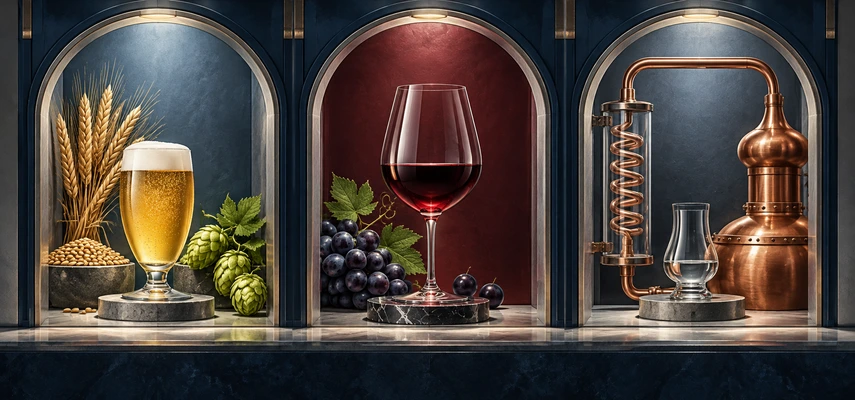
Three people order three drinks: a beer, a glass of wine and a measure of rum. The glasses look different enough to suggest three separate worlds. Y
Continue ReadingHow to Explain Spirits Production: Advanced Cause-and-Effect Case Studies
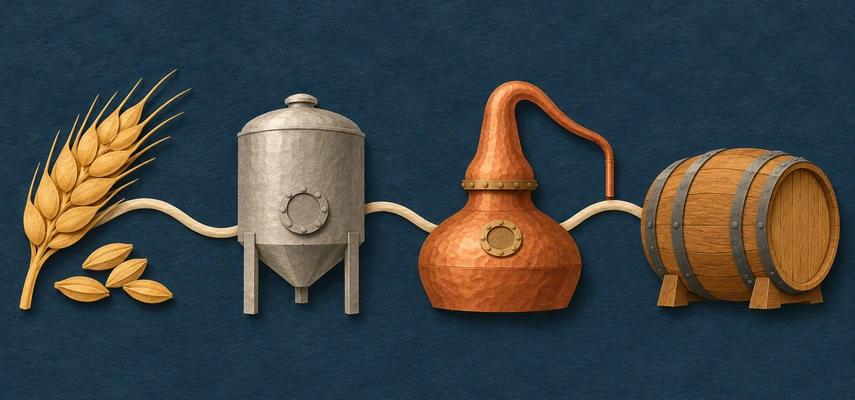
A strong explanation of spirits production needs a moving part. Something changes, a mechanism follows, and the composition or style changes as a
Continue ReadingSpirits Quality Explained: How Production Decisions Affect Balance and Complexity
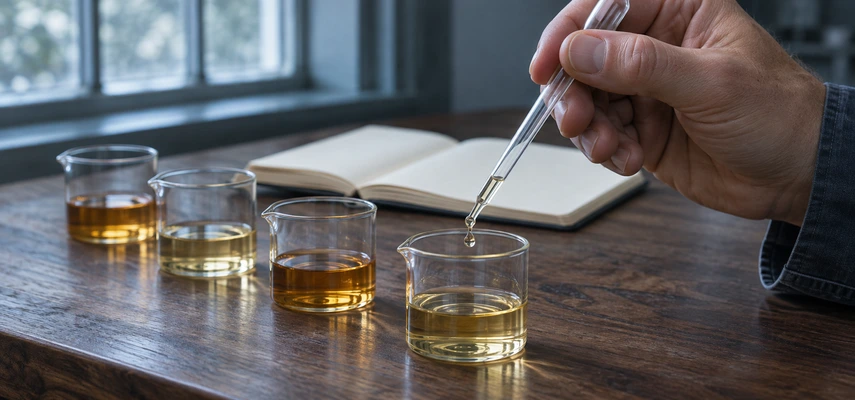
Spirits quality is easier to discuss when the bottle's price and impressive backstory stop doing the talking. An old cask, a long fermentation or
Continue ReadingDistillation Science Explained: Volatility, Congeners, Reflux, and Rectification
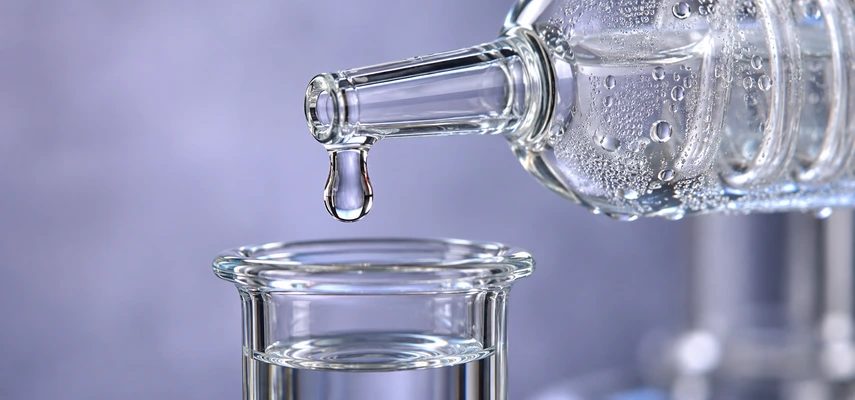
A still is often explained as a queue: heat the mixture, let the lowest-boiling ingredient leave first, then wait for the next one. It is a tidy s
Continue ReadingAlcoholic Fermentation Explained: Yeast, Nutrients, and Flavor Compounds
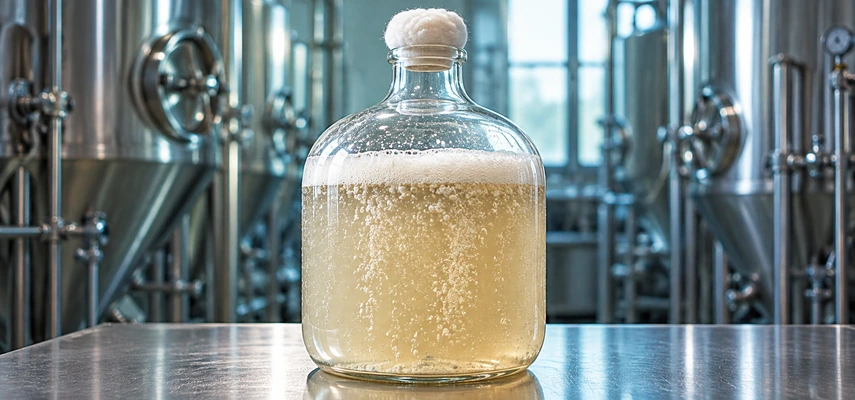
A fermentation tank can look wonderfully busy while telling you very little about the spirit it will eventually produce. Bubbles show gas escaping
Continue ReadingCarbohydrates Explained: How Sugar, Starch, and Fructans Become Fermentable
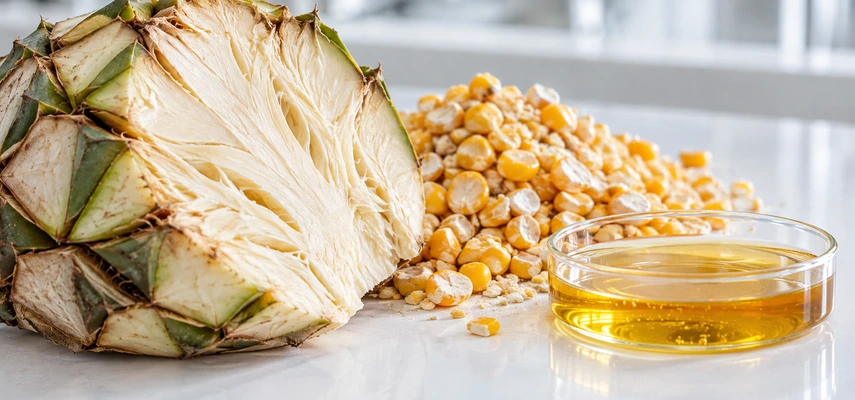
A grape, a corn kernel and an agave heart can all become the starting point for a spirit. Put the same yeast into each, however, and you haven't g
Continue ReadingHow Rum Is Made: Sugar Cane, Molasses, Fermentation, and Distillation
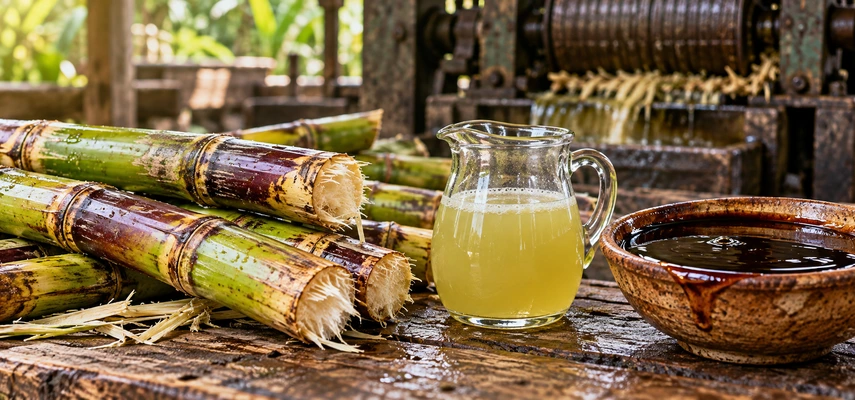
Learning how rum is made is a useful cure for judging a spirit by colour alone. A pale bottle may contain wood-aged rum that has been filtered. A
Continue ReadingColumn Still Distillation Explained: Reflux, Rectification, and Continuous Production
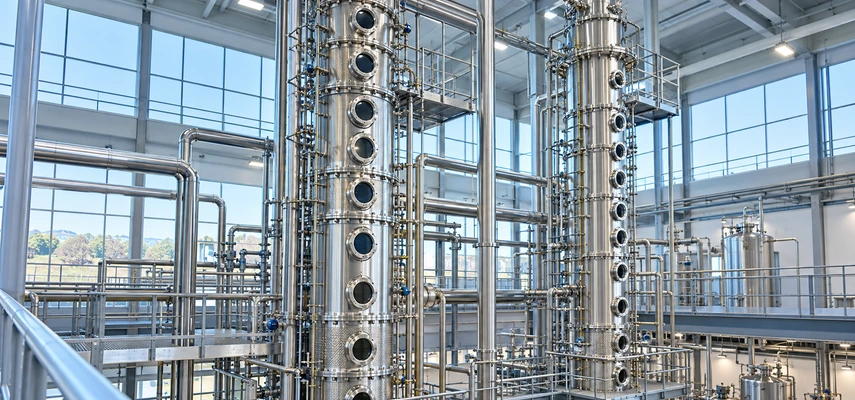
Picture two streams passing in opposite directions inside a tower: vapour moving up, liquid moving down. Each encounter changes their composition.
Continue ReadingPot Still Distillation Explained: Heads, Hearts, Tails, and Double Distillation
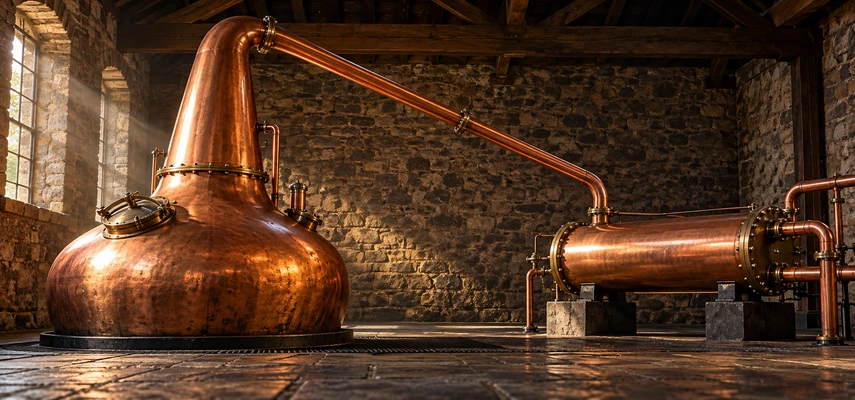
A pot still doesn't deliver the same liquid from the first drop to the last. Its charge changes as distillation proceeds, and the collected spirit
Continue ReadingHow Spirits Begin: Raw Materials, Sugar Conversion, and Fermentation
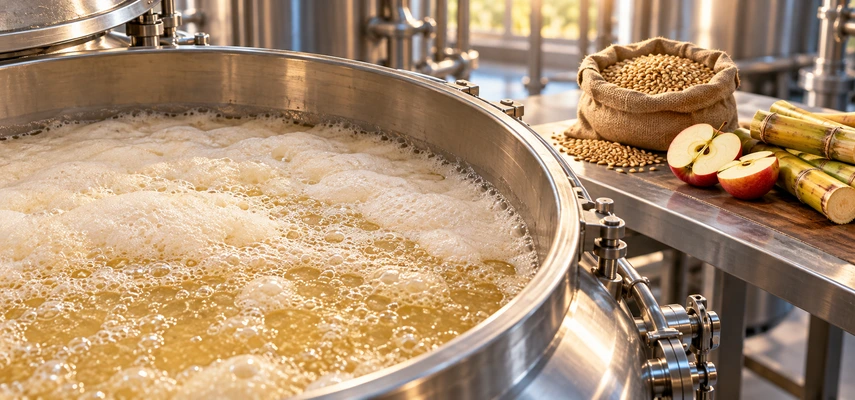
A grape can arrive with much of a distiller's first problem already solved. A grain of barley cannot. Both can contribute to an alcoholic drink, b
Continue Reading









