










The WSET Level 3 Wine exam tests more than a collection of famous places and grape names. You need to connect vineyard and winery decisions with s
Continue ReadingWSET Level 3 Blind Tasting Practice: White and Red Wine Exercises
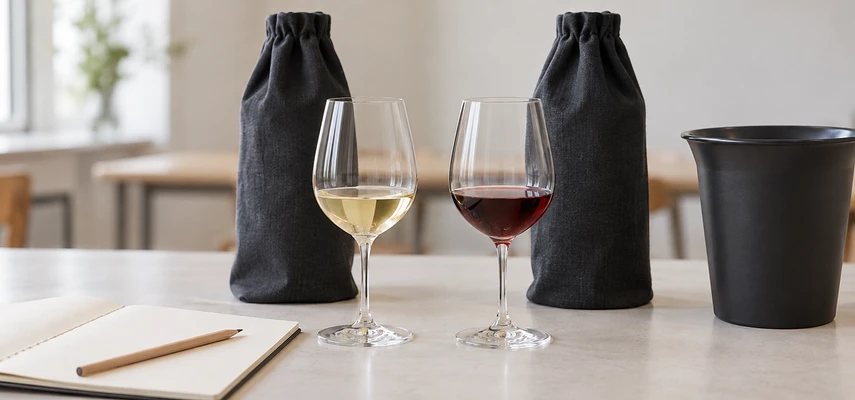
WSET Level 3 blind tasting practice works best when it produces a complete description and a defensible conclusion. The covered bottle removes lab
Continue ReadingHow to Assess Wine Quality and Readiness for Drinking
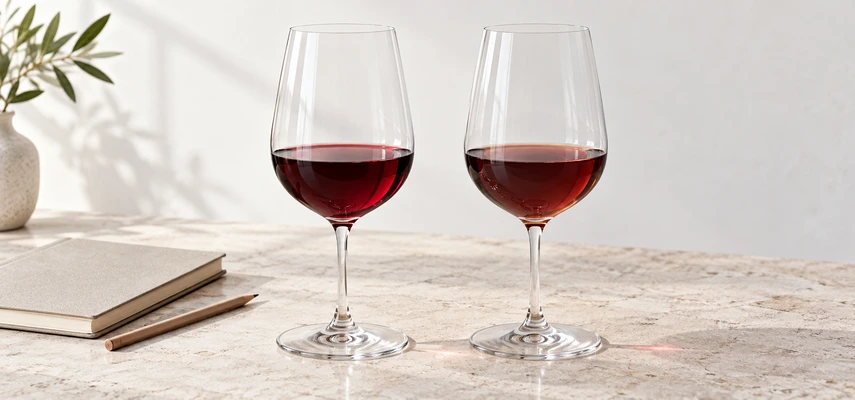
To assess wine quality, describe what the wine does, then explain how well those features work together. To assess readiness for drinking, ask whe
Continue ReadingThe WSET Level 3 Systematic Approach to Tasting Explained
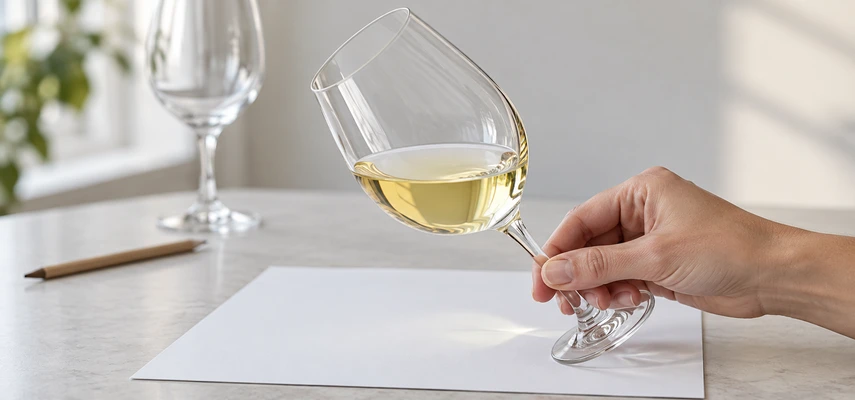
The WSET Level 3 Systematic Approach to Tasting gives your attention a reliable route through a glass of wine. You look, smell and taste, record w
Continue ReadingWine Faults Explained: How to Recognize Common Wine Problems
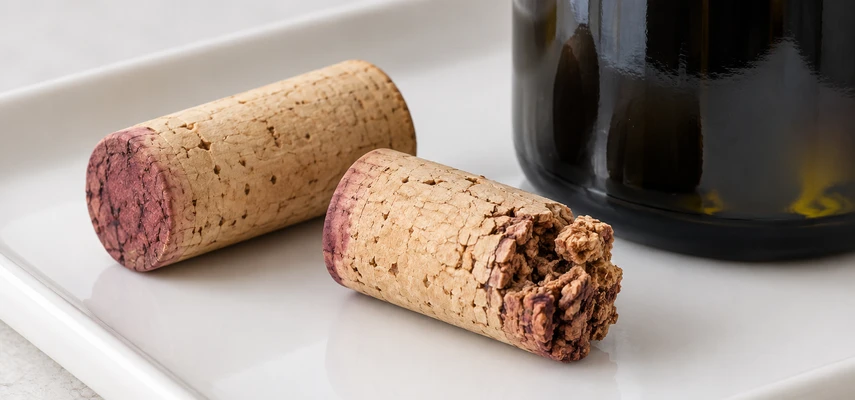
Something smells odd. Is the bottle faulty, simply unfamiliar, or being served in a glass that spent the week beside a scented candle? Wine fa
Continue ReadingHow to Understand and Describe Wine: The WSET Level 2 Framework
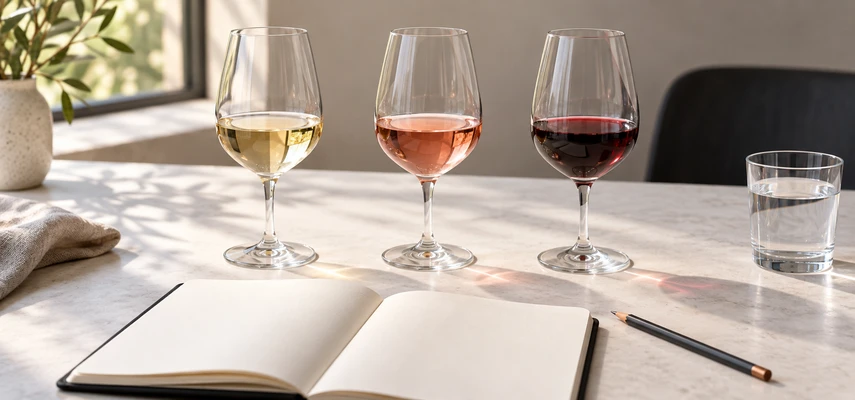
Why can a wine smell like ripe peaches yet taste completely dry? And how can a white wine feel richer than a red? Those questions reveal the most
Continue ReadingThe Different Types of Wine Explained: Color, Sweetness, Body, and Taste
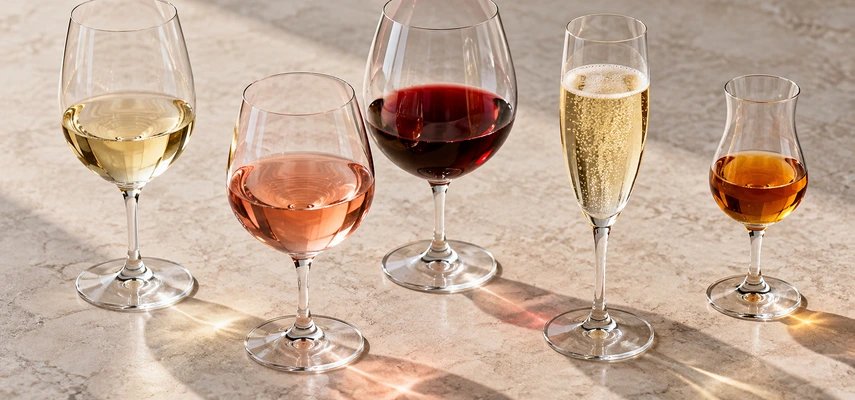
A wine can smell like ripe strawberries and still be dry. Another can be pale, sweet and full-bodied without being red or strongly tannic. These c
Continue ReadingThe Judgment of Paris: The Tasting That Changed Wine
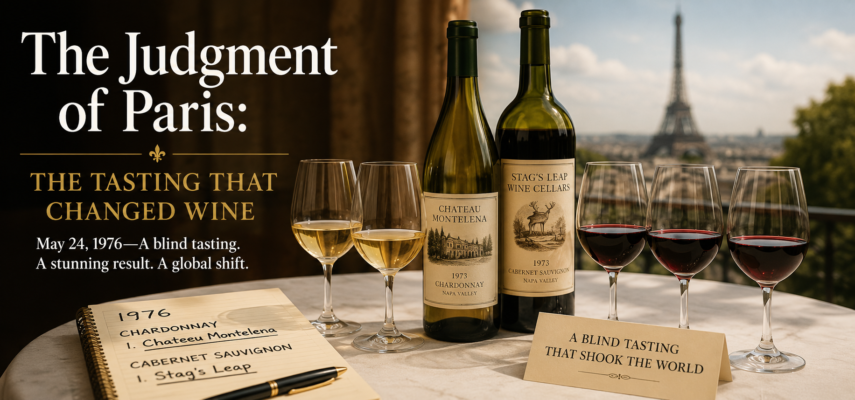
For most of wine history, France did not merely make great wine. France defined great wine. Bordeaux meant serious red wine. Burgundy meant eleganc
Continue Reading








