










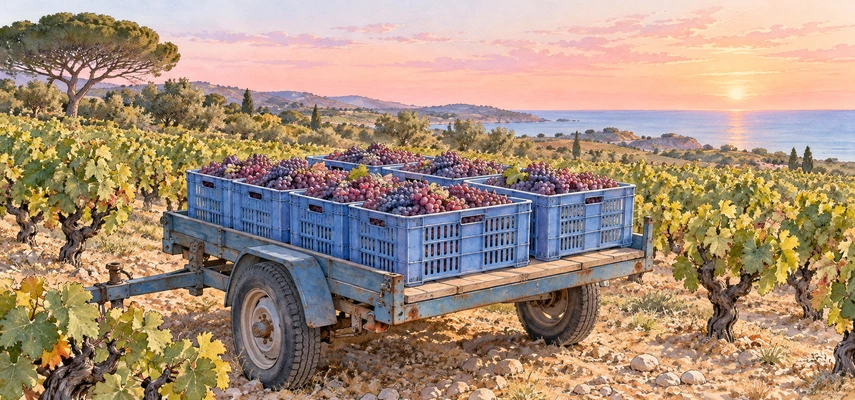
A pale Provence rosé and a dark, firm southern red can begin with some of the same grapes. The difference isn't a contradiction. Site, harvest ti
Continue ReadingSouth West France Explained: Cahors, Madiran, Bergerac, and Jurançon
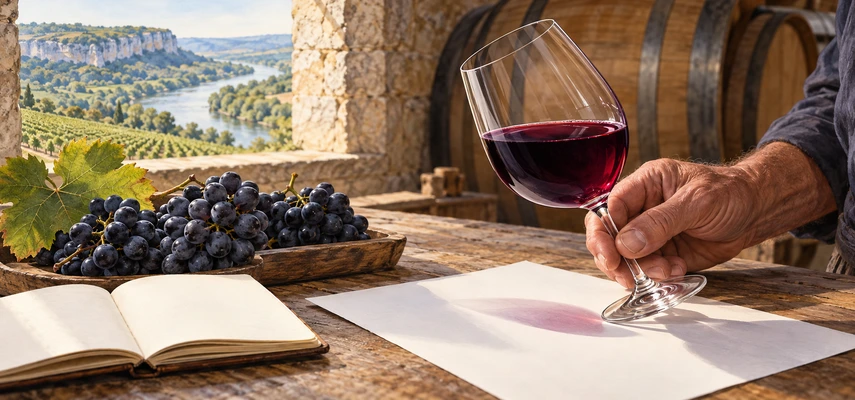
South West France doesn't have a single house style. A fresh Gascony white, a firm Madiran red and a sweet Jurançon can share a broad regional id
Continue ReadingAlsace Wines Explained: Riesling, Gewurztraminer, Pinot Gris, and Regional Styles
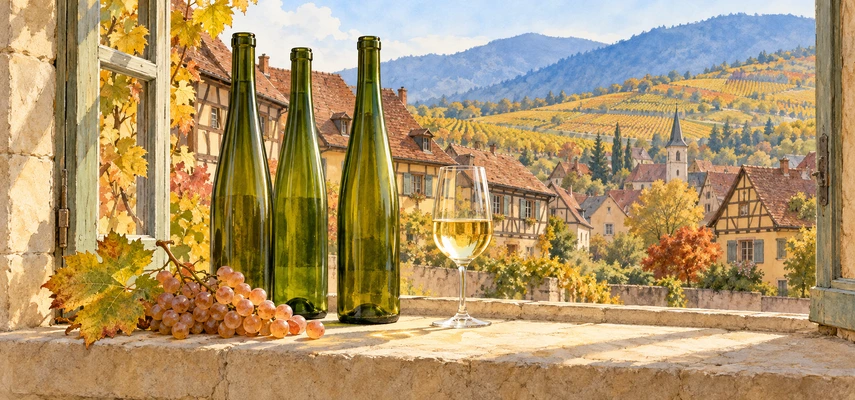
Three Alsace wines can arrive in nearly identical tall bottles and behave quite differently. One delivers a sharp line of lemon and acidity. Anoth
Continue ReadingRhône Valley Wines Explained: Northern Syrah and Southern Blends
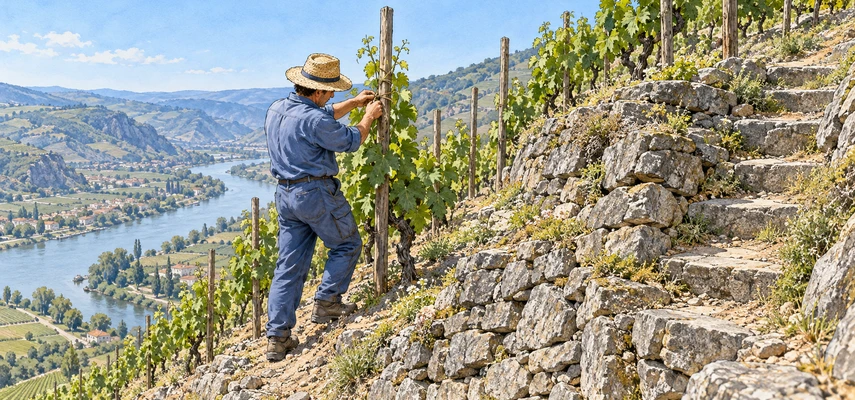
Rhône Valley wines make an excellent argument for keeping a map beside your glass. In the north, Syrah climbs steep hillsides where exposure and
Continue ReadingLoire Valley Wines Explained: From Muscadet to Sancerre
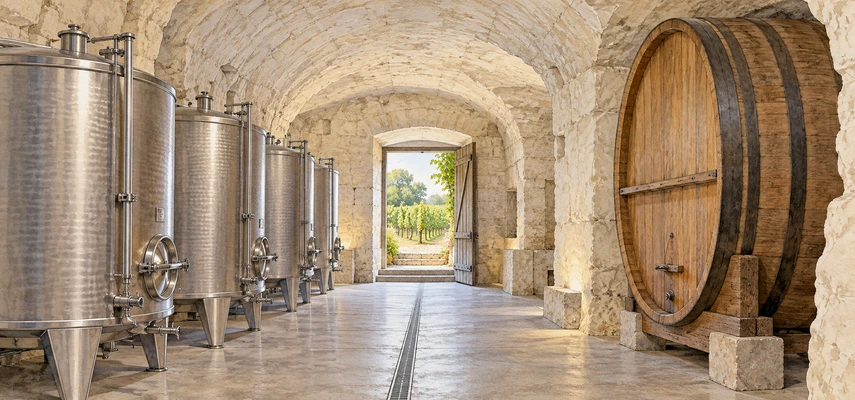
Loire Valley wines are a good reminder that following one river doesn't mean following one style. Near the Atlantic, Muscadet is dry and understat
Continue ReadingSouthern Burgundy and Beaujolais Explained: Mâconnais, Côte Chalonnaise, and Gamay
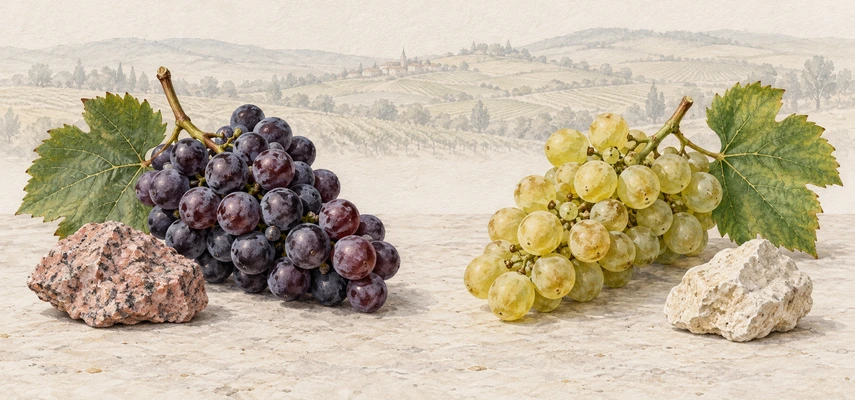
Southern Burgundy and Beaujolais can look like the quieter pages after the Côte d'Or's famous names. That misses the interesting part. Here are C
Continue ReadingThe Côte d’Or Explained: Burgundy’s Great Pinot Noir and Chardonnay Wines
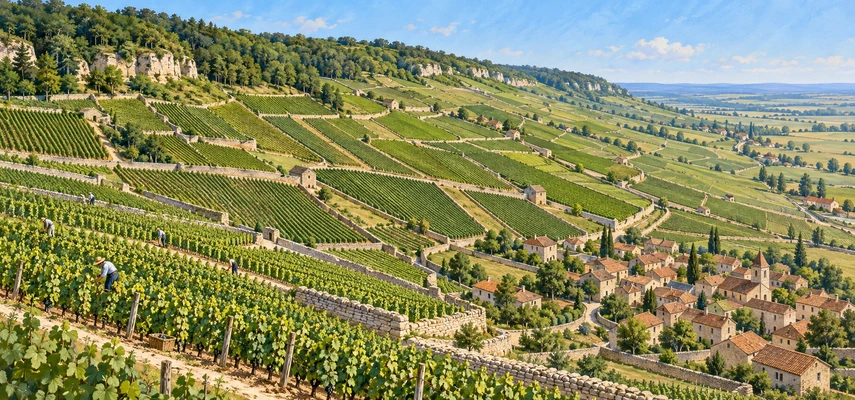
The Côte d'Or can make a short walk feel like an advanced geography examination. A village name changes, a wall marks another parcel, and the pri
Continue ReadingChablis Explained: Chardonnay, Climate, and Classification
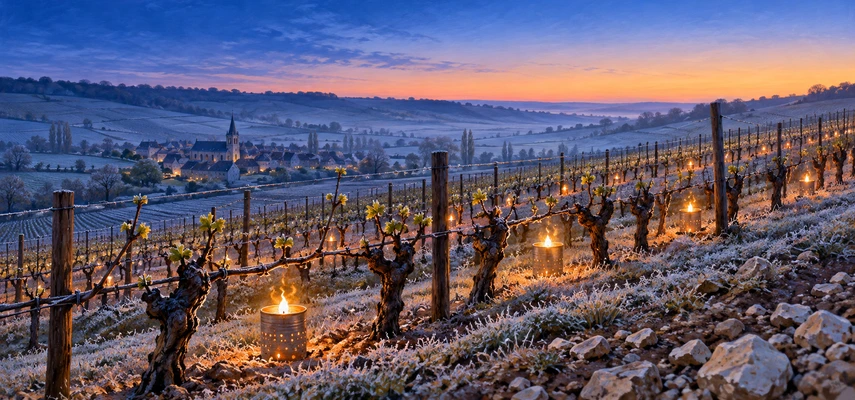
Chablis is Chardonnay with its surroundings turned up. The grape that can produce a broad, tropical, heavily oaked white elsewhere often gives lem
Continue ReadingBordeaux White and Sweet Wines Explained: Graves, Pessac-Léognan, and Sauternes
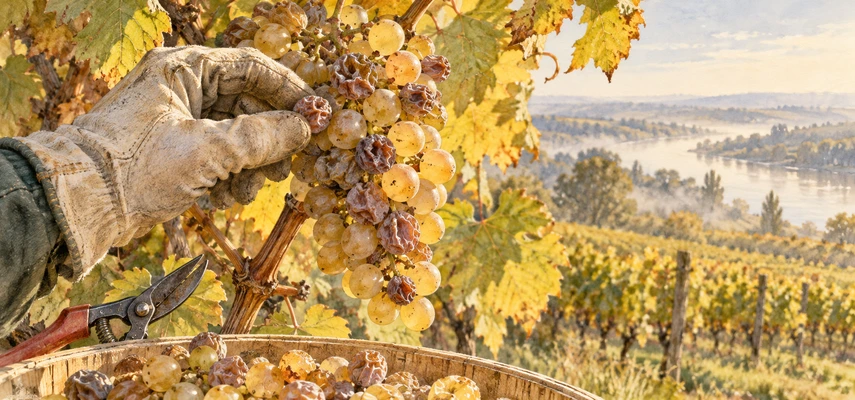
Bordeaux white and sweet wines ask growers to make two very different appointments with the same grapes. For a fresh dry white, the aim is healthy
Continue ReadingBordeaux Red Wines Explained: Left Bank, Right Bank, and Blending
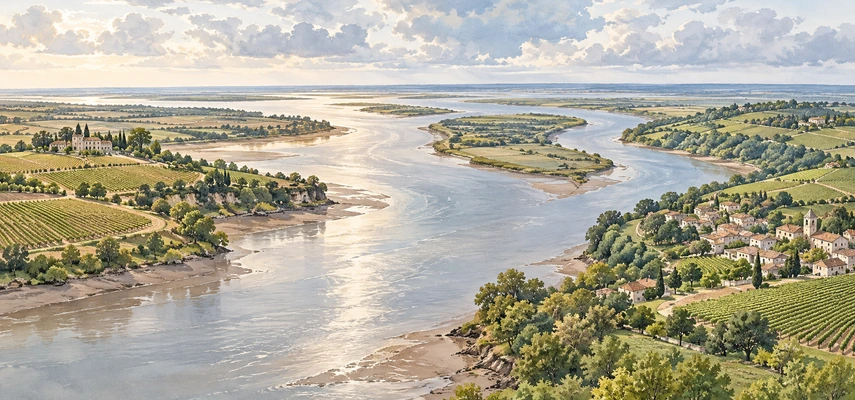
Bordeaux red wines make more sense when you stop treating the river as a line between two recipes. The Left Bank favours Cabernet Sauvignon; the R
Continue Reading









