










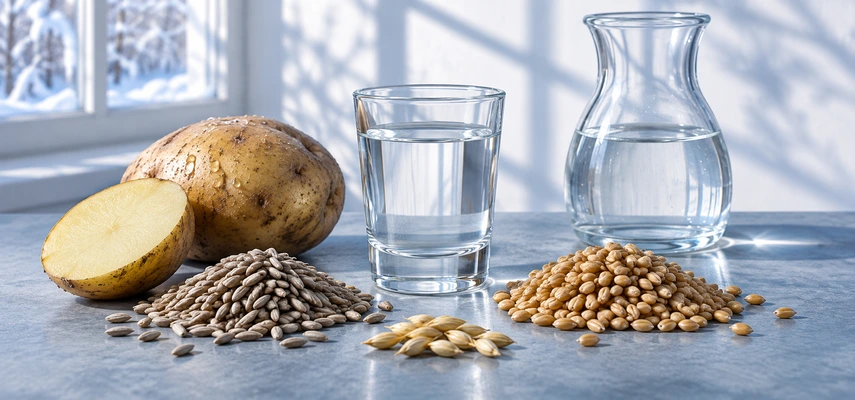
If vodka is neutral, why do producers talk about rye, wheat and potatoes? The apparent contradiction disappears when neutral is understood as a pr
Continue ReadingMezcal Explained: Agave Varieties, Production Methods, and Mexican Traditions
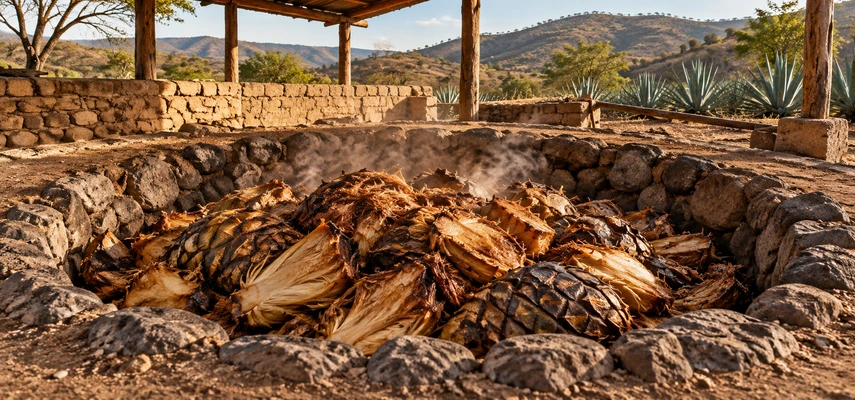
Mezcal production rewards anyone willing to look past the word smoky. Smoke can matter, especially when agave is cooked in an earth oven, but it i
Continue ReadingTequila Explained: Blue Agave, Jalisco, Production, and Ageing Labels
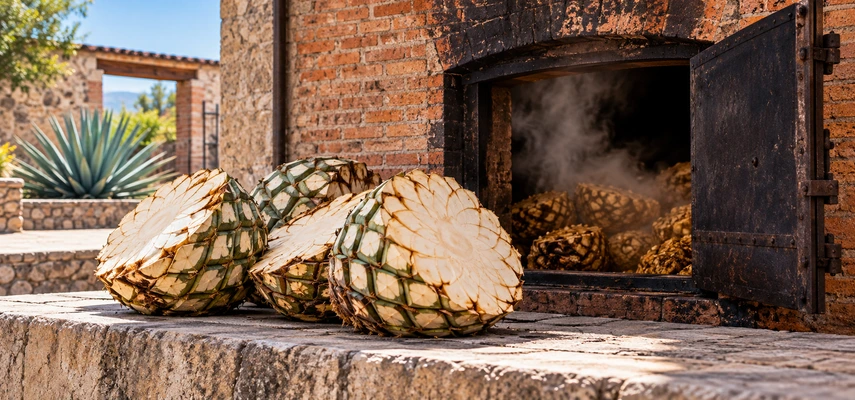
Tequila production begins with a plant whose useful reserves are stored in a heart, not a barrel of ready-made juice. Blue agave needs preparation
Continue ReadingCachaça Explained: Brazil’s Distinctive Sugar Cane Spirit
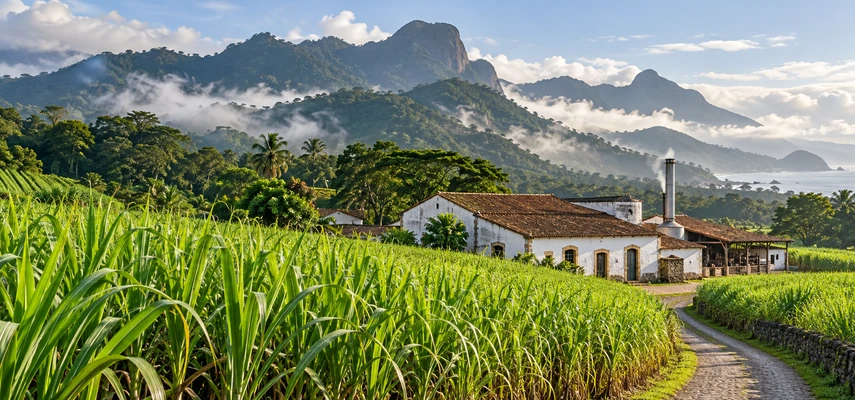
Cachaça is often introduced as the spirit in a Caipirinha, which is rather like introducing a musician only through their best-known chorus. The
Continue ReadingRum Regions Explained: The Caribbean, Central America, and South America
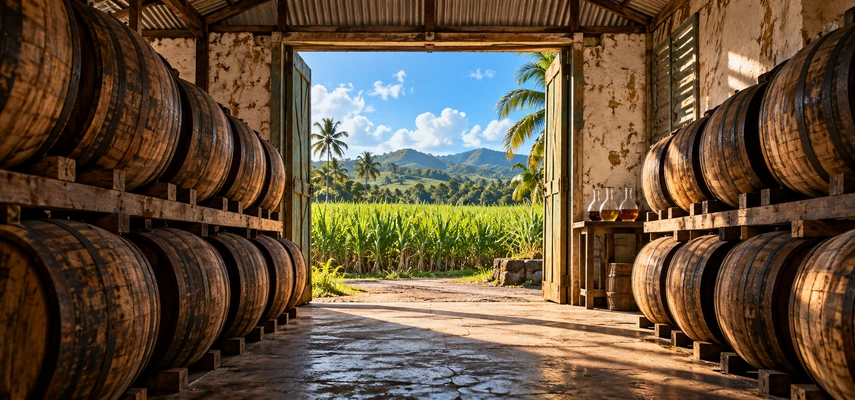
Rum regions are useful when a place name leads to a production question. Martinique might prompt you to ask about fresh cane juice. Jamaica might
Continue ReadingHow Rum Is Made: Sugar Cane, Molasses, Fermentation, and Distillation
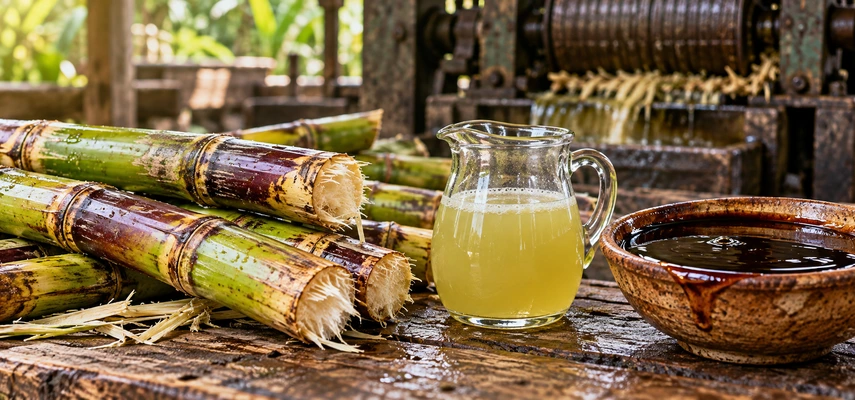
Learning how rum is made is a useful cure for judging a spirit by colour alone. A pale bottle may contain wood-aged rum that has been filtered. A
Continue ReadingIrish, Canadian, and Japanese Whisky Explained: Different Production Traditions
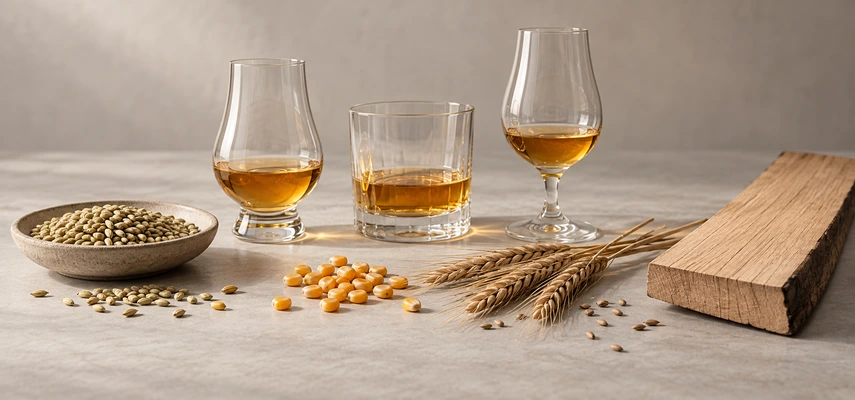
Irish Canadian and Japanese whisky make an excellent test of whether a production rule really travels. A term familiar from an American label may
Continue ReadingBlended and Grain Scotch Whisky Explained: Production, Labels, and Scotland’s Regions

A bottle can say “single grain” even though its recipe involves more than one cereal. Another can say “blended malt” without containing an
Continue ReadingSingle Malt Scotch Whisky Explained: Distilleries, Peat, Pot Stills, and Oak
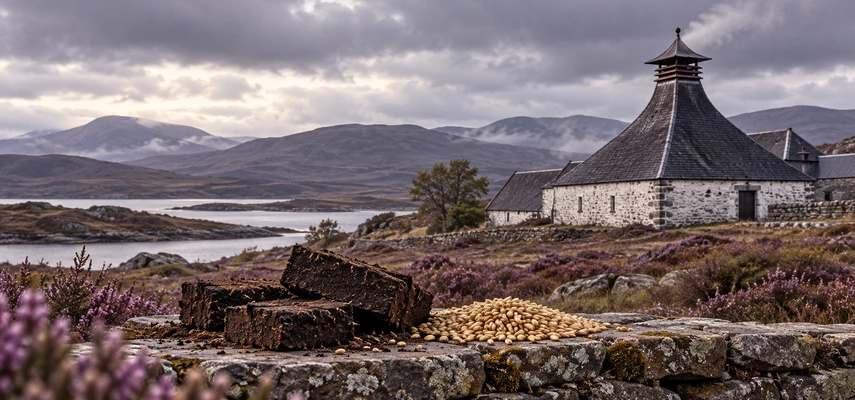
“Single” is doing less work on a whisky label than many readers expect. Single malt Scotch whisky can combine numerous casks, different matura
Continue ReadingTennessee and Rye Whiskey Explained: Production Rules and Style Differences
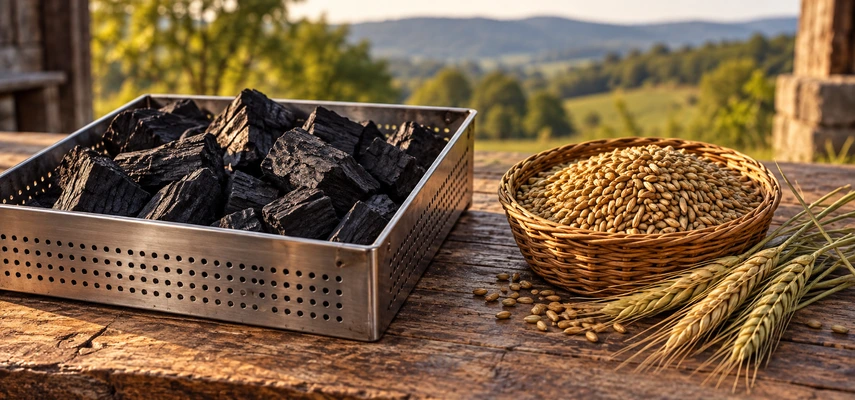
A Tennessee whiskey and an American rye can share a barrel type while telling very different grain stories. The first belongs to a corn-led tradit
Continue Reading









