
[Photo by Andre Moura on Canva].
Digital technology has changed the way people spend their free time. Entertainment has never been more convenient, and for many people, screens have become the default way to relax after work or connect with friends.
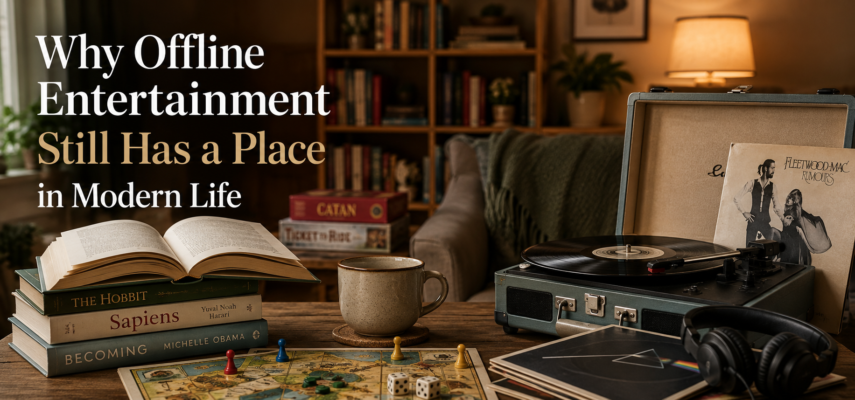
Yet despite these advances, offline entertainment continues to play an important role in everyday life. Reading a paperback novel, playing a board game, visiting a local museum, or listening to music on a physical format offers an experience that differs from digital consumption. These activities encourage people to slow down, pay attention, and enjoy moments without the interruptions that often come with connected devices.
As people look for healthier ways to balance work, leisure, and screen time, traditional hobbies and physical media continue to provide lasting value.
The Digital World Doesn’t Need to Replace Everything
There’s no question that technology has made entertainment more accessible. Streaming platforms provide enormous libraries of music and films, while mobile devices make it possible to enjoy content almost anywhere.
However, convenience can also encourage passive habits. It’s easy to spend an evening scrolling through recommendations without fully engaging with any of them. Notifications, autoplay features, and endless feeds compete for attention, making it difficult to focus on a single activity for very long.
Offline entertainment creates a different rhythm. People choose an activity with intention. That simple shift often makes leisure time feel more rewarding because the experience becomes more immersive and less distracted.
Offline Hobbies Encourage More Meaningful Leisure Time
Many offline activities require participation. Whether someone is assembling a puzzle, sketching in a notebook, or listening to an album from beginning to end, they become actively involved in the experience.
Unlike digital platforms that constantly suggest what’s next, offline hobbies allow people to set their own pace. Popular offline activities include:
- Reading books and magazines.
- Playing board games or card games.
- Completing puzzles and model kits.
- Painting, drawing, or crafting.
- Visiting galleries, museums, and cultural events.
- Listening to music on vinyl records, CDs, or cassette tapes.
These hobbies encourage patience, concentration, and creativity. They also create natural breaks from the constant flow of digital information that fills modern life.
Physical Music Offers an Experience Beyond Streaming
Music is one of the clearest examples of how offline entertainment remains relevant.
Streaming platforms are excellent for discovering new artists and accessing large libraries of songs. However, physical music formats create a different experience altogether.
Selecting an album from a shelf, opening the packaging, reading the liner notes, and listening to each track in sequence encourages people to experience music as a complete work rather than a playlist of individual songs.
Collectors often appreciate details such as album artwork, printed lyrics, production notes, and special editions that simply don’t exist in digital libraries.
Cassette tapes have also found a place among listeners who enjoy retro technology and physical collecting. Many people appreciate their distinctive sound and nostalgic appeal. Anyone interested in exploring cassette releases can visit https://evergreenvinyl.com/ and browse available collections.
Offline Entertainment Brings People Together
Families gather around board games. Friends visit local concerts and record stores together. Community groups organize book clubs, hobby workshops, and cultural events that encourage meaningful conversations.
Unlike many online interactions, these activities place people in the same physical space, allowing them to share experiences rather than simply exchange messages. Offline entertainment also creates opportunities for different generations to connect.
For example:
Sharing Family Traditions
Parents often introduce children to favorite albums or classic films that shaped their own childhoods.
Discovering New Interests
Friends may visit second-hand bookshops or record stores together, discovering artists and authors they might never have encountered online.
Preserving Personal Memories
Collections of books, records, photographs, or games often become keepsakes that carry stories from different stages of life.
Businesses Are Responding to the Demand for Tangible Experiences
Consumer preferences continue to evolve alongside technology. While digital subscriptions remain popular, many businesses have noticed growing interest in products that offer long-term ownership rather than temporary access.
Consumers increasingly appreciate products they can display, collect, and revisit over time. This shift extends beyond music into books, photography, film cameras, tabletop games, and handcrafted goods.
Physical media fits naturally into this broader trend because it combines entertainment with craftsmanship. Album packaging, printed artwork, collectible editions, and carefully designed inserts all contribute to the overall experience.
Businesses like Evergreen Vinyl serve listeners who appreciate these qualities by making physical music formats accessible to both experienced collectors and newcomers interested in building their own collections.
Rather than replacing streaming services, physical media offers another way for consumers to enjoy the music they value most.
Creating a Better Balance Between Online and Offline Life
The goal isn’t to eliminate technology from everyday life. Digital entertainment offers flexibility, convenience, and incredible access to information and creative content.
Instead, many people are finding that balancing online and offline experiences creates a healthier relationship with leisure. Simple habits can make a meaningful difference:
- Set aside one evening each week without unnecessary screen time.
- Listen to a complete album instead of skipping between playlists.
- Read a physical book before bed rather than scrolling through a phone.
- Visit local libraries, museums, or community events.
- Spend time on hobbies that encourage creativity and concentration.
- Build collections based on personal interests rather than trends.
These activities don’t require dramatic lifestyle changes. Even small adjustments can create moments that feel calmer, more intentional, and more memorable.
Offline entertainment reminds people that slowing down doesn’t mean falling behind. Sometimes it simply means paying closer attention to experiences that are easy to overlook in a fast-moving digital world.
Conclusion
Offline entertainment continues to have a meaningful place in modern life because it offers experiences that technology alone cannot fully replicate. Whether it’s reading a book, exploring a creative hobby, attending a local event, or listening to music on physical media, these activities encourage deeper engagement and lasting enjoyment.
Digital entertainment will continue to evolve, bringing new ways to discover content and stay connected. At the same time, offline experiences provide balance by creating opportunities for focus, creativity, and genuine personal connection.
As people continue searching for healthier ways to spend their leisure time, offline entertainment is likely to remain an important part of everyday life. Rather than becoming obsolete, it complements digital convenience by offering something increasingly valuable in today’s connected world: the chance to slow down and enjoy the moment.