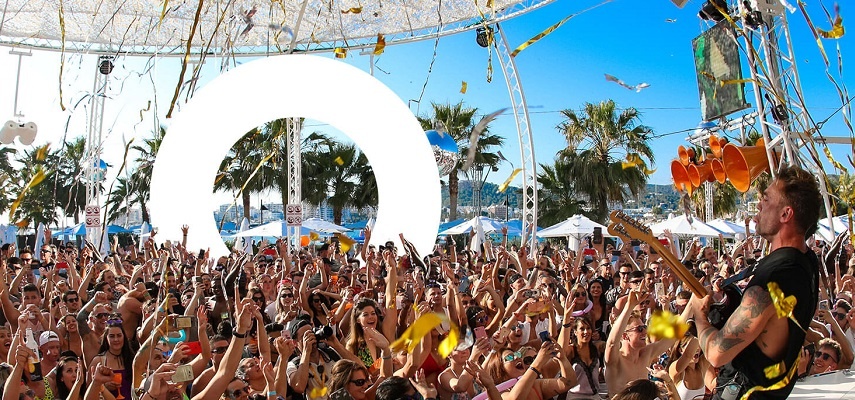
Local events provide direct access to a targeted audience, but visibility is often limited by space, competition, and time. Businesses must capture attention quickly and maintain it long enough to create recognition.
Effective visibility strategies rely on placement, design clarity, and consistent messaging. The goal is not just to be seen, but to be understood within seconds.
A structured approach ensures that every visual element contributes to engagement rather than adding noise.
Positioning and Line-of-Sight Planning
Visibility begins with placement. Even well-designed materials fail if they are not positioned correctly.
Line-of-sight is the primary factor. Displays should be placed where foot or vehicle traffic naturally flows. Entrances, intersections, and high-traffic walkways provide the most exposure.
Height also matters. Elevated displays are visible from a distance, while ground-level elements are better suited for close-range interaction.
Angle is another consideration. Materials should face incoming traffic rather than being parallel to it. This increases exposure time and improves readability.
Use Clear and Scalable Messaging
Event attendees process information quickly. Messaging must be short, direct, and easy to read at a glance.
Large typography and high contrast improve legibility. Avoid complex wording or excessive detail.
- Primary message: One clear statement or offer
- Readable fonts: Sans-serif styles for distance clarity
- High contrast colors: Improves visibility in varying light
Consistency across all materials reinforces recognition. Repetition helps the audience retain the message.
Leverage Ground-Level Signage for Local Reach
Ground-level signage is effective for capturing attention within a specific area. It works best when placed along pathways or near entry points.
Tools like yard signs for business provide a practical solution for localized visibility. They are easy to deploy and can be positioned strategically to guide attendees toward a booth or activation area.
Spacing is important. Signs should be distributed at intervals to maintain visibility without creating clutter.
Directional placement can also guide movement. This helps convert passive viewers into active visitors.
Create Vertical Visibility With Elevated Displays
Vertical elements extend visibility beyond immediate surroundings. They allow businesses to stand out in crowded environments.
Flags, banners, and tall signage can be seen from a distance, making them effective for drawing initial attention.
Placement should consider wind direction and structural stability. Displays must remain visible and secure under varying conditions.
Consistency in branding ensures that vertical elements align with ground-level materials.
Utilize Movement to Capture Attention
Static displays can be overlooked in busy environments. Movement introduces dynamic elements that attract attention.
Flags, rotating signs, or interactive displays create visual variation. This breaks the monotony of static setups.
- Wind-responsive materials: Move naturally to draw attention
- Interactive elements: Encourage engagement
- Lighting variations: Create subtle motion effects
Movement should be controlled. Excessive motion can distract rather than attract.
Enhance Visibility With Strategic Flag Placement
Flags are particularly effective for increasing visibility in open spaces. Their height and movement make them easy to spot from a distance.
Products such as custom teardrop flags are designed to maintain shape and readability even in low-wind conditions. Their curved structure keeps branding visible at all times.
Placement should focus on entry points and perimeter areas. This ensures that attendees encounter the display before reaching the main event space.
Multiple flags can be used to create a visual boundary or guide attendees toward a specific location.
Optimize Booth Layout for Engagement
Visibility does not end with attracting attention. Once attendees approach, the layout must support interaction.
Open layouts encourage entry. Barriers or cluttered setups discourage engagement.
Key elements should be placed at eye level. This includes product displays, signage, and interactive features.
Lighting within the booth should highlight focal points. This draws attention to specific products or messages.
Clear pathways allow visitors to move through the space without obstruction.
Maintain Consistency Across All Visual Elements
Consistency ensures that all materials work together. Disconnected visuals reduce recognition and weaken impact.
Color schemes, typography, and messaging should align across signs, flags, and displays.
Repetition reinforces memory. When attendees see the same visual cues multiple times, they are more likely to remember the brand.
Consistency also improves professionalism. A cohesive setup signals organization and reliability.
Measure Effectiveness and Adjust
Visibility strategies should be evaluated after each event. Data and observation provide insight into what works and what does not.
Metrics may include foot traffic, engagement levels, and conversion rates. These indicators help refine future setups.
Feedback from attendees can also highlight areas for improvement. Small adjustments in placement or design can significantly increase visibility.
Continuous improvement ensures that each event becomes more effective over time.
Conclusion
Increasing visibility at local events requires a combination of strategic placement, clear messaging, and structured design. Every element must serve a specific purpose.
Ground-level signage, vertical displays, and movement-based elements work together to capture attention. Consistency ensures that the message is retained.
In practical terms, visibility is not achieved through volume but through precision. Businesses that apply structured design and placement strategies can stand out even in crowded environments.