










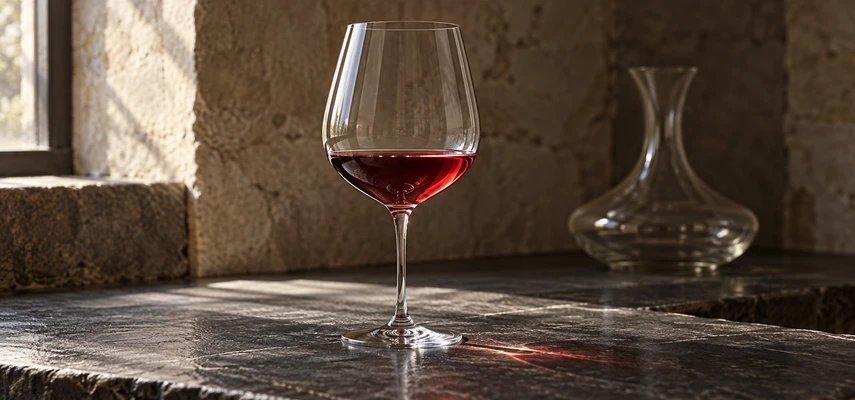

Can a pale red wine be intense, complex and capable of ageing? Pinot Noir explained through its thin skins and cool-climate preferences makes the answer clear. Colour is one observation, not a measure of everything else a wine contains. A translucent glass can carry plenty of flavour without copying Cabernet Sauvignon‘s dark, tannic framework.
This is Article #10 of The TFE Guide to WSET Level 2 Wine, Part II: The Eight Principal Grape Varieties. We’ll use Burgundy as the starting point, then follow the grape through its prescribed global regions. The task is to explain the effects of site and production without treating Burgundy as one fixed tasting note that every other region must imitate.
What WSET Level 2 expects you to know
The current official specification places Pinot Noir in LO3. You need its characteristics, climate and production influences, bottle-ageing changes, specified origins and relevant Burgundy terms. The regional list extends beyond France, Oregon and New Zealand, so retain the complete checklist at the end.
For comparison, focus on colour, red fruit, acidity, tannin, body and ripeness. Then ask how oak, extraction and maturation affect the result. “Elegant” can be a useful everyday impression, but it isn’t enough to explain what differs between two wines.
Thin skins help explain the structure
Pinot Noir is a black variety with relatively thin skins. Its wines commonly have lighter colour and lower tannin than Cabernet Sauvignon, together with high acidity and red-fruit character. Strawberry, raspberry and red cherry are useful associations, depending on the wine.
Thin skins and compact bunches can make fruit health a concern, while the variety’s early growth can expose it to spring frost. It can ripen in suitably cool conditions, but too little warmth makes suitable ripeness difficult. Too much heat can shift the fruit away from the freshness and aromatic detail the producer seeks.
This combination helps explain why growers care so much about the site. Pinot isn’t difficult because it has read too many glowing restaurant descriptions. Its seasonal needs and sensitivities create practical constraints. Wine Australia’s variety guide describes its growing and regional contexts.
Pale doesn’t mean weak
Colour comes largely from skin pigments and their extraction. Tannin and flavour are related to skins and production too, but they don’t follow one universal colour chart. A pale Pinot can still have clear, concentrated flavour and a persistent finish.
Typical still wines are dry and often light to medium in body, though riper examples can feel fuller and show more alcohol. Acidity provides freshness; relatively modest tannin can make the texture feel different from a firm Cabernet. That doesn’t mean the wine has no structure.
When comparing two reds, describe each dimension separately. If one is darker, more tannic and fuller, state those three observations rather than simply calling it “stronger.” If the paler wine has more aromatic detail or acidity, those features deserve their own place in the explanation.
Climate and ripeness: freshness needs suitable development
Cool to moderate conditions are important references for Pinot Noir. They can allow flavour development while retaining acidity. Cooler examples may emphasize fresher red fruit; riper examples may show more generous cherry or plum-like character and greater body.
These are tendencies, not a requirement that every cooler wine be thin or every warmer wine be cooked. Site exposure, altitude, coastal influences, crop balance and picking date all affect the outcome. A country’s average temperature isn’t the temperature of every vineyard within it.
Harvest decisions should fit the intended style. Waiting for extra sugar doesn’t automatically improve aromatic detail, while picking too early can leave the fruit short of the desired development. The producer needs balance among components, not a trophy for the earliest or latest harvest date.
Extraction and oak: a lighter framework needs judgment
Pinot Noir is fermented with skins for red wine, but producers vary how much they extract. More contact and more forceful handling don’t automatically improve a grape with a relatively delicate structural starting point. The objective may be fine texture and clear fruit rather than maximum density.
Oak maturation can contribute spice, toast or other secondary character, and new versus older wood gives different possibilities. Strong oak can overwhelm fruit if the components aren’t balanced. A wine doesn’t need conspicuous wood flavour to count as serious Pinot Noir.
Malolactic conversion commonly forms part of red production. Producers may also vary bunch handling and other techniques, but the Level 2 priority is their effect on style rather than a catalogue of specialist recipes. Learn the production mechanism already established in Article #3, then apply it to Pinot’s particular structure.
Burgundy: the place name often carries the grape clue
Bourgogne is the French name for Burgundy. Red Burgundy’s classic grape association is Pinot Noir, with the named origins in this lesson helping you read labels that emphasize place. The prescribed names are Gevrey-Chambertin, Nuits-Saint-Georges, Beaune and Pommard, alongside Bourgogne/Burgundy itself.
Learn the names accurately before trying to assign one compulsory aroma to every commune. Producer, site and vintage can all create variation. A broad regional wine and a more specific village wine provide different origin information, but the label isn’t a complete tasting note.
Within Burgundy, Premier Cru and Grand Cru are important classification terms associated with vineyards and origins. They don’t mean the wine must be sweet or receive a specified flavour of oak. Nor should you copy that system into Bordeaux simply because both regions use French words on expensive bottles.
The Bourgogne wine body’s Pinot Noir material provides regional background. Keep your examination attention on the exact origins and terminology prescribed by WSET rather than trying to memorize every Burgundy vineyard in one sitting.
USA: several routes to suitable coolness
Sonoma, Los Carneros, Santa Barbara County and Oregon are the prescribed US associations. In California, coastal influences can create suitable Pinot conditions even though the state has many warm areas. Los Carneros is associated with cooling near San Pablo Bay; Santa Barbara County includes Pacific-influenced sites.
Sonoma encompasses varied conditions, so a broad name shouldn’t become a guarantee of one flavour. Oregon provides a further cooler-climate reference. The useful comparison concerns actual ripeness, acidity, body and production rather than “America equals ripe and Burgundy equals delicate.”
Some examples show generous ripe fruit; others emphasize restraint and freshness. A producer’s oak and extraction choices can reinforce or moderate the impression. Don’t assume every wine with a recognizable ripe-cherry aroma must have been picked in excessive heat.
Chile and South Africa: specific places matter
Casablanca Valley is the prescribed Chilean Pinot Noir association. Its coastal cooling helps explain why it belongs in this lesson, even if your first picture of Chilean red wine involved warmer Cabernet-growing areas. A country can offer different environments for different varieties.
Walker Bay is the South African association. Cooler influences and suitable sites can support Pinot Noir’s freshness and flavour development. Learn the specific name rather than replacing it with “South Africa,” because the regional choice is part of the explanation.
Compare these origins through the same questions: how does the site provide appropriate warmth and cooling, what is the fruit character, how much tannin and body does the wine show, and what production choices are relevant? That method prevents geography from becoming an unrelated memorization exercise.
Australia: Yarra Valley and Mornington Peninsula
Yarra Valley and Mornington Peninsula are the two prescribed Australian Pinot Noir regions. Both challenge the idea that Australian red wine must come from uniformly hot conditions and taste heavy. Their suitable sites allow a different style from the warm-region Shiraz stereotype.
Yarra Valley includes varied elevations and exposures, while Mornington Peninsula has important maritime influences. These mechanisms help explain appropriate growing conditions without claiming every vineyard in either region is identical. Wines can combine red-fruit character, freshness and differing levels of texture or oak influence.
For revision, keep the pair together, but preserve their individuality. If an answer asks for Australian Pinot origins, naming Coonawarra or Margaret River because you remember them from Cabernet would miss the prescribed association. The grape changes; the regional list changes with it.
New Zealand: three names, varied styles
Martinborough, Marlborough and Central Otago are the New Zealand associations. Martinborough can provide concentrated, savoury or structured examples; Marlborough often supplies bright fruit and freshness; Central Otago is associated with vivid ripe fruit and suitable cool-climate conditions. These are broad reference points, not recipes enforced on every producer.
The national wine body’s Pinot Noir overview describes regional variation. Central Otago’s inland conditions differ from the maritime influences associated with many other New Zealand regions, so avoid describing the whole country with one climate word and stopping there.
Marlborough’s Sauvignon Blanc fame shouldn’t make its Pinot disappear from your notes. A region can matter for more than one grape, with different sites or production aims. Learning those overlaps makes the course map more coherent rather than more confusing.
Ageing and quality: savoury doesn’t automatically mean faulty
Some balanced, concentrated Pinots can develop mushroom, forest-floor, dried-fruit or other mature character in bottle. Colour can shift toward garnet and tannins may soften. A suitable mature savoury aroma isn’t automatically evidence of cork taint, but faults still require assessment in context.
Many examples suit earlier drinking, and not every bottle benefits from prolonged ageing. Evaluate balance, intensity, complexity and persistence rather than assuming old, pale or expensive means outstanding. WSET’s ageing explanation helps separate development from guaranteed improvement.
Common mistakes and exam traps
Pale colour doesn’t prove weak flavour, and lower tannin doesn’t mean no structure. Pinot Noir isn’t Pinotage, despite the shared opening letters. Burgundy terms don’t automatically mean the same thing in Bordeaux, and cool sites exist outside Europe. Finally, keep the full regional checklist: small prescribed names are easy to lose behind famous countries.
Related study guides
Knowledge check: 10 original practice questions
Choose one answer each. These independent questions support LO3 and relevant production concepts.
1. Which profile is a useful Pinot Noir reference?
- Red fruit, high acidity and relatively low tannin.
- Mandatory sweetness and no acid.
- Always opaque colour and maximum tannin.
- Only tropical white-fruit aromas.
2. What helps explain its generally lighter colour compared with Cabernet?
- A requirement to dilute the wine.
- Its relatively thin skins and different pigment/extraction context.
- A rule banning skin contact.
- Fermentation without grapes.
3. Which set contains prescribed Burgundy Pinot Noir origins?
- Mosel, Pfalz, Rheingau.
- Sancerre, Touraine, Pouilly-Fumé.
- Gevrey-Chambertin, Nuits-Saint-Georges, Beaune, Pommard.
- Napa, Oakville, Rutherford.
4. Which statement about pale Pinot Noir is correct?
- It must have weak flavour.
- It cannot age under any circumstances.
- It must be sweet.
- Pale colour doesn’t directly establish flavour intensity or quality.
5. Which Chilean region is prescribed for Pinot Noir?
- Casablanca Valley.
- Mendoza.
- Priorat.
- Tokaj.
6. Which South African region is prescribed?
- Pomerol.
- Walker Bay.
- Calistoga.
- Clare Valley.
7. Which Australian pair belongs with Pinot Noir?
- Coonawarra and Margaret River.
- Clare and Eden Valley.
- Yarra Valley and Mornington Peninsula.
- Barolo and Barbaresco.
8. Which New Zealand set is prescribed?
- Mosel, Rheingau, Pfalz.
- Napa, Sonoma, Oregon.
- Maipo, Colchagua, Central Valley.
- Martinborough, Marlborough, Central Otago.
9. What do Premier Cru and Grand Cru concern in Burgundy?
- Classified vineyard origins.
- Compulsory sweetness.
- A guarantee of strong vanilla flavour.
- The number of grapes in a bunch.
10. Which is a sound Pinot ageing statement?
- Every savoury note proves a fault.
- Some suitable wines develop mature savoury character, while many suit earlier drinking.
- All bottles improve indefinitely.
- Colour never changes.
Answers and explanations
1. A — Grape characteristics; LO3. This reference separates fruit, acid and tannin without requiring every wine to be identical.
2. B — Grape and production; LO3. Skin characteristics and extraction help explain colour, rather than mandatory dilution.
3. C — Burgundy geography; LO3. All four are the prescribed specific Burgundy associations for Pinot Noir.
4. D — Description; LO3 foundation. Colour is a separate observation, not a direct measure of flavour or quality.
5. A — Chile; LO3. Casablanca Valley is the required Pinot association and a useful coastal-cooling example.
6. B — South Africa; LO3. Walker Bay supplies the prescribed regional association.
7. C — Australia; LO3. Yarra Valley and Mornington Peninsula are the assigned Pinot Noir pair.
8. D — New Zealand; LO3. All three belong to Pinot Noir’s prescribed regional list.
9. A — Burgundy labels; LO3. The terms concern classified origins, not sweetness or a compulsory oak recipe.
10. B — Bottle development; LO3. Mature character can be attractive in suitable wines, but ageing isn’t universally beneficial.
One-page revision summary
| Country | Prescribed origins | Key connection |
|---|---|---|
| France | Bourgogne/Burgundy; Gevrey-Chambertin; Nuits-Saint-Georges; Beaune; Pommard | Pinot identity and Burgundy classification terms |
| USA | Sonoma; Los Carneros; Santa Barbara County; Oregon | Suitable cool sites within varied broader regions |
| Chile | Casablanca Valley | Coastal cooling |
| South Africa | Walker Bay | Suitable cooler influences |
| Australia | Yarra Valley; Mornington Peninsula | Varied sites and maritime/elevation influences |
| New Zealand | Martinborough; Marlborough; Central Otago | Regional variation within one country |
Remember red fruit, acidity and a relatively lighter tannin framework, then explain the effects of ripeness and production. Pinot Noir rewards a careful description more than a quick glance at colour.











