










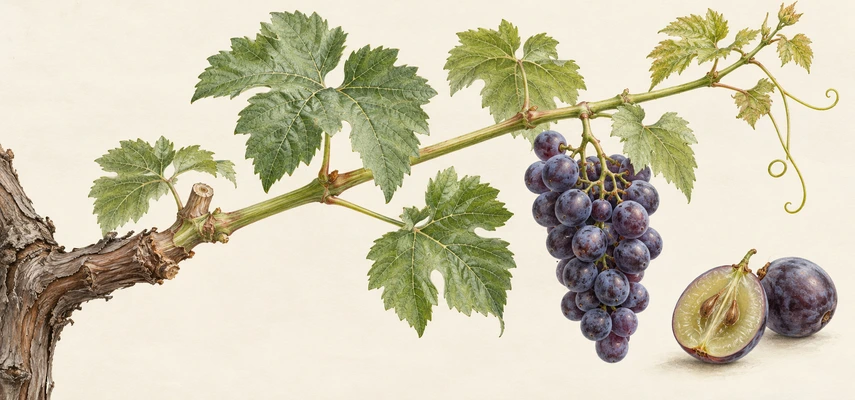
A grapevine can lose most of its visible growth in winter pruning and return with a crop the following summer. What survives, and where does the n
Continue ReadingTennessee and Rye Whiskey Explained: Production Rules and Style Differences
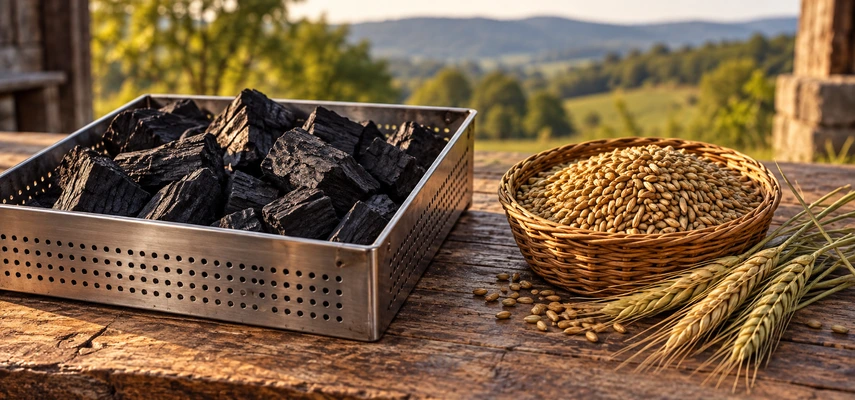
A Tennessee whiskey and an American rye can share a barrel type while telling very different grain stories. The first belongs to a corn-led tradit
Continue ReadingThe WSET Level 4 Diploma in Wines Explained: Six Units, Assessment, and Advanced Study
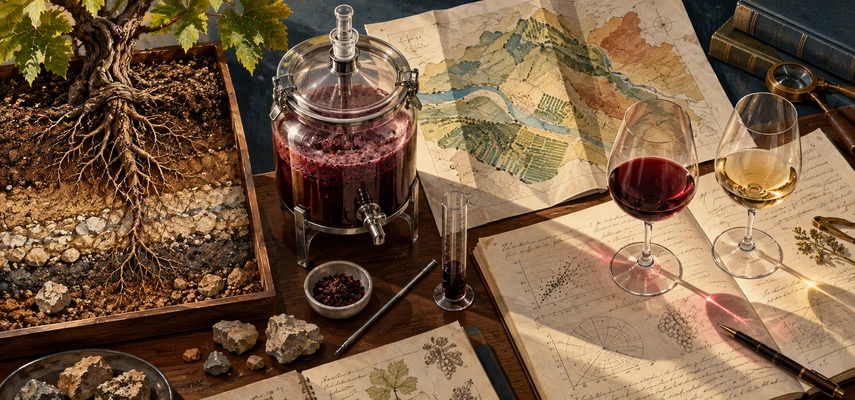
Why can two wines made from the same grape taste so different, and sit several shelves apart in price? The WSET Level 4 Diploma in Wines turns tha
Continue ReadingBourbon Explained: Mash Bills, Yeast, New Oak, and American Whiskey Labels
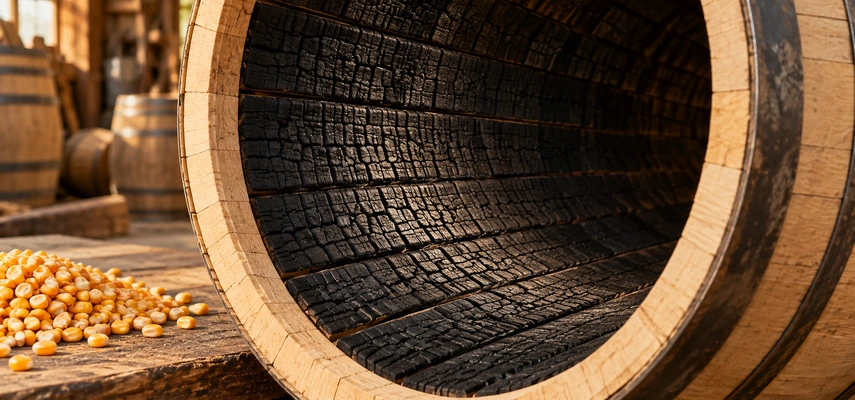
Bourbon has enough numbers on its label and in its production rules to look like a maths test in a bottle. The trick is to ask what each number me
Continue ReadingHow Whisky Is Made: Grains, Mashing, Fermentation, and Maturation
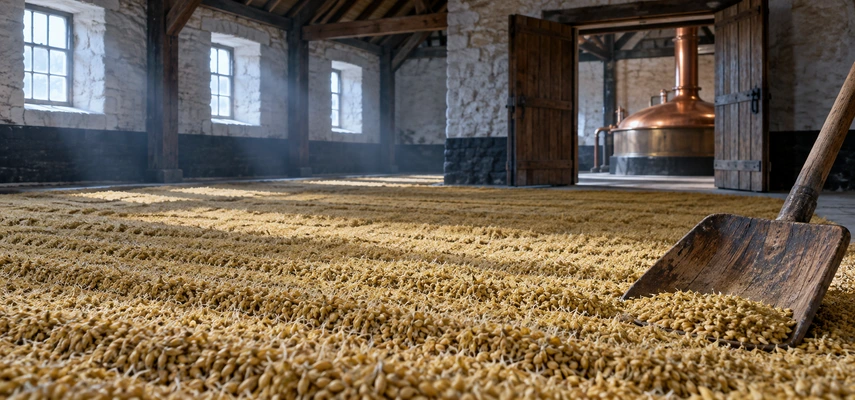
A grain of barley is a store cupboard, not a miniature bottle of whisky. Much of its useful carbohydrate is packed as starch, and yeast needs acce
Continue ReadingGrappa Explained: Grape Pomace, Distillation, and Italian Traditions
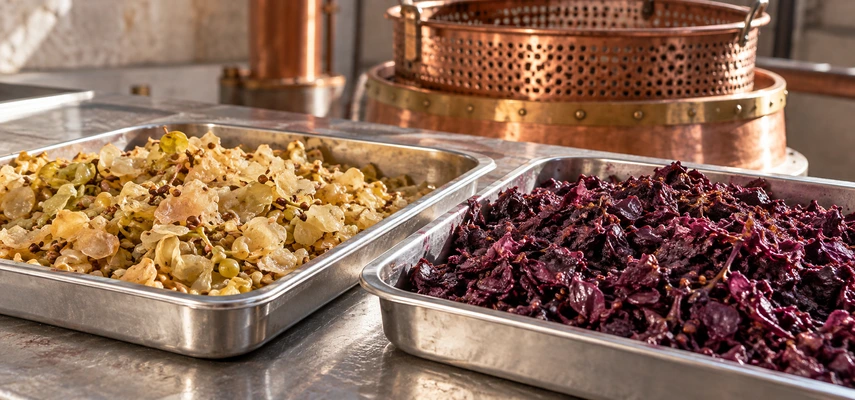
The most useful question about Grappa is not “which grapes?” but “which part of the winemaking process?” A wine spirit begins with the alc
Continue ReadingPisco Explained: How Chile and Peru Produce Grape Spirits
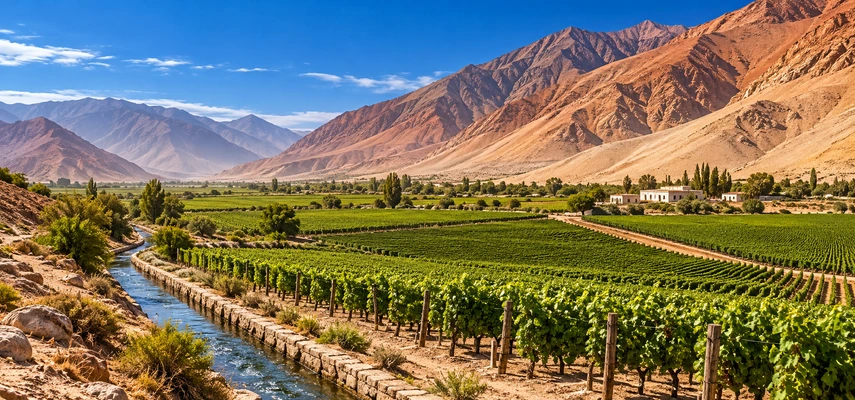
A clear grape spirit can be remarkably expressive without acquiring vanilla or toast from a barrel. That is one reason Pisco deserves its own less
Continue ReadingCalvados Explained: How Apples and Pears Become French Brandy
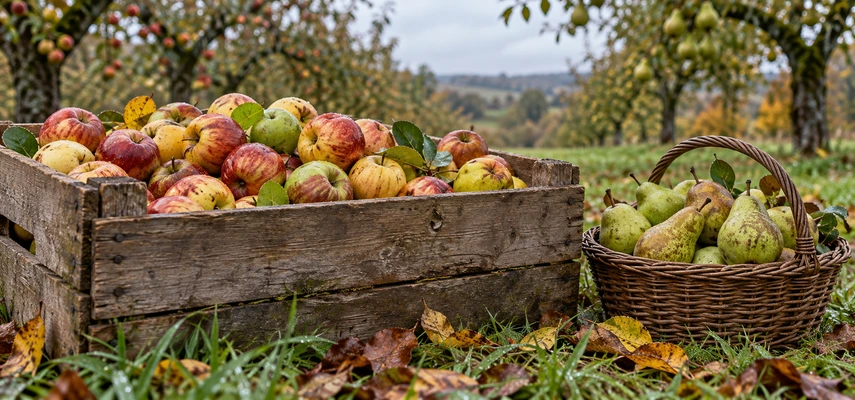
If Calvados were simply apple flavour added to alcohol, its orchard wouldn't need to produce the right fruit for a fermented cider. The order matt
Continue ReadingArmagnac Explained: Grapes, Column Distillation, and Regional Styles
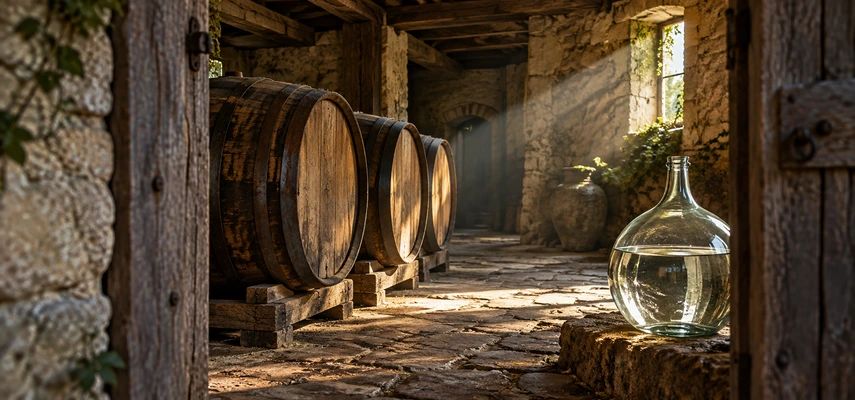
Armagnac is an excellent antidote to the idea that a column still must make a neutral spirit. Its traditional short continuous still can deliver a
Continue ReadingCognac Explained: Ugni Blanc, Crus, Distillation, and Age Classifications
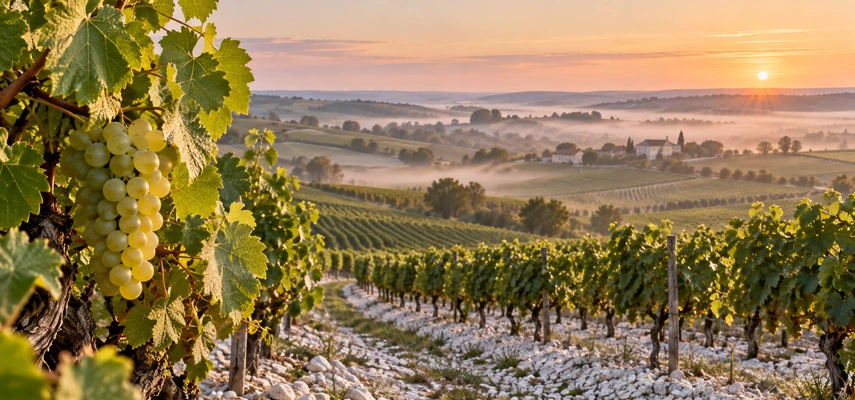
“Champagne” on a Cognac label can confuse an otherwise sensible reader. It does not mean the spirit began as the sparkling wine from northeast
Continue Reading









