










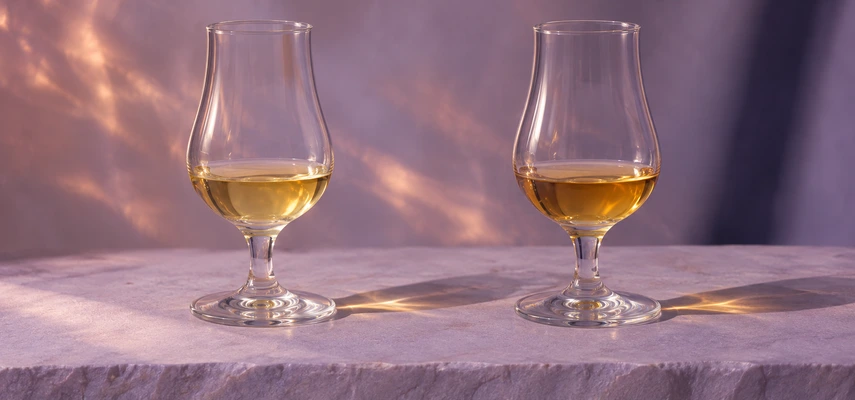
Cognac vs. Armagnac is often presented as a choice between elegance and rustic power. That is memorable, but it explains very little. An elegant A
Continue ReadingArmagnac Explained: Grapes, Column Distillation, and Regional Styles
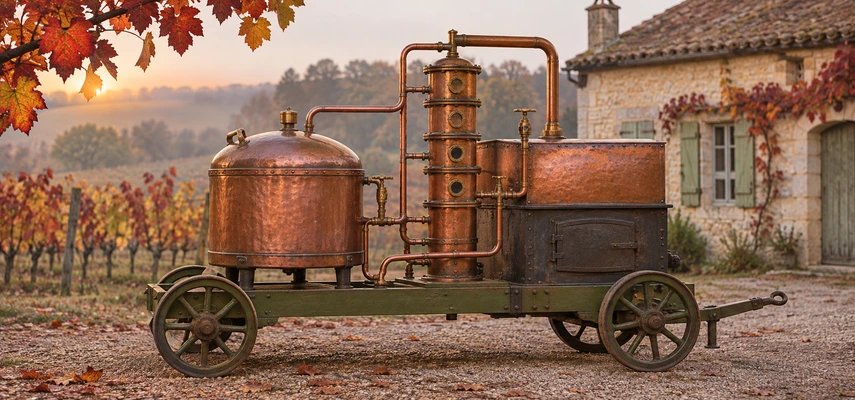
Armagnac is a good antidote to the idea that a column still must make flavorless spirit. Its familiar continuous apparatus is compact, comparative
Continue ReadingCognac Classifications Explained: Crus, Age Statements, and Blending
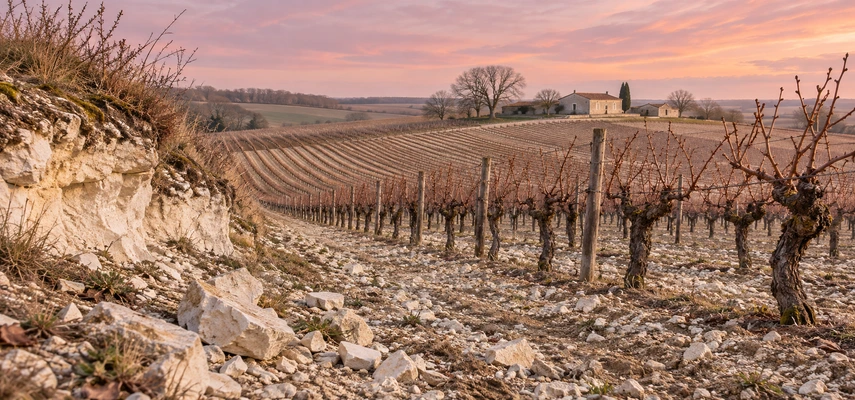
A label reading “Cognac Fine Champagne VSOP” gives you three different pieces of information. Cognac identifies the protected spirit. Fine Cha
Continue ReadingCognac Explained: Grapes, Double Distillation, Oak, and Quality
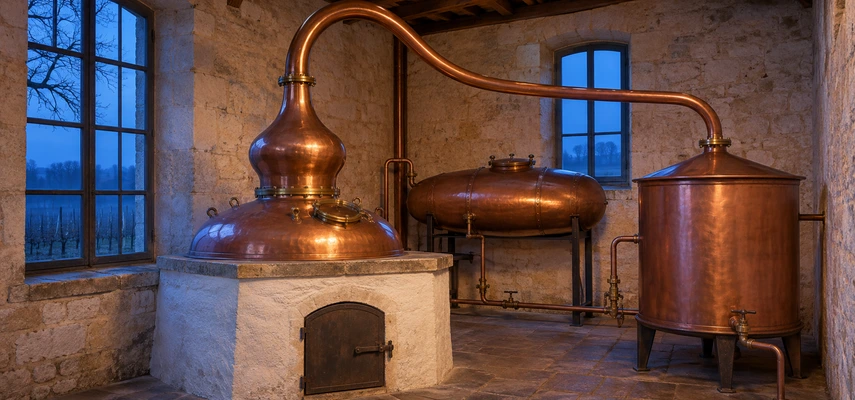
Cognac starts with a wine you might never choose for dinner. That is part of the point. Its grapes and winemaking serve a later process: two disti
Continue ReadingHow Fruit Spirits Are Made: Grapes, Wine, Pomace, and Fermentation
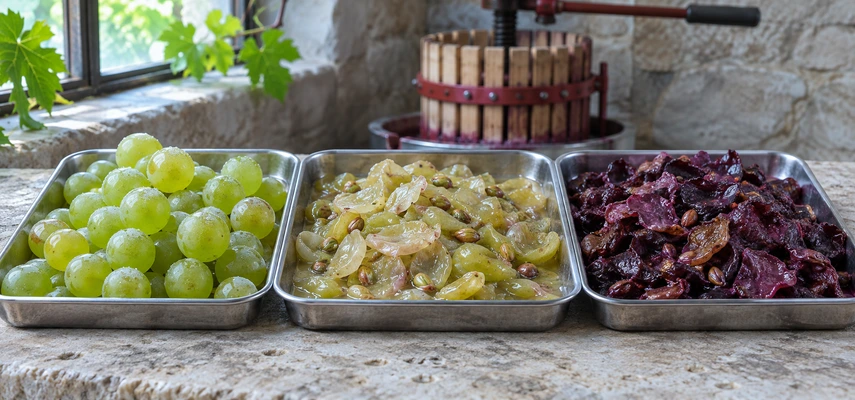
Fruit spirits begin with an advantage over grain spirits: fresh fruit already contains sugars that yeast can use. There is no general need to conv
Continue ReadingPisco Explained: How Chile and Peru Produce Grape Spirits
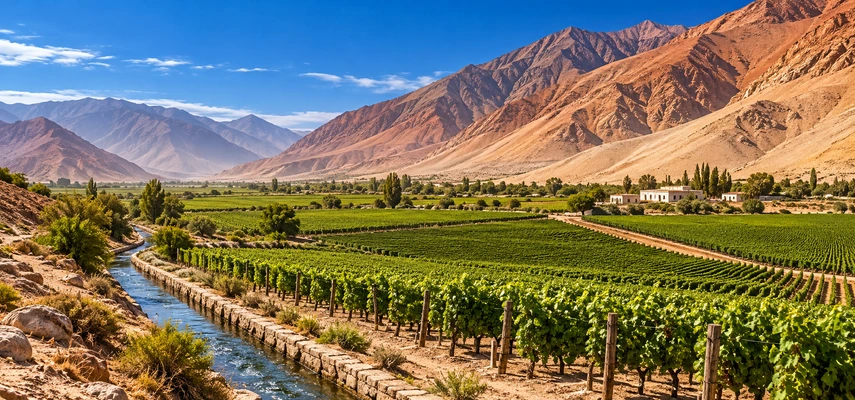
A clear grape spirit can be remarkably expressive without acquiring vanilla or toast from a barrel. That is one reason Pisco deserves its own less
Continue ReadingArmagnac Explained: Grapes, Column Distillation, and Regional Styles
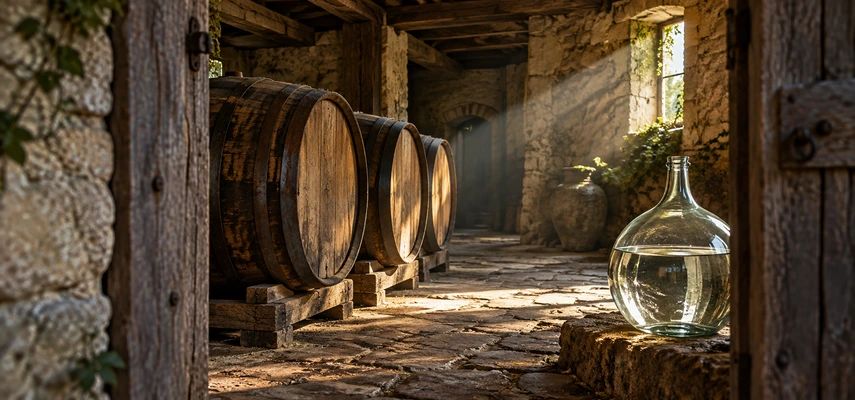
Armagnac is an excellent antidote to the idea that a column still must make a neutral spirit. Its traditional short continuous still can deliver a
Continue ReadingCognac Explained: Ugni Blanc, Crus, Distillation, and Age Classifications
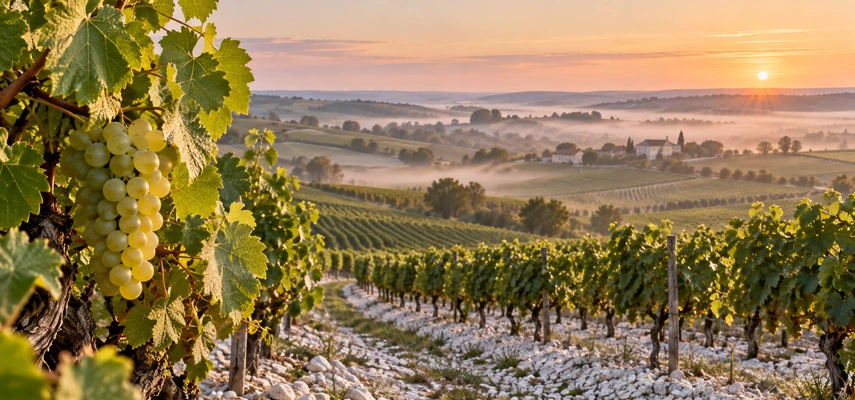
“Champagne” on a Cognac label can confuse an otherwise sensible reader. It does not mean the spirit began as the sparkling wine from northeast
Continue ReadingCognac Explained: Grapes, Double Distillation, and VS, VSOP, and XO
A bottle marked XO can contain spirit older than ten years. A bottle marked VSOP can contain spirit older than four. The letters aren’t misleadi
Continue Reading









