











A revision fact becomes much easier to retrieve when it answers a question. Why does grain need conversion? Why can a column make characterful rum
Continue ReadingThe Four Cocktail Families Explained: Spirit-Forward, Short Sour, Highball, and Long Sour
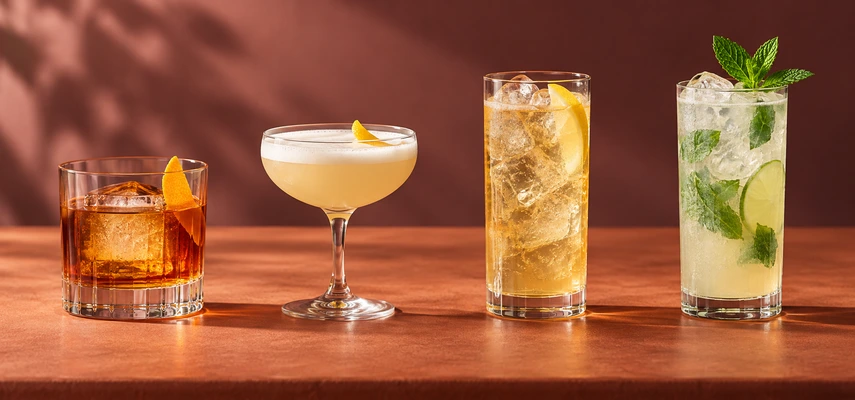
A Martini and a Negroni do not taste alike, yet they occupy the same family in the Level 1 framework. A Greyhound contains grapefruit juice but si
Continue ReadingHow to Balance a Cocktail: Strong vs. Weak, Sweet vs. Sour and Bitter
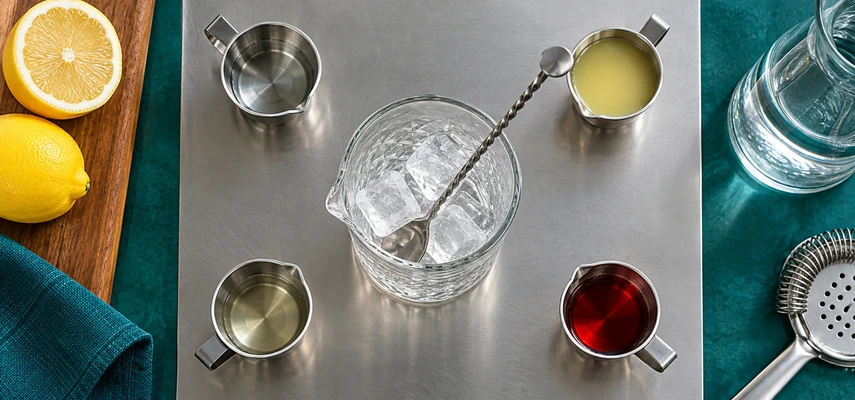
A cocktail can contain all the right ingredients and still feel wrong. The spirit may dominate, the citrus may pull too sharply, or a bitter compo
Continue ReadingLiqueurs and Vermouth Explained: Sweetness, Flavorings, and Aromatised Wines
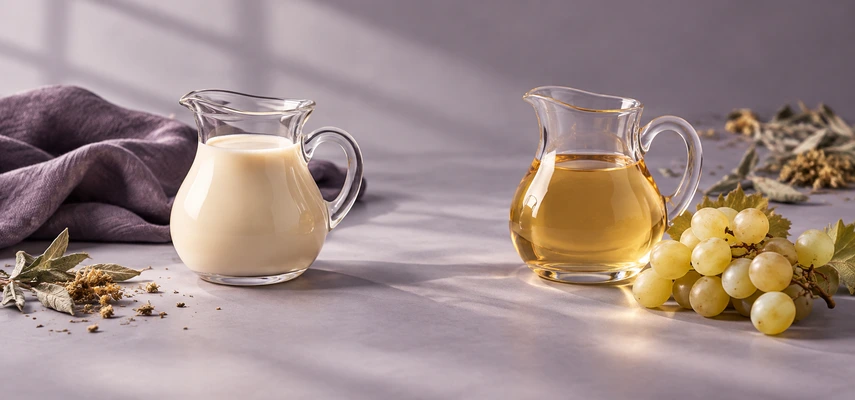
An orange liqueur and a sweet vermouth can both add sweetness and aroma to a cocktail. That shared job does not make them the same kind of beverag
Continue ReadingFlavored Spirits and Bitters Explained: Flavored Vodka, Spiced Rum, and Bitter Spirits
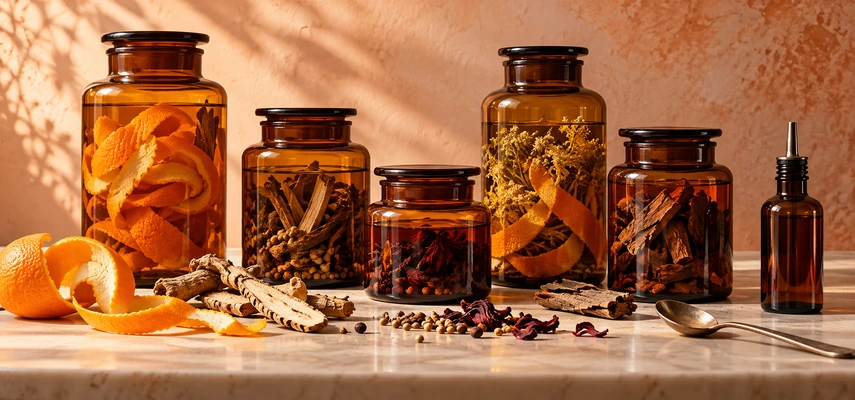
A few dashes from a small bitters bottle and a measured portion of a bitter spirit can both change a cocktail. Swapping one for the other in equal
Continue ReadingGin Explained: Juniper, Botanicals, and London Dry Gin
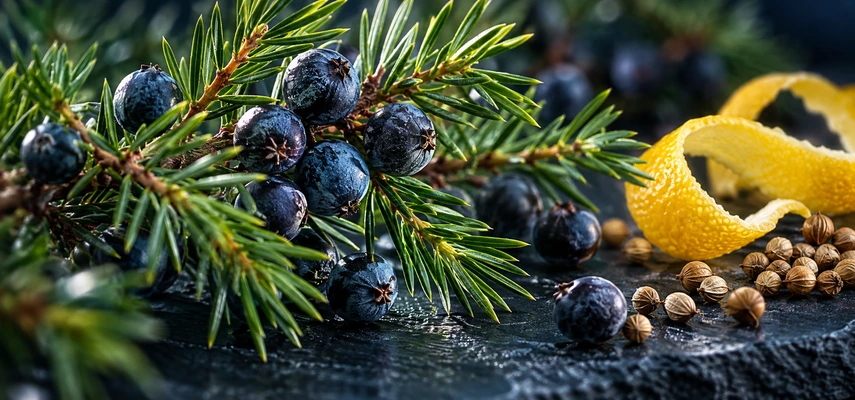
Gin can smell of pine, citrus, flowers, spice or a combination that sends a description wandering around the garden. Yet its definition has a clea
Continue ReadingTequila Explained: Blue Agave, Production, and Ageing Categories
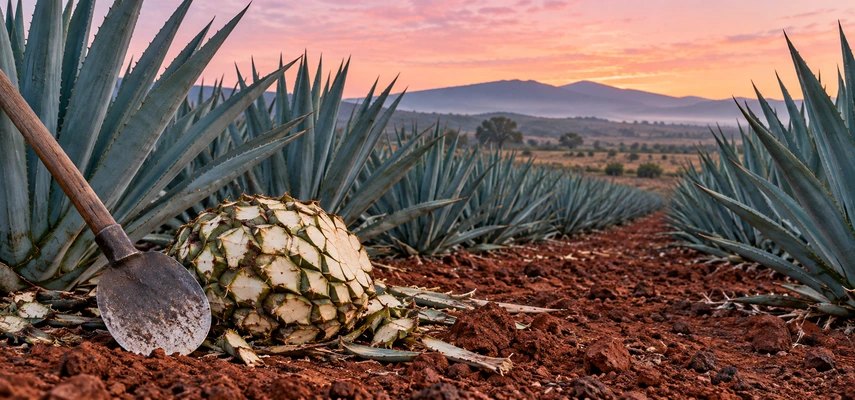
A label can say “100% agave” and “reposado” without repeating itself. The first tells you about the source of the fermentation sugars. The
Continue ReadingRum Explained: Sugar Cane, Molasses, Distillation, and Caribbean Styles
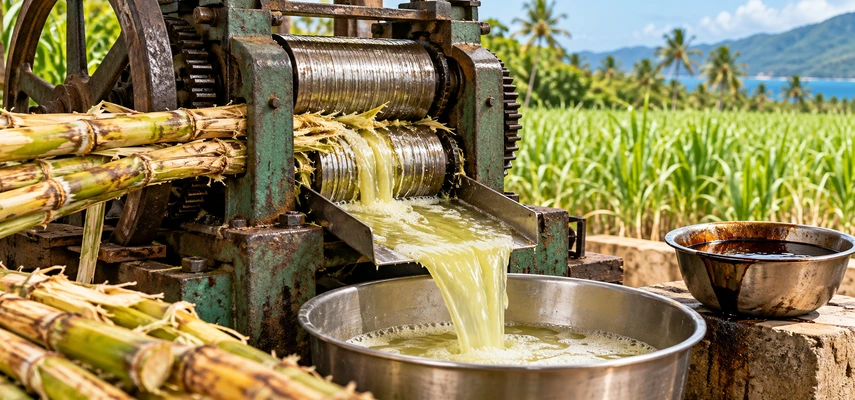
The word rum can lead to a grassy cane-juice spirit, a light mixer or a deeply aromatic oak-aged drink. Those differences aren’t evidence that t
Continue ReadingTennessee, Rye, and Other Whiskies Explained: From America to Ireland, Canada, and Japan
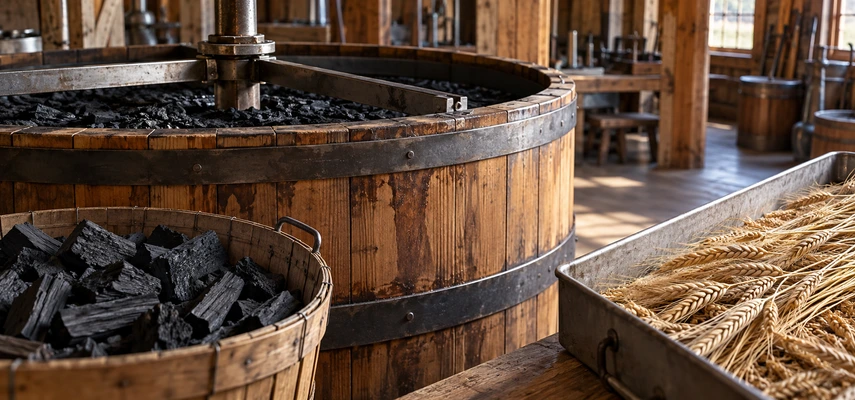
A Tennessee whiskey and an American rye can sit beside each other on a shelf, share an amber colour and smell of oak. Yet the names point to diffe
Continue ReadingBourbon Explained: Corn, New Charred Oak, and American Whiskey
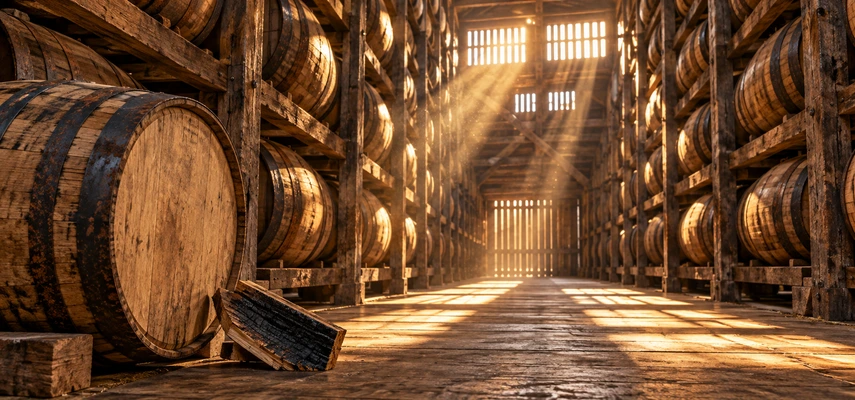
Bourbon can be made outside Kentucky. It can also smell of vanilla and caramel without either being added as flavouring. Those two facts make a us
Continue Reading









