










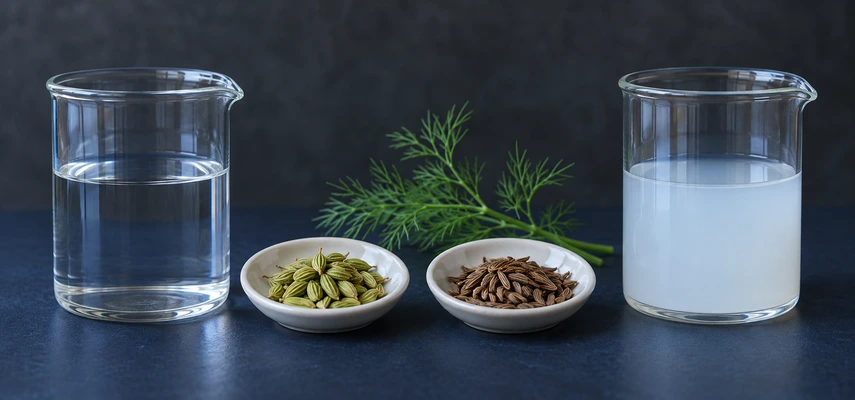
Aniseed spirits can announce themselves before the glass reaches your nose. Their distinctive aromatic family appears in drinks as different as ou
Continue ReadingAmaro and Cocktail Bitters Explained: Gentian, Quinine, and Bitter Spirits
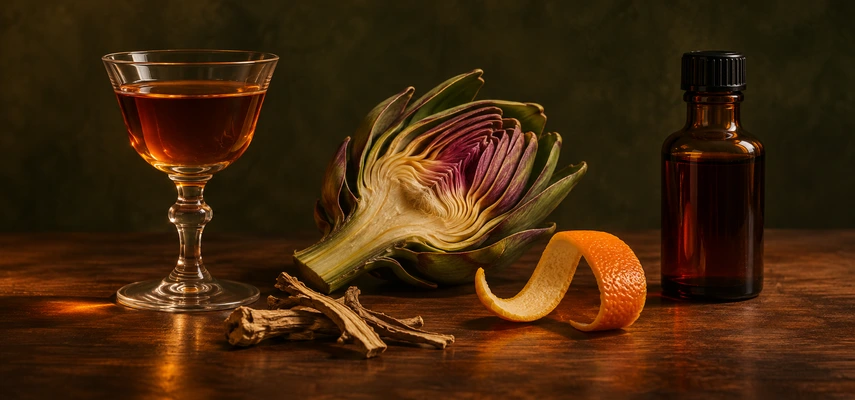
Amaro and cocktail bitters can both be brown, herbal and bitter, yet a recipe may call for a full measure of one and only a few dashes of the othe
Continue ReadingGin Explained: Juniper, Botanicals, London Dry, Distilled Gin, and Old Tom
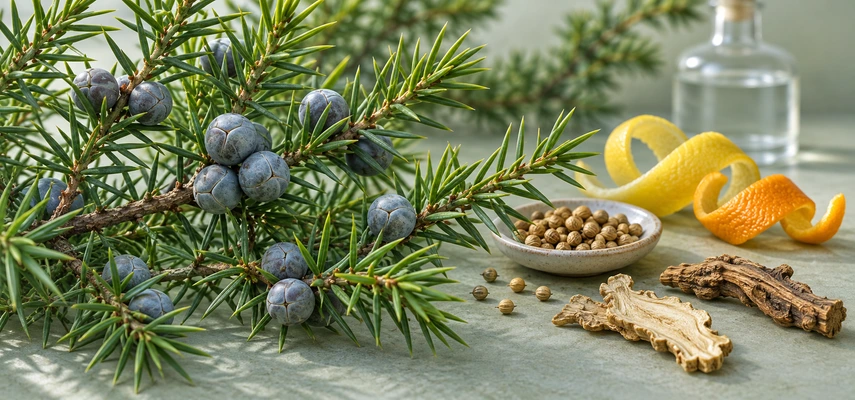
A gin can be made far from London and still qualify as London Dry. Another can smell strongly of citrus yet remain firmly juniper-led. These detai
Continue ReadingHow Botanicals Flavor Spirits: Maceration, Percolation, and Redistillation
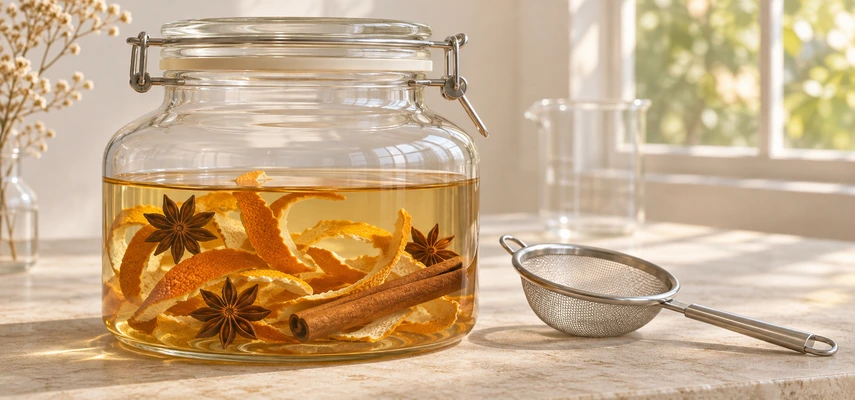
A botanical recipe is only half a production story. Orange peel soaked in spirit, exposed to moving solvent or included in a distillation does not
Continue ReadingGin Explained: Juniper, Botanicals, Distillation, and Quality
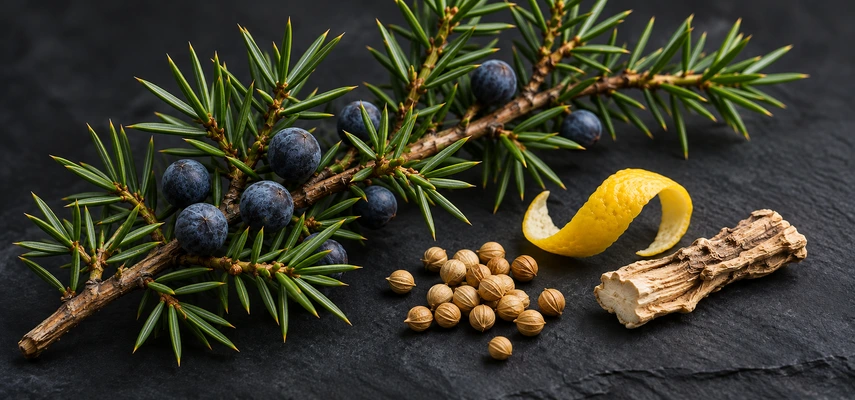
Gin is a useful lesson in recipe design. Juniper must remain central, but it does not work alone. Citrus, seeds, roots, flowers and other botanica
Continue ReadingGin Explained: Juniper, Botanicals, and London Dry Gin
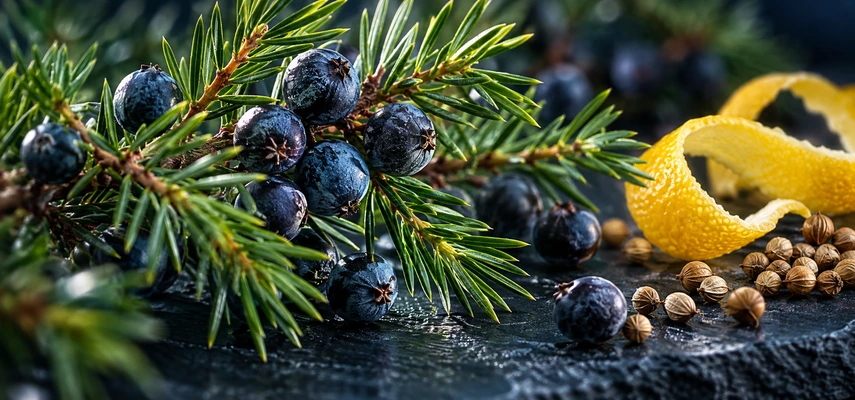
Gin can smell of pine, citrus, flowers, spice or a combination that sends a description wandering around the garden. Yet its definition has a clea
Continue ReadingHow Spirits Get Their Flavor: Oak Ageing, Blending, Sweetening, and Botanicals
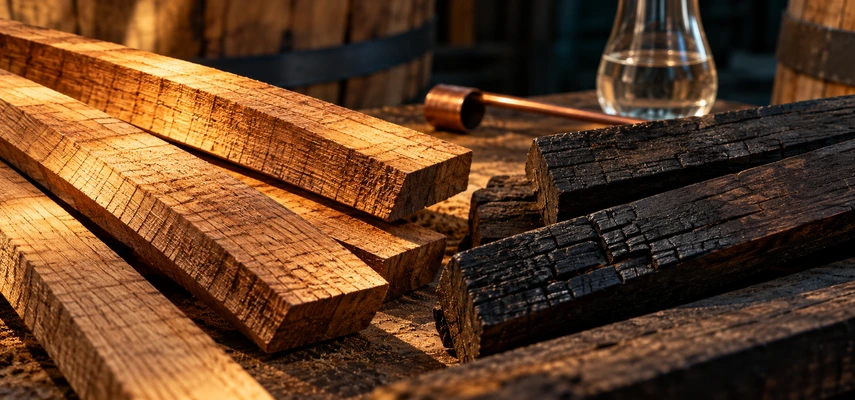
A newly distilled spirit can be colourless and already full of aroma. Years later, another spirit may be amber, vanilla-scented and quite differen
Continue Reading








