










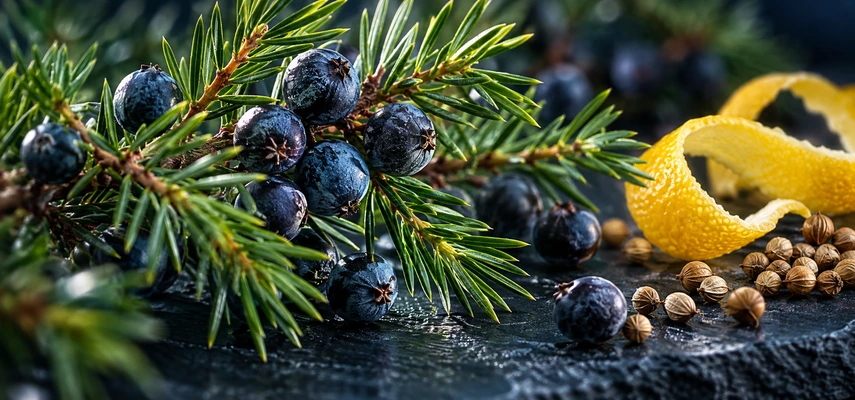
Gin can smell of pine, citrus, flowers, spice or a combination that sends a description wandering around the garden. Yet its definition has a clea
Continue ReadingTequila Explained: Blue Agave, Production, and Ageing Categories
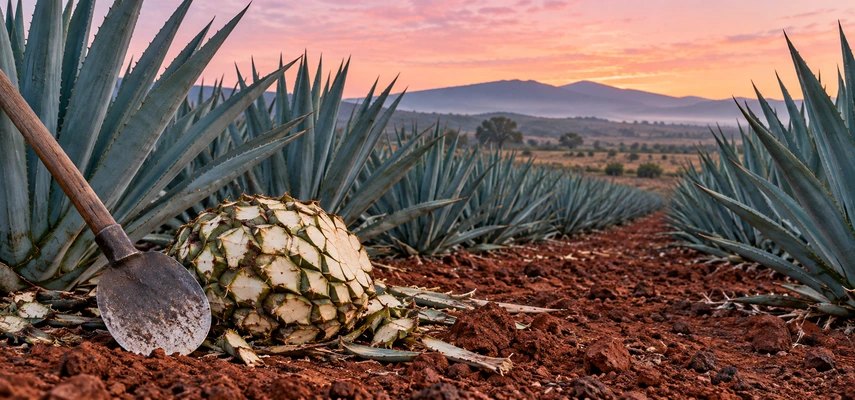
A label can say “100% agave” and “reposado” without repeating itself. The first tells you about the source of the fermentation sugars. The
Continue ReadingRum Explained: Sugar Cane, Molasses, Distillation, and Caribbean Styles
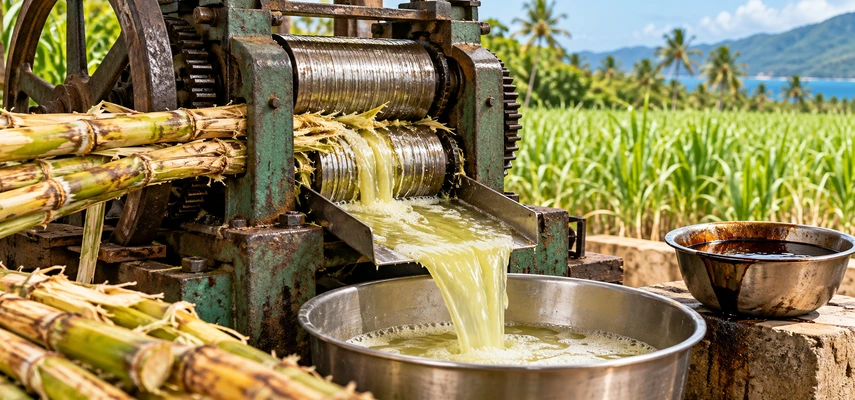
The word rum can lead to a grassy cane-juice spirit, a light mixer or a deeply aromatic oak-aged drink. Those differences aren’t evidence that t
Continue ReadingTennessee, Rye, and Other Whiskies Explained: From America to Ireland, Canada, and Japan
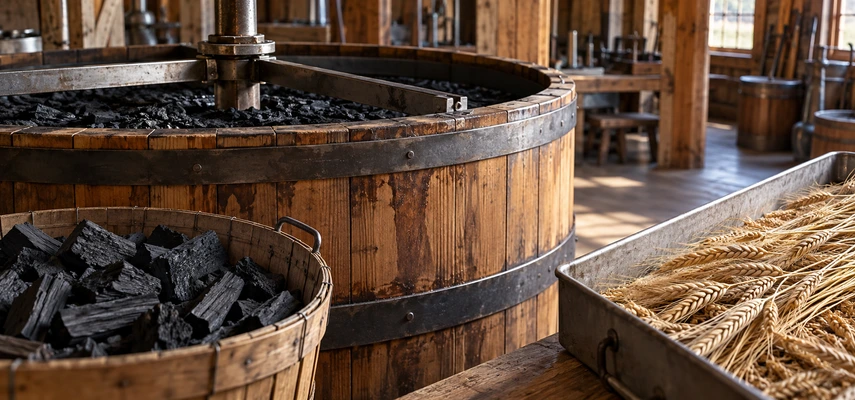
A Tennessee whiskey and an American rye can sit beside each other on a shelf, share an amber colour and smell of oak. Yet the names point to diffe
Continue ReadingBourbon Explained: Corn, New Charred Oak, and American Whiskey
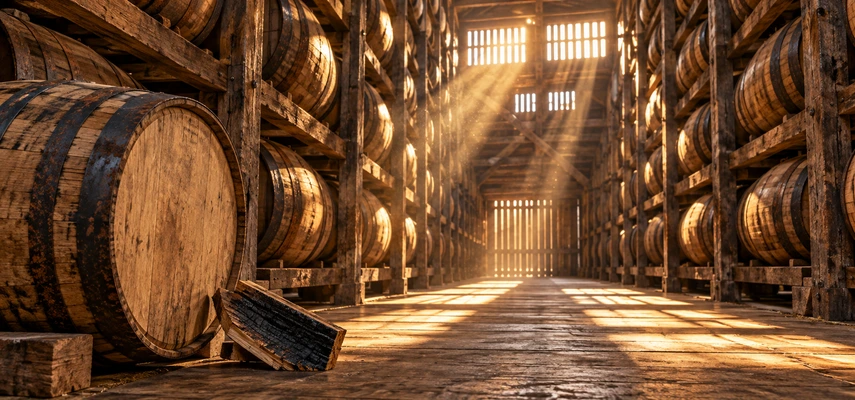
Bourbon can be made outside Kentucky. It can also smell of vanilla and caramel without either being added as flavouring. Those two facts make a us
Continue ReadingScotch Whisky Explained: Single Malt vs. Blended Scotch
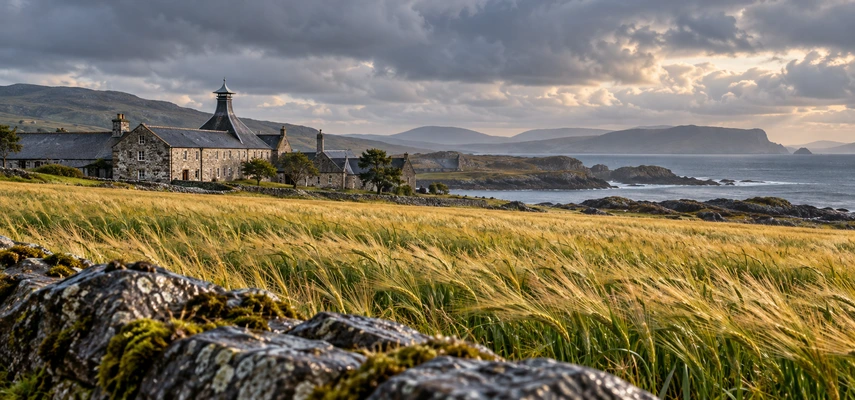
“Single malt” sounds as though it ought to mean one barrel, one batch, or perhaps one particularly distinguished grain. It means none of those
Continue ReadingVodka Explained: Raw Materials, Neutral Spirits, and Flavor
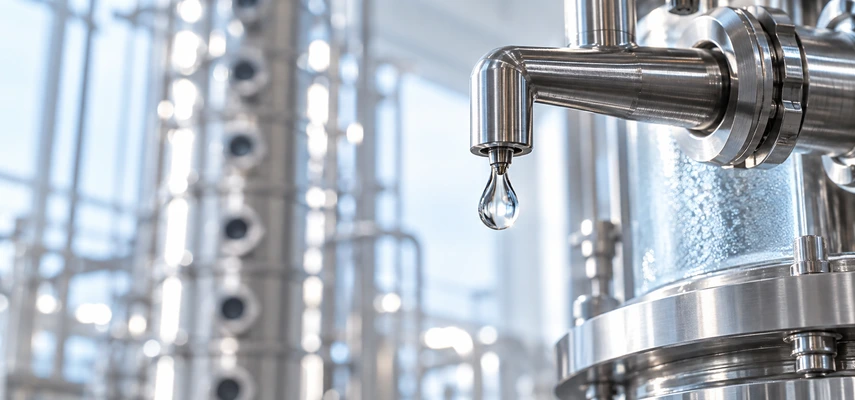
If vodka is associated with neutrality, why do labels spend so much time talking about grain, potato and the number of distillations? The question
Continue ReadingCognac Explained: Grapes, Double Distillation, and VS, VSOP, and XO
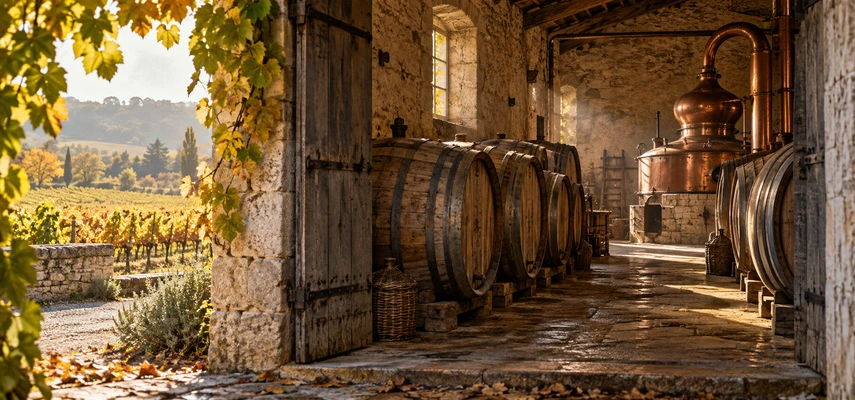
A bottle marked XO can contain spirit older than ten years. A bottle marked VSOP can contain spirit older than four. The letters aren’t misleadi
Continue ReadingHow Spirits Get Their Flavor: Oak Ageing, Blending, Sweetening, and Botanicals
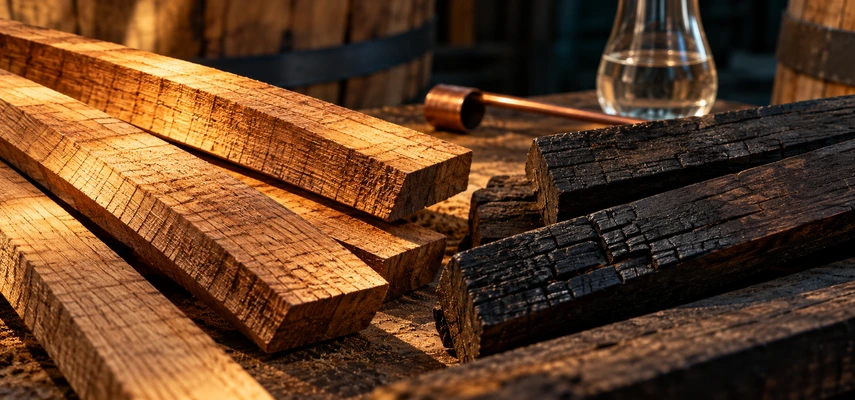
A newly distilled spirit can be colourless and already full of aroma. Years later, another spirit may be amber, vanilla-scented and quite differen
Continue ReadingPot Stills vs. Column Stills: How Distillation Works
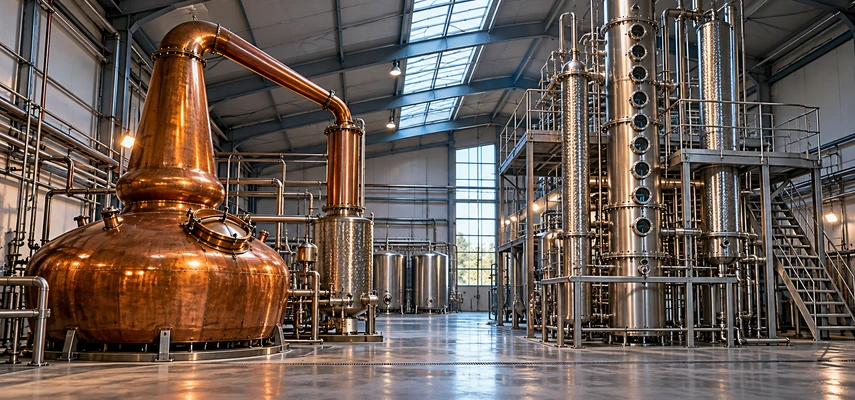
A copper pot still looks rather like a large kettle with architectural ambitions. A column still can look like part of a refinery. It’s tempting
Continue Reading









