










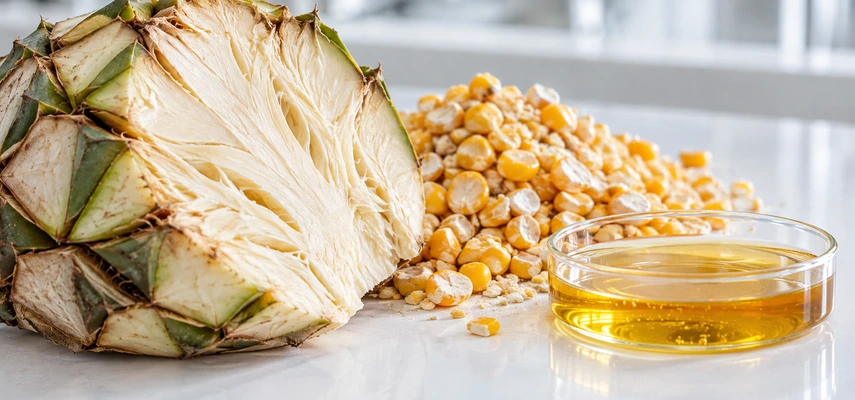
A grape, a corn kernel and an agave heart can all become the starting point for a spirit. Put the same yeast into each, however, and you haven't g
Continue ReadingHow to Think Like a WSET Level 3 Spirits Student: Explaining Style, Quality, and Production
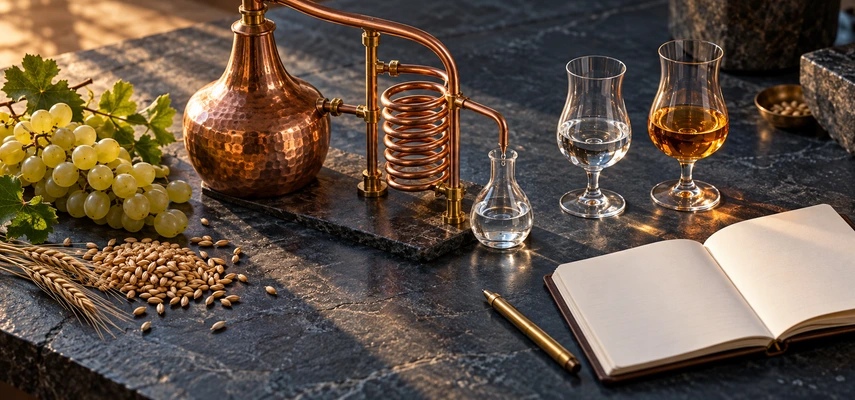
Put a clear gin beside an amber malt whisky. One may smell of juniper and citrus; the other might suggest cereal, fruit and vanilla. Both contain
Continue ReadingTequila Explained: Blue Agave, Jalisco, Production, and Ageing Labels
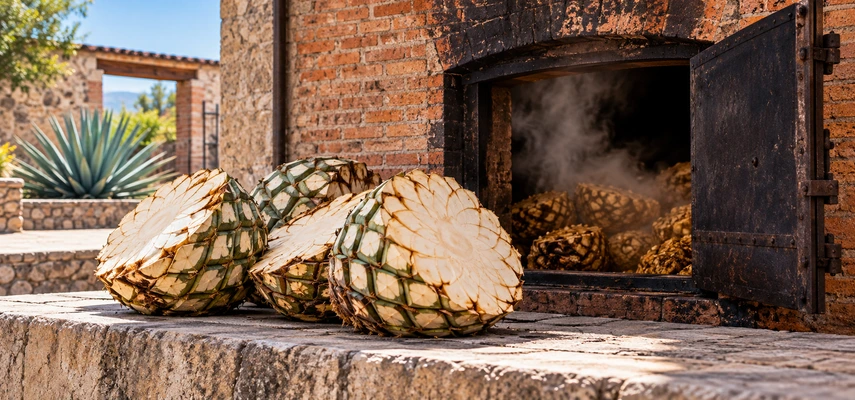
Tequila production begins with a plant whose useful reserves are stored in a heart, not a barrel of ready-made juice. Blue agave needs preparation
Continue ReadingCachaça Explained: Brazil’s Distinctive Sugar Cane Spirit
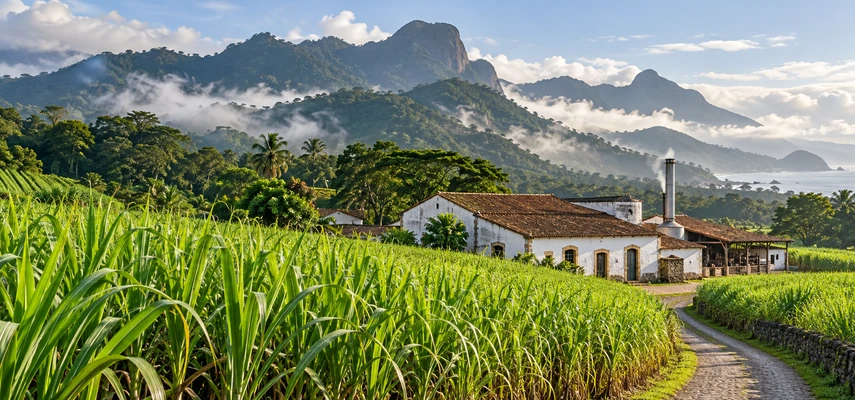
Cachaça is often introduced as the spirit in a Caipirinha, which is rather like introducing a musician only through their best-known chorus. The
Continue ReadingRum Regions Explained: The Caribbean, Central America, and South America
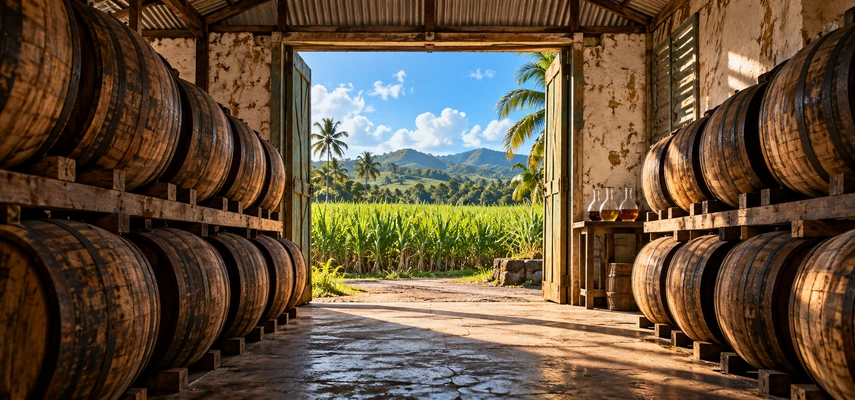
Rum regions are useful when a place name leads to a production question. Martinique might prompt you to ask about fresh cane juice. Jamaica might
Continue ReadingHow Rum Is Made: Sugar Cane, Molasses, Fermentation, and Distillation
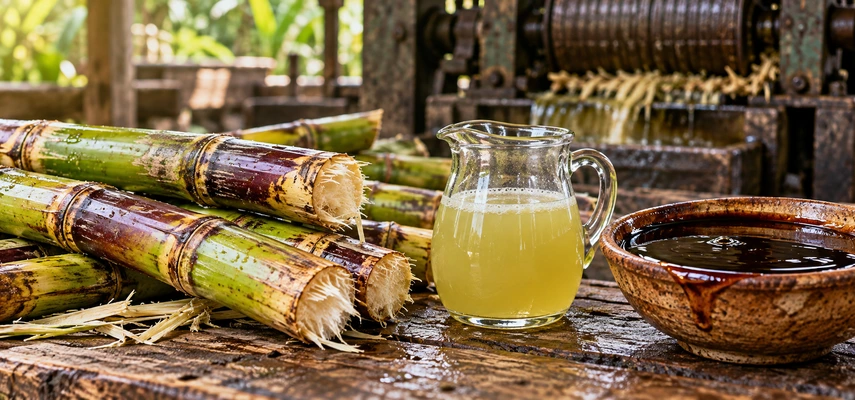
Learning how rum is made is a useful cure for judging a spirit by colour alone. A pale bottle may contain wood-aged rum that has been filtered. A
Continue ReadingIrish, Canadian, and Japanese Whisky Explained: Different Production Traditions
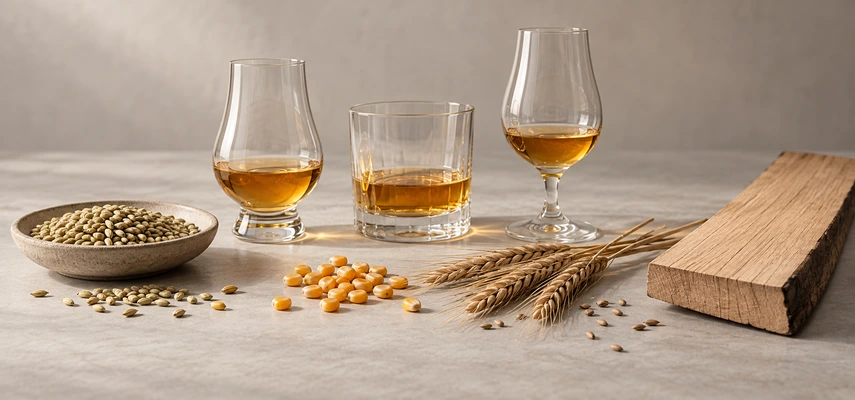
Irish Canadian and Japanese whisky make an excellent test of whether a production rule really travels. A term familiar from an American label may
Continue ReadingBlended and Grain Scotch Whisky Explained: Production, Labels, and Scotland’s Regions

A bottle can say “single grain” even though its recipe involves more than one cereal. Another can say “blended malt” without containing an
Continue ReadingSingle Malt Scotch Whisky Explained: Distilleries, Peat, Pot Stills, and Oak
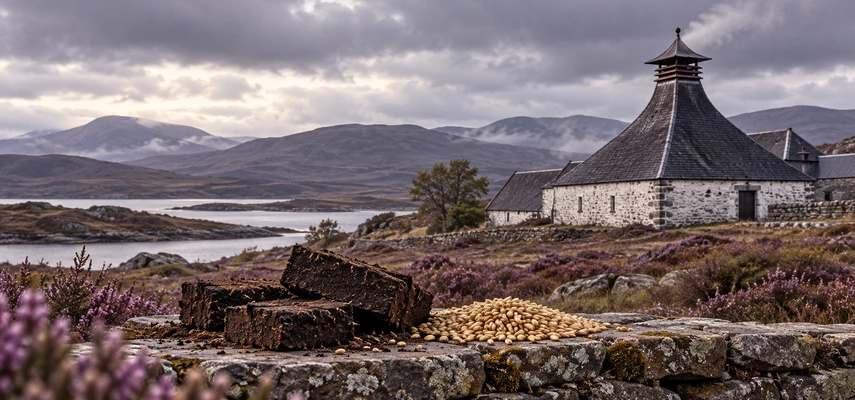
“Single” is doing less work on a whisky label than many readers expect. Single malt Scotch whisky can combine numerous casks, different matura
Continue ReadingTennessee and Rye Whiskey Explained: Production Rules and Style Differences
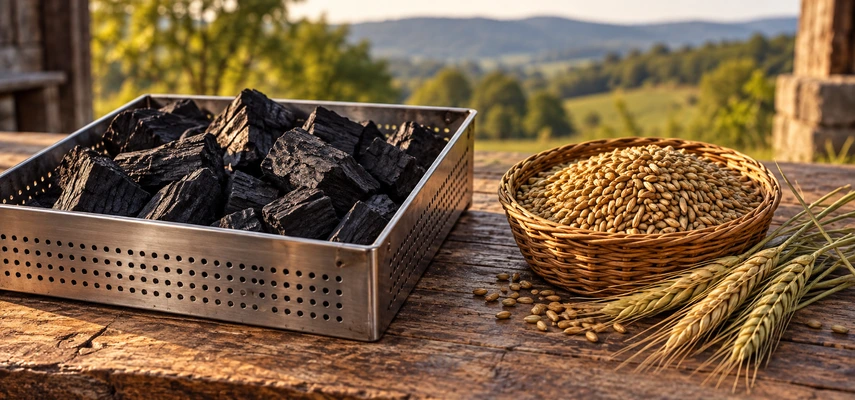
A Tennessee whiskey and an American rye can share a barrel type while telling very different grain stories. The first belongs to a corn-led tradit
Continue Reading









