










A spirit can leave its last cask with a compelling aroma and still face a long list of decisions before it reaches a shelf. Spirits finishing incl
Continue ReadingOak Maturation Explained: Barrels, Oxygen, Evaporation, and Flavor Development
Two spirits spend the same number of years in wood and emerge with very different personalities. One has vivid fruit framed by gentle spice; the o
Continue ReadingHow Distillers Manage Flavor: Sulfur, Esterification, Pressure, and Distillation Choices
If distillation only separated compounds, managing aroma would already be complicated. But a heated still can also provide conditions for chemical
Continue ReadingColumn and Hybrid Stills Explained: Plates, Reflux, and Continuous Distillation
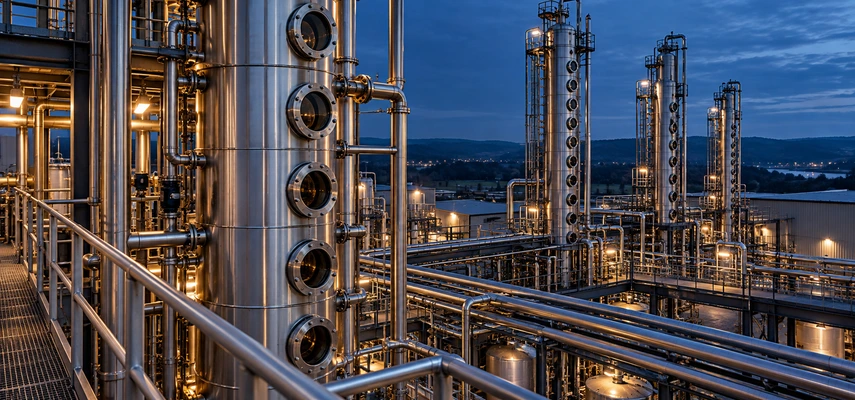
Look at a tall column beside a squat pot still and it's tempting to describe the difference as plumbing with extra floors. But column and hybrid s
Continue ReadingPot Still Distillation Explained: Design, Heating, Cuts, and Flavor
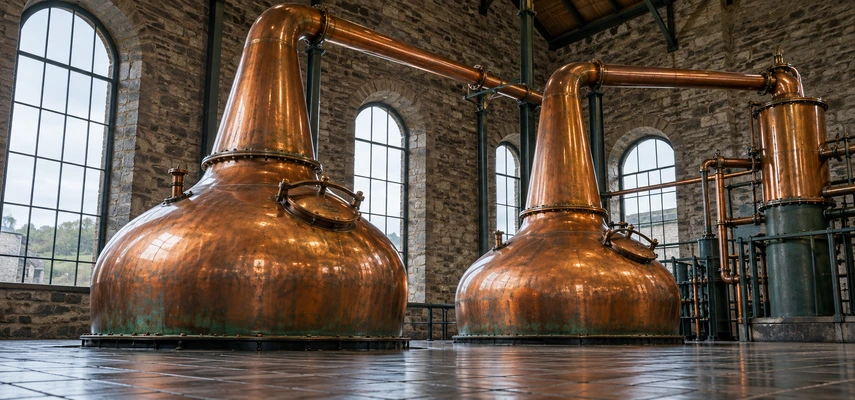
A pot still doesn't deliver one unchanging liquid from start to finish. Its charge changes as distillation proceeds, and the collected stream chan
Continue ReadingDistillation Science Explained: Volatility, Congeners, Reflux, and Rectification
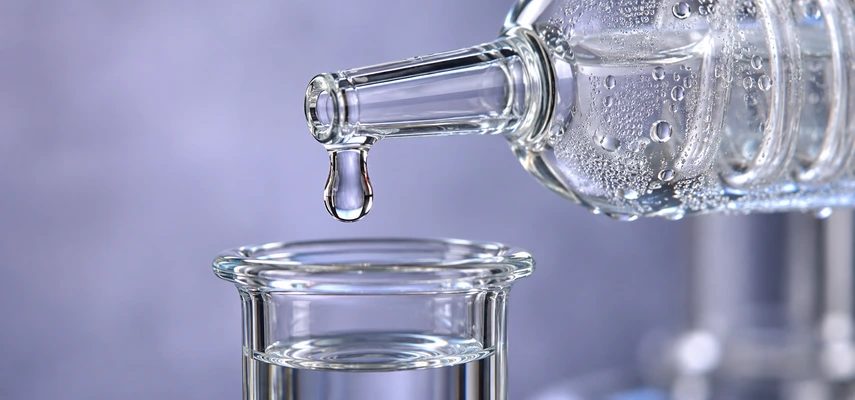
A still is often explained as a queue: heat the mixture, let the lowest-boiling ingredient leave first, then wait for the next one. It is a tidy s
Continue ReadingFermentation Methods Explained: Liquid, Solid-State, Sequential, and Parallel Fermentation
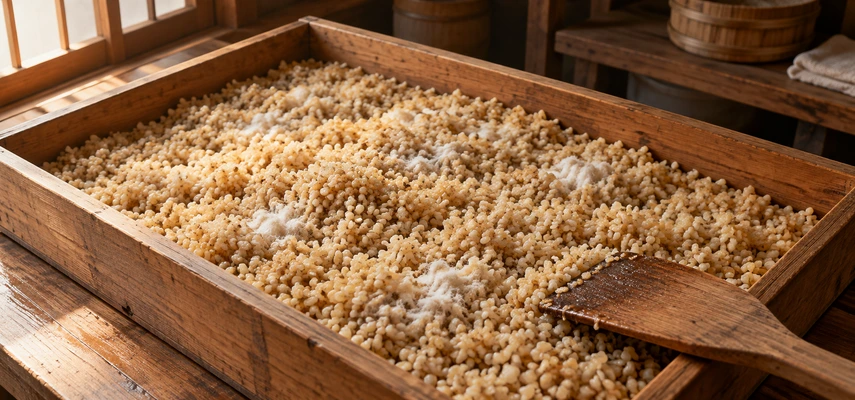
Two distillers can both say “we ferment grain” and be describing very different arrangements. One works with a free-flowing sugary liquid. Ano
Continue ReadingAlcoholic Fermentation Explained: Yeast, Nutrients, and Flavor Compounds
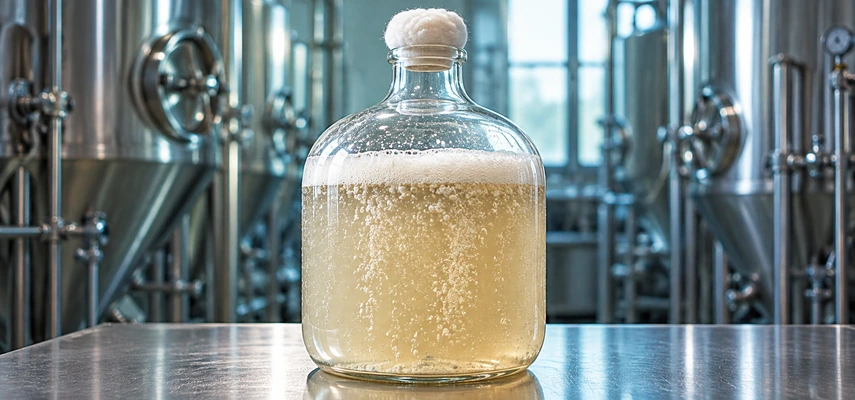
A fermentation tank can look wonderfully busy while telling you very little about the spirit it will eventually produce. Bubbles show gas escaping
Continue ReadingCarbohydrates Explained: How Sugar, Starch, and Fructans Become Fermentable
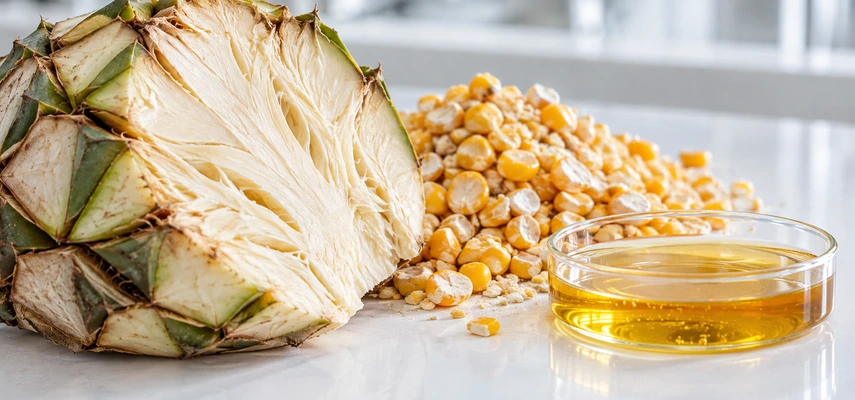
A grape, a corn kernel and an agave heart can all become the starting point for a spirit. Put the same yeast into each, however, and you haven't g
Continue ReadingHow to Think Like a WSET Level 3 Spirits Student: Explaining Style, Quality, and Production
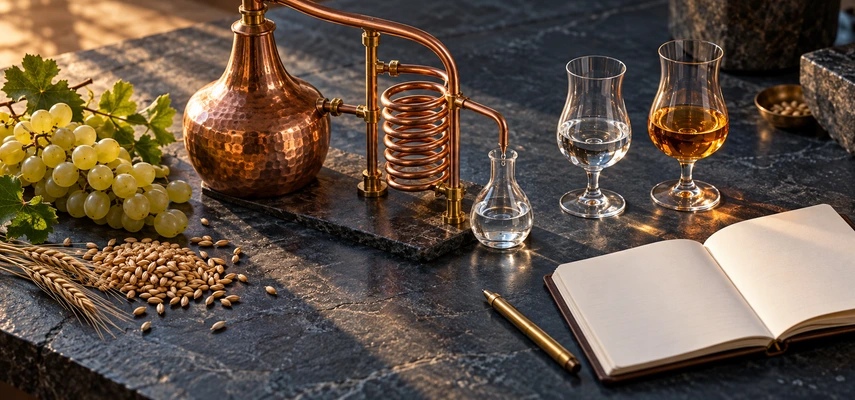
Put a clear gin beside an amber malt whisky. One may smell of juniper and citrus; the other might suggest cereal, fruit and vanilla. Both contain
Continue Reading








